How to identify plant diseases
“`html
Gardening and agriculture play crucial roles in our food production and landscaping, but one of the most significant threats to healthy plants is disease. Accurate and timely plant disease identification can mean the difference between a thriving garden and a dying one. Here’s an in-depth look at how to identify plant diseases effectively, so you can take proactive measures to protect your plants.
1. Understanding Plant Diseases
Before diving into identification techniques, it’s essential to grasp what plant diseases are and how they manifest. Plant diseases typically arise from pathogens such as bacteria, fungi, viruses, and nematodes. These pathogens invade plant tissues and disrupt normal physiological processes, leading to symptoms like wilting, discoloration, and abnormal growth patterns.
Recognizing a plant disease involves noting not just the visible symptoms but also understanding the underlying issues. For instance, while spots on leaves might suggest a fungal infection, they could also be a warning sign of environmental stress, such as nutrient deficiencies or poor drainage. Therefore, a holistic understanding of plant health is crucial for effective plant disease identification.
2. Key Symptoms of Plant Diseases
Identifying plant diseases starts with recognizing the symptoms. Here are some common indicators:
- Wilting: This can indicate root disease, overwatering, or nutrient deficiencies.
- Discoloration: Yellowing or browning leaves may reflect a disease, pest infestation, or nutrient imbalance.
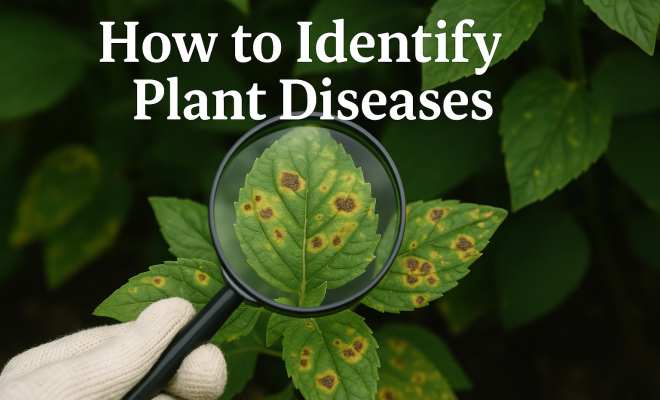
- Spots: Fungal diseases often present as leaf spots, while pests might cause discoloration around feeding sites.
- Growth Abnormalities: Stunted growth or unusual shapes can signal viral infections.
Being vigilant and observant about these symptoms can help gardeners and farmers intervene quickly. Regular checks of your plants allow you to catch issues before they escalate, making plant disease identification a proactive endeavor.
3. Using Tools for Diagnosis
In addition to visual inspections, tools can enhance your ability to identify plant diseases accurately. Here are several tools and technologies that can aid in diagnosis:
- Hand Lens: A simple magnifying glass can help examine small symptoms like pests or fungal spores.
- Smartphone Apps: Various apps can identify plant diseases using images you upload. They often leverage artificial intelligence to analyze symptoms.
- Soil Test Kits: These kits help assess soil health, which can influence plant resilience against diseases.
- Diagnostic Services: For serious cases, sending samples to a local agricultural extension office can provide expert analysis.
Combining these technological advances with traditional observation skills can significantly improve your plant disease identification process.
4. Common Plant Diseases and Their Identification
Understanding specific plant diseases assists in faster diagnosis. Here are some common plant diseases and their hallmark symptoms:
- Powdery Mildew: This fungal disease appears as white powdery spots on leaves and stems, often thriving in dry conditions.
- Root Rot: Caused by overwatering or poor drainage, it leads to wilting and brown, mushy roots.
- Blight: This disease can cause rapid leaf and stem deterioration, often resulting in dark spots and premature leaf drop.
- Viral Infections: Symptoms include mottled leaves, stunted growth, and distorted plant shapes.
Learning to recognize these diseases can save you time and money, enhancing your gardening success through effective plant disease identification. (See: Understanding plant diseases and pathogens.)
5. Preventive Measures to Reduce Disease Risk
While identifying plant diseases is crucial, prevention is even more effective. Here are preventive strategies to keep diseases at bay:
- Crop Rotation: Changing the types of plants grown in a specific area can disrupt disease life cycles.
- Healthy Soil: Invest in soil health through organic matter and proper nutrient management to promote robust plants.
- Proper Watering Techniques: Watering at the base of plants instead of overhead can reduce fungal infections.
- Sanitation: Clean gardening tools and remove infected debris to prevent spreading pathogens.
Implementing these strategies not only helps with plant disease identification but also ensures that your plants remain healthy and less prone to disease.
6. Treating Plant Diseases: Effective Strategies
Once you’ve identified a plant disease, the next step is treatment. Different diseases require different approaches:
- Fungicides: For fungal infections, these can be effective when applied early, but they must be used according to guidelines to avoid resistance.
- Bactericides: For bacterial diseases, it’s crucial to apply them as soon as symptoms appear.
- Organic Solutions: Options like neem oil or baking soda can treat many fungal issues without harsh chemicals.
- Physical Removal: Sometimes, the best option is to remove and destroy infected plant parts to prevent the spread.
After treatment, monitor your plants regularly to ensure that the disease is under control and that no new symptoms appear, reinforcing the need for ongoing plant disease identification.
7. Emerging Technologies in Plant Disease Identification
The field of plant disease identification is rapidly evolving due to advances in technology. Innovations such as drone imaging and remote sensing are making it easier to monitor large agricultural fields for disease symptoms from above. These technologies can detect stress in plants that may indicate disease long before symptoms become visible to the naked eye.
Additionally, research is underway to develop biosensors that can identify pathogens at a molecular level. Once perfected, these tools could revolutionize plant disease identification, allowing for real-time monitoring and management, potentially saving crops from devastating losses.
Another remarkable development is the use of machine learning algorithms to analyze vast datasets of plant images. These algorithms can classify diseases with remarkable accuracy by learning from previously identified examples. This not only streamlines the identification process but also empowers farmers and gardeners to act quickly before severe damage occurs.
8. Importance of Education and Training
Educating yourself and your community about plant diseases is crucial for effective management. Workshops, online courses, and extension services provide great resources for learning about plant health management. Education not only empowers individuals to identify diseases but also fosters a community of informed gardeners and farmers who can share knowledge and resources.
Furthermore, collaboration with local agricultural extensions can offer tailored advice based on your region’s specific plant disease challenges, enhancing your plant disease identification efforts. Schools and universities can play a vital role in this education by incorporating plant science into their curriculum. Engaging students in hands-on gardening and plant health management can cultivate future generations of knowledgeable growers.
9. Common Misconceptions About Plant Diseases
Several misconceptions about plant diseases can lead to poor management practices. Here are a few: (See: Impact of plant diseases on health.)
- All Leaf Discoloration Means Disease: Not all discoloration indicates a disease; environmental factors can also cause similar symptoms. Always assess the overall plant health.
- Organic Solutions Are Always Safe: While organic treatments are often less harmful, they can still cause phytotoxicity if misapplied.
- Once a Plant is Diseased, It’s Doomed: Early detection and appropriate treatment can often save a plant, so don’t give up too quickly!
- Plant Diseases Are Only a Problem in Agricultural Settings: This is false; even home gardeners can face serious plant health issues. Urban gardening is on the rise, and many people grow plants in limited spaces, making disease management essential.
Understanding these misconceptions can help you make informed decisions about your plant care strategies, ultimately improving your plant disease identification process.
10. Examples of Successful Plant Disease Identification
Real-world examples can illustrate the importance of effective plant disease identification:
- Case Study: Tomato Fungal Infection – A farmer noticed wilting and yellowing leaves on their tomato plants. Using a smartphone app, they were able to identify the early signs of a fungal infection. By applying fungicides and adjusting their watering strategy, they saved their crop.
- Urban Garden Success – A community garden implemented regular workshops on plant health. With proper education, gardeners learned to identify early signs of blight on squash plants, allowing them to take preventive measures that significantly reduced disease spread.
- University Research Project: A university horticulture program engaged students in monitoring a local orchard. By using both traditional and modern diagnostic methods, they identified a previously unnoticed apple scab outbreak, allowing for timely interventions that saved much of the crop.
These examples show that timely identification and action can prevent loss and promote healthy plant growth.
11. Statistics on Plant Disease Impact
Understanding the impact of plant diseases at a broader scale can underscore the importance of identification and management:
- According to the Food and Agriculture Organization (FAO), plant diseases can result in the loss of up to 30% of crop yields globally.
- A study by the American Phytopathological Society indicates that the economic impact of plant diseases in the United States alone runs into the billions annually, affecting food security nationwide.
- Research shows that 1 in 5 plants may be affected by at least one disease, highlighting the prevalence and risk across both agricultural and ornamental plants.
- In a survey by the National Gardening Association, 60% of gardeners reported having to deal with some form of plant disease, demonstrating widespread challenges.
These statistics emphasize the critical need for effective plant disease identification strategies in both home gardens and larger agricultural operations.
12. Frequently Asked Questions (FAQ)
What are the most common plant diseases?
Common plant diseases include powdery mildew, blight, root rot, and various viral infections. Each disease presents distinct symptoms that can be recognized with careful observation.
How can I test for plant diseases at home?
Simple home tests can include inspecting leaves for spots or wilting, using soil test kits to check for nutrient deficiencies, and employing smartphone apps designed for plant disease identification.
Are there preventative measures I can take?
Yes! Crop rotation, maintaining healthy soil, practicing proper watering techniques, and keeping tools clean are all effective strategies to reduce disease risk.
Can I cure a plant that is infected?
Depending on the severity and type of infection, many plants can be treated successfully with fungicides, bactericides, or organic solutions. Regular monitoring is key to successful recovery.
When should I consult a professional?
If you see severe symptoms spreading rapidly or if you are unsure about a diagnosis, it’s a good idea to consult a local agricultural extension office or a plant pathologist for expert advice.
How do environmental conditions affect plant diseases?
Environmental factors such as humidity, temperature, and soil conditions can significantly influence the occurrence and severity of plant diseases. For instance, high humidity can promote fungal growth, while extreme heat can stress plants, making them more susceptible to infections.
What role do pests play in plant diseases?
Pests can act as vectors for diseases, spreading pathogens from infected plants to healthy ones. For example, aphids can transmit virus diseases as they feed on plant sap, highlighting the importance of managing both pests and diseases together.
What is Integrated Pest Management (IPM)?
Integrated Pest Management (IPM) is a holistic approach to managing pests and diseases that combines biological, cultural, physical, and chemical tools. The goal of IPM is to minimize risks to human health and the environment while effectively controlling pest and disease populations.
13. Conclusion: Embracing Vigilance in Plant Care
Identifying and managing plant diseases is a crucial component of successful gardening and agriculture. By understanding symptoms, employing tools, and utilizing preventive measures, you can protect your plants from harmful pathogens. Education and emerging technologies are at the forefront of improving plant disease identification, allowing you to tackle these challenges with confidence.
As you cultivate your garden or manage crops, remember that the best defense against plant diseases is a proactive approach. So, stay observant, educated, and ready to act, ensuring that healthy plants thrive in your care.
“`
Trending Now
Frequently Asked Questions
How can I tell if my plant has a disease?
To identify if your plant has a disease, look for key symptoms such as wilting, discoloration, leaf spots, and growth abnormalities. Regularly inspecting your plants for these signs can help you catch issues early and take appropriate action.
What are the common signs of plant diseases?
Common signs of plant diseases include wilting leaves, yellowing or browning foliage, spots on leaves, and stunted or unusually shaped growth. These symptoms may indicate various issues, including infections or environmental stress.
What causes plant diseases?
Plant diseases are typically caused by pathogens such as bacteria, fungi, viruses, and nematodes. These invaders disrupt normal plant functions, leading to symptoms that can affect overall plant health.
How do I prevent plant diseases?
Preventing plant diseases involves maintaining healthy soil, ensuring proper drainage, watering appropriately, and practicing crop rotation. Regularly inspecting plants for early signs of disease can also help mitigate risks.
When should I be concerned about my plants?
You should be concerned about your plants if you notice visible symptoms like wilting, discoloration, or abnormal growth. Timely identification and intervention are crucial to preventing further damage and ensuring plant health.
Have you experienced this yourself? We’d love to hear your story in the comments.