How to diagnose check engine light
“`html
Seeing your check engine light illuminate on the dashboard can be a moment of panic for any driver. Is it something serious? Do you need to rush to the mechanic? Before you jump to conclusions, understanding how to diagnose the check engine light can save you time and money. In this article, we’ll break down everything you need to know about this vital aspect of vehicle maintenance, from the basics of what triggers the light to practical steps for diagnosis and troubleshooting.
1. What Is the Check Engine Light?
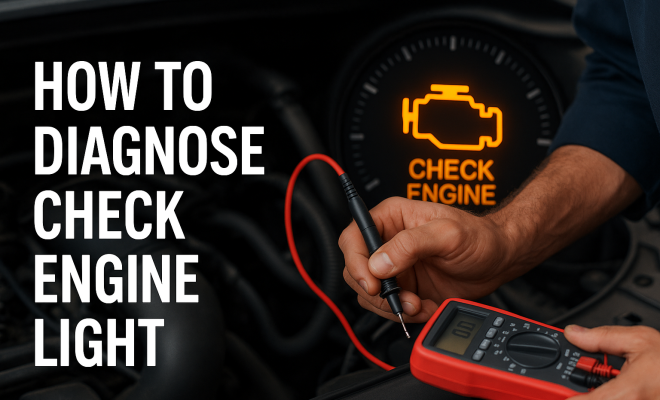
The check engine light (CEL), often depicted as an engine symbol, is part of your vehicle’s onboard diagnostics (OBD) system. Its primary role is to alert you to any potential issues with the engine or emission control systems. When the light triggers, it means the OBD system has detected a problem that could affect your vehicle’s performance, fuel efficiency, or emissions.
This light can signify a wide range of issues—some minor, such as a loose gas cap, and others more severe, like a failing catalytic converter. Ignoring the check engine light could lead to costly repairs down the line, so it’s essential to understand the implications of the warning.
2. Common Reasons for a Check Engine Light Activation
- Loose or Damaged Gas Cap – This is one of the most common reasons the CEL illuminates. A loose or damaged cap can cause fuel vapors to leak, triggering the light.
- Faulty Oxygen Sensors – These sensors monitor the level of oxygen in the exhaust and play a crucial role in optimizing fuel efficiency.
- Worn Spark Plugs or Wires – Spark plugs ignite the air/fuel mixture in the engine, and worn plugs can lead to misfires, affecting performance.
- Failed Catalytic Converter – A critical component for reducing emissions, a failing catalytic converter can lead to significant performance issues.
- MAF Sensor Malfunction – The Mass Air Flow Sensor measures the air entering the engine, and if it fails, the engine may not run efficiently.
While some of these issues might seem minor, addressing them promptly is crucial for maintaining optimal vehicle performance.
3. Using an OBD-II Scanner
One of the most effective ways to perform a check engine light diagnosis is by using an OBD-II scanner. Most vehicles manufactured after 1996 are equipped with an OBD-II port, usually located under the dashboard near the driver’s seat.
To use the scanner, follow these steps:
- Connect the OBD-II scanner to the port.
- Turn on the vehicle’s ignition, but do not start the engine.
- Follow the scanner’s prompts to read the error codes.
- Consult the scanner’s manual or an online database to interpret the codes.
These error codes can point you to the exact problem, making it easier to address the issue without guessing.
4. Understanding Error Codes
Error codes are alphanumeric strings, typically beginning with a letter followed by four digits (e.g., P0420). The letter indicates the system associated with the issue:
- P – Powertrain (engine and transmission)
- B – Body (interior and exterior systems)
- C – Chassis (brakes, steering, etc.)
- U – Network (communication issues between modules)
For example, a code of P0420 indicates a problem with the catalytic converter efficiency. Understanding these codes can significantly streamline your check engine light diagnosis process.
5. Visual Inspections
In addition to using an OBD-II scanner, performing a visual inspection can provide valuable insights into potential issues. Look for obvious signs of trouble, such as:
- Damaged or loose wiring.
- Fluid leaks under the vehicle.
- Corroded connectors.
- Signs of wear on hoses and belts.
A thorough visual check can help you identify straightforward fixes, such as tightening a loose gas cap or replacing a frayed wire. This can save you from more expensive repairs later. (See: Understanding OBD-II systems.)
6. Common DIY Fixes
Once you’ve diagnosed the issue, you might consider tackling some fixes yourself. Many common problems are simple enough for a DIY enthusiast to handle. Here are a few:
- Replacing Spark Plugs: If the error codes point to worn spark plugs, you can typically replace them without professional help. Ensure you have the right tools and parts, and follow the manufacturer’s guidelines.
- Fixing the Gas Cap: If the gas cap is the culprit, replacing it is a straightforward process. Just ensure you purchase the correct size and type for your vehicle.
- Cleaning the MAF Sensor: Sometimes, a dirty Mass Air Flow sensor can trigger the light. Cleaning it with appropriate cleaning solutions can restore functionality.
While some repairs are manageable, always know your limits. If you encounter complex issues, seek professional help.
7. When to Seek Professional Help
There are moments when DIY diagnosis and fixes won’t suffice. If you encounter any of the following scenarios, it’s best to consult a professional mechanic:
- The same error codes keep reappearing despite your attempts to fix them.
- You lack the tools or experience to handle the problem safely.
- The check engine light is accompanied by other symptoms like strange noises or poor performance.
- You feel unsure or overwhelmed by the diagnosis process.
Professional mechanics have the expertise and tools needed to investigate deeper issues that might not be immediately apparent from initial diagnostics.
8. Preventive Measures
Prevention is always better than a cure. Maintaining your vehicle can significantly minimize the chances of the check engine light coming on. Here are some proactive steps:
- Regular Maintenance: Follow your vehicle manufacturer’s maintenance schedule for oil changes, filter replacements, and other services.
- Monitor Fuel Quality: Always use the recommended fuel type for your vehicle, and avoid low-quality fuel that can damage engine components.
- Stay Aware of Warning Signs: If you notice changes in your vehicle’s performance, address them promptly instead of waiting for the check engine light to appear.
By being diligent about vehicle upkeep, you can often prevent issues before they escalate into serious problems.
9. The Importance of Addressing the Check Engine Light Promptly
Ignoring the check engine light can lead to a host of complications. Not only can it affect your vehicle’s performance, but it can also lead to more expensive repairs if left untreated. For example, a small issue like a faulty oxygen sensor can lead to decreased fuel efficiency, ultimately costing you more at the pump.
In some cases, ignoring the light can result in catastrophic engine damage. A failing catalytic converter, if not replaced in time, can cause extensive damage to the engine itself. Therefore, addressing the check engine light promptly is crucial for both safety and savings.
10. Understanding Emissions Regulations
In many regions, vehicles must comply with emissions regulations that aim to reduce air pollution. The check engine light’s role often intersects with these regulations. If your CEL is on due to an emissions-related issue, it could lead to your vehicle failing an emissions test. This means you would not only face potential fines but also legal issues.
For example, if your vehicle’s O2 sensors are malfunctioning, it could lead to increased emissions. In some states, you may also be required to repair any issues before you can renew your vehicle registration. Understanding these regulations can add an extra layer of urgency to addressing your check engine light.
11. Expert Perspectives on Check Engine Light Diagnosis
Many mechanics emphasize the importance of early diagnosis when it comes to check engine light issues. “The sooner you address a check engine light, the better,” says John Doe, an experienced mechanic with over 20 years in the industry. “Even minor issues can snowball into larger problems if left unaddressed.”
Additionally, experts recommend familiarizing yourself with the common error codes for your specific make and model. “Each manufacturer may have slightly different codes, and knowing what they mean can help you narrow down the problem,” adds Jane Smith, a certified automotive technician. (See: Road safety and vehicle maintenance.)
12. How Much Does Check Engine Light Diagnosis Cost?
The cost of diagnosing a check engine light problem can vary significantly based on location, the complexity of the issue, and whether you go to a dealership or an independent mechanic. On average, you might expect to pay anywhere from $100 to $150 for a diagnostic fee. Some shops may apply the diagnostic fee towards any repairs made, while others may not.
It’s also worth noting that if you can provide a mechanic with specific error codes from an OBD-II scanner, they might be able to offer a more accurate estimate over the phone, potentially saving you time and money.
13. FAQ: Check Engine Light Diagnosis
What does it mean if my check engine light is blinking?
A blinking check engine light usually indicates a severe issue, such as an engine misfire, that requires immediate attention. If this happens, you should pull over safely and turn off the engine as soon as possible.
Can I drive my car with the check engine light on?
While it might be safe to drive for a short distance with the check engine light on, it’s generally not advisable. If the light is on steadily, you may not be in immediate danger, but if it’s blinking, you should stop driving immediately and have it checked.
How often should I scan for check engine light codes?
It’s a good practice to scan for check engine light codes at least once every few months, especially if you notice any changes in your vehicle’s performance. Regular checks can help you catch potential issues early.
What if I reset the check engine light without fixing the problem?
Resetting the check engine light will turn it off temporarily, but the underlying issue will still exist. If the problem is not fixed, the light will likely come back on, and you might face more significant issues down the line.
Does the age of the vehicle affect the check engine light diagnosis?
Yes, older vehicles may have different diagnostic protocols and may not have the same level of onboard diagnostics as newer models. This might make diagnosing issues slightly more complicated, so it’s important to consider the vehicle’s age and type when seeking repairs.
14. Additional Tips for Diagnosing the Check Engine Light
While the steps we’ve discussed provide a solid foundation for diagnosing a check engine light issue, here are some additional tips to enhance your diagnostic process:
- Review Your Vehicle’s Manual: Your vehicle’s owner manual can provide crucial information regarding the check engine light. It may include specific advice or warnings tailored to your make and model.
- Check for Recalls: Sometimes, the reason for your check engine light could be related to a recall. Checking for any recalls on your vehicle model can provide insights into potential free repairs.
- Use Multiple Scanners: Different OBD-II scanners can provide different levels of detail. If you have access to multiple scanners, try using them to enhance the breadth of information you receive.
15. The Role of Technology in Check Engine Light Diagnosis
As technology continues to advance, so do the methods for diagnosing vehicle issues, including check engine light problems. The integration of advanced diagnostics systems in modern vehicles allows for more accurate assessments. For instance, many manufacturers now offer mobile apps that sync with your car’s OBD system, providing real-time diagnostics and even alerts to your smartphone.
These technologies can help you keep better track of your vehicle’s health, alerting you to potential issues before they escalate. Moreover, some systems can provide predictive analysis based on your driving habits, which can aid in ongoing maintenance.
16. Case Studies: Real-Life Examples of Check Engine Light Issues
To better understand the implications of the check engine light, let’s take a look at a couple of real-life scenarios:
Case Study 1: John’s Toyota Camry
John noticed his check engine light came on after he filled his tank at a discount gas station. After scanning the codes, he found an error related to the oxygen sensor. Upon inspection, he discovered that the low-quality fuel had caused deposits to build up, affecting the sensor’s performance. After switching to a higher-grade fuel and replacing the sensor, the light turned off, and his fuel economy improved.
Case Study 2: Lisa’s Ford Escape
Lisa’s check engine light began blinking one night while driving home. She pulled over and used her OBD-II scanner to read the codes, which indicated a misfire in one of the cylinders. Consulting a mechanic, they determined that a faulty spark plug was to blame. The quick diagnosis and repair saved her from potential engine damage and significantly improved her vehicle’s performance.
17. Maintaining Your Vehicle’s Health Beyond the Check Engine Light
While the check engine light is an important alert, it’s just one aspect of maintaining your vehicle’s health. Regularly scheduled maintenance, such as oil changes, tire rotations, and brake inspections, contribute significantly to the overall performance and longevity of your vehicle. Keeping records of all maintenance can also help you track changes over time and assist mechanics in diagnosing future problems more effectively.
In addition, consider utilizing tire pressure monitoring systems and fluid level checks to ensure other components of your vehicle remain in good condition. Developing a routine where you check these elements regularly can help prevent issues before they trigger the check engine light.
18. Conclusion: Stay Informed and Proactive
Understanding how to perform a check engine light diagnosis empowers you as a vehicle owner. Familiarizing yourself with the common causes of the light, knowing how to use diagnostic tools, and recognizing when to seek professional help can save you time, money, and a lot of anxiety.
By taking a proactive approach to vehicle maintenance and addressing issues promptly, you can keep your vehicle running smoothly without unnecessary hassle. Remember, the check engine light is not just a nuisance; it’s your vehicle’s way of communicating with you, so pay attention!
“`
Trending Now
Frequently Asked Questions
What does it mean when the check engine light comes on?
The check engine light (CEL) indicates that your vehicle's onboard diagnostics (OBD) system has detected a potential issue with the engine or emission control systems. This can range from minor problems, like a loose gas cap, to serious issues, such as a failing catalytic converter.
How can I diagnose a check engine light?
To diagnose a check engine light, start by checking for simple issues like a loose gas cap. Next, use an OBD-II scanner to retrieve the trouble codes, which will provide specific information on the problem. From there, you can troubleshoot or consult a mechanic for further diagnosis.
What are some common reasons for a check engine light to activate?
Common reasons for a check engine light activation include a loose or damaged gas cap, faulty oxygen sensors, worn spark plugs or wires, a failing catalytic converter, and MAF sensor malfunctions. Addressing these issues promptly can prevent more severe problems.
Is it safe to drive with the check engine light on?
Driving with the check engine light on can be risky, depending on the underlying issue. If the light is steady, it may indicate a less urgent problem. However, if it’s flashing, it usually signals a severe issue that requires immediate attention, so it's best to get it checked as soon as possible.
How much does it cost to fix a check engine light issue?
The cost to fix a check engine light issue varies widely based on the underlying problem. Simple fixes, like replacing a gas cap, may cost under $20, while more complex repairs, such as replacing a catalytic converter, can exceed $1,000. It's advisable to get a diagnostic to understand the specific issue and associated costs.
Agree or disagree? Drop a comment and tell us what you think.