Master Child’s Pose: A Restorative Yoga Tutorial
“`html
Child’s pose is a fundamental yoga posture that many practitioners cherish for its restorative qualities. Whether you’re a beginner or a seasoned yogi, understanding the significance and execution of child’s pose is crucial for a balanced practice. In this comprehensive child’s pose tutorial, we’ll explore its origins, benefits, variations, common mistakes to avoid, and tips for incorporating it into your routine.
1. Understanding Child’s Pose
Child’s pose, or Balasana in Sanskrit, translates to “child’s pose” in English and serves as a gentle resting position. This pose is often used to transition between more challenging postures, allowing the body to regroup and relax. Its roots can be traced back to ancient Indian yoga practices where it was valued for its calming effects on the mind and body.
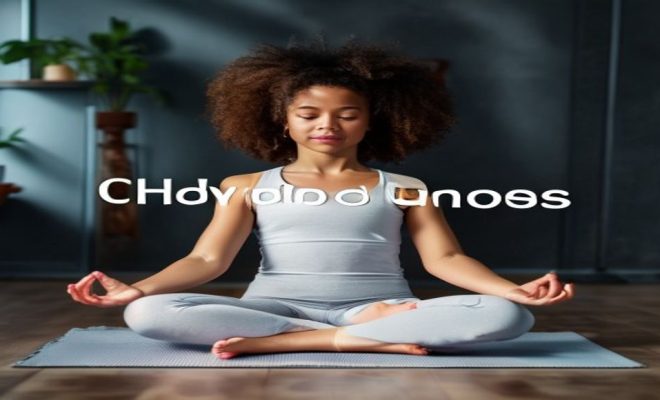
The pose typically involves kneeling on the mat, sitting back on your heels, and reaching forward with your arms extended. This position encourages a deep stretch in the back and hips while promoting relaxation and introspection. Acknowledging the serene essence of child’s pose is vital in fostering a deeper connection to your yoga practice.
2. Benefits of Child’s Pose
The benefits of child’s pose extend beyond physical stretching. Here are some key advantages that make it an essential part of any yoga practice:
- Physical Stretching: Child’s pose provides a gentle stretch to the spine, hips, and thighs, relieving tension in these areas.
- Mental Clarity: This pose encourages mindfulness and relaxation, helping to alleviate stress and anxiety while fostering a sense of calm.
- Improved Circulation: By promoting relaxation, child’s pose can enhance blood flow, aiding in overall circulation throughout the body.
- Digestive Aid: The gentle compression of the abdomen can stimulate digestion, making it beneficial after meals.
- Enhanced Flexibility: Regular practice can increase flexibility in the hips and lower back, contributing to better mobility overall.
These benefits highlight why child’s pose is often recommended in yoga classes, regardless of skill level. Its restorative nature supports both body and mind, making it a go-to for many practitioners.
3. How to Perform Child’s Pose
Executing child’s pose may seem straightforward, but proper alignment is crucial for maximizing its benefits. Follow these step-by-step instructions to ensure you’re performing the pose correctly:
- Start Position: Begin on your hands and knees in a tabletop position, ensuring your wrists are aligned under your shoulders and your knees are beneath your hips.
- Kneel Back: Gently lower your hips back toward your heels. If your heels do not touch your glutes, that’s perfectly fine; find a comfortable position.
- Extend Arms: Reach your arms forward, palms facing down, and allow your forehead to rest on the mat. Alternatively, you can place your arms alongside your body with palms up for a more relaxing variation.
- Breathing: Focus on your breath. Inhale deeply, and as you exhale, relax into the pose, allowing your body to sink deeper into the stretch.
- Hold the Pose: Remain in this position for 30 seconds to a few minutes, depending on your comfort level.
Listening to your body is key. If at any point you feel discomfort, modify your alignment or come out of the pose completely.
4. Variations to Enhance Your Practice
Child’s pose offers numerous variations to cater to different levels of flexibility and comfort. Here are a few options that can deepen your practice:
- Wide-Legged Child’s Pose: Spread your knees wider than hip-width apart while keeping your big toes touching. This variation provides a deeper stretch in the hips and lower back.
- Supported Child’s Pose: Use a bolster or pillow under your chest for extra support. This can make the pose more accessible and comfortable, especially for those with tight hips.
- Thread the Needle Variation: From child’s pose, extend one arm forward while threading the opposite arm underneath your body, resting your shoulder and head on the mat. This adds a deeper twist and opens up the shoulders.
- Reclining Child’s Pose: Instead of resting your forehead on the mat, let your torso hang over your thighs, arms resting alongside your body for a different feel.
Experimenting with these variations can help you discover what works best for your body, enhancing your overall experience in child’s pose. (See: Overview of yoga practices.)
5. Common Mistakes to Avoid
Even though child’s pose is often seen as a simple posture, there are still common mistakes that can hinder its effectiveness. Here are some pitfalls to avoid:
- Incorrect Knee Position: Be mindful of your knee position; they should be aligned with your hips. Avoid letting your knees collapse inward, as this can lead to unnecessary strain.
- Head Position: Ensure your forehead rests comfortably on the mat. If your forehead does not reach the ground, consider using a block or cushion for support.
- Holding Tension: It’s essential to relax into the pose rather than holding tension in your body. Focus on deep, calming breaths to help release any tightness.
- Rushing through the Pose: Take your time transitioning into and out of child’s pose. Rushing can lead to improper alignment and diminish the restorative benefits.
By being mindful of these common mistakes, you can enhance your child’s pose experience and reap the full range of benefits it has to offer.
6. When and Where to Use Child’s Pose
Child’s pose can be integrated into your yoga routine in various ways. Here are some suggestions on when and where to practice:
- During a Yoga Class: Child’s pose is frequently used between more challenging postures as a transitional and restorative pose. Don’t hesitate to return to it whenever you need a break.
- At Home: Practice child’s pose any time you feel stressed or overwhelmed. Setting aside a few minutes for this pose can help you reset your mental state.
- Post-Workout: After a strenuous workout, child’s pose can aid in recovery. It elongates the spine and relaxes the muscles, providing relief after intense activity.
- Before Bed: Incorporating child’s pose into your evening routine can signal to your body that it’s time to wind down, promoting better sleep.
These moments highlight the versatile nature of child’s pose, making it a practical choice for various situations, whether on the mat or in daily life.
7. Incorporating Child’s Pose into Daily Life
Incorporating child’s pose into your daily routine can lead to a more balanced and restorative lifestyle. Here are some practical tips:
- Set Reminders: Use phone reminders or sticky notes in your workspace to prompt you to take short breaks and practice child’s pose throughout the day.
- Create a Ritual: Pair child’s pose with another calming activity, such as meditation or deep breathing exercises, for an effective relaxation ritual.
- Share with Others: Encourage friends or family to join you in practicing child’s pose. Sharing this restorative experience can enhance your connections while promoting wellness.
- Listen to Your Body: Pay attention to signals from your body, practicing child’s pose whenever you feel tension or stress accumulating.
By weaving child’s pose into the fabric of your daily life, you can cultivate a sense of peace and relaxation that carries over into all aspects of your day.
8. Current Relevance of Child’s Pose
In a world that often feels chaotic and fast-paced, the relevance of child’s pose cannot be overstated. As stress and anxiety levels rise, finding effective relaxation techniques becomes paramount. Child’s pose stands out as a simple yet powerful tool for grounding oneself amid the chaos.
Moreover, with the expansion of online yoga classes and wellness apps, more people are discovering or reconnecting with child’s pose. Its accessibility and ease of practice make it appealing for those new to yoga or meditation. The shift towards remote work and virtual gatherings has put a spotlight on self-care, and child’s pose can easily fit into a busy schedule.
9. Scientific Insights on Child’s Pose
Research into yoga and its effects on the body and mind continues to grow, affirming the benefits of poses like child’s pose. A study published in the journal Yoga Journal explored the physiological impacts of yoga on stress reduction. Participants who practiced yoga regularly reported lower levels of cortisol, the stress hormone, showcasing how poses like child’s pose can contribute to a more relaxed state.
Additionally, a survey conducted by the American Osteopathic Association found that 85% of respondents believe that practicing yoga helped mitigate their anxiety and stress. This statistic underscores the role of gentle postures, including child’s pose, in promoting mental well-being. (See: Benefits of physical activity.)
For those dealing with chronic pain, research from the National Institutes of Health indicates that yoga can enhance physical function and reduce pain levels. Child’s pose, with its gentle stretching, plays a critical role in this holistic approach to health.
10. Expert Perspectives on Child’s Pose
Leading yoga instructors frequently emphasize the importance of incorporating child’s pose into practice. Renowned yoga teacher Adriene Mishler states, “Child’s pose is a place of rest. It is an opportunity to reconnect with your breath and find stillness.” This perspective highlights the pose’s restorative nature, making it invaluable for yogis at every level.
Physical therapists also advocate for the inclusion of child’s pose in rehabilitation programs. “It allows for a gentle stretch of the back and hips while providing a safe space to release tension,” says Dr. Emma Johnson, a licensed physical therapist. Her insights underline the therapeutic aspects of this posture, especially for those recovering from injuries.
11. Common Misconceptions About Child’s Pose
Despite its popularity, there are several misconceptions about child’s pose that can deter individuals from practicing it. Here are some of the most common:
- It’s Only for Beginners: While child’s pose is often taught to beginners, it’s a beneficial pose for all levels. Even advanced yogis use it to find respite during challenging sequences.
- You Must Be Flexible: Many believe flexibility is a prerequisite for practicing child’s pose. In reality, the pose can be modified for any body type, making it inclusive and accessible.
- It’s a Passive Pose: Some may view child’s pose as merely a resting position. However, when practiced mindfully, it can be an active exploration of breath, attention, and mental clarity.
12. FAQs About Child’s Pose
What should I do if I can’t sit comfortably on my heels?
If sitting on your heels feels uncomfortable, consider using a cushion or blanket under your pelvis for extra support. You can also try placing a folded mat under your knees for added comfort.
Can I practice child’s pose during my menstrual cycle?
Many practitioners find child’s pose to be soothing during their menstrual cycle. It can help alleviate cramps and promote relaxation. However, listen to your body and modify the pose as needed.
How long should I hold child’s pose?
Holding child’s pose for 30 seconds to several minutes is typical, but you should stay as long as it feels comfortable. You can always return to it throughout your yoga practice as needed.
Is child’s pose suitable for pregnant women?
Pregnant women can practice child’s pose, but modifications may be necessary as the pregnancy progresses. It’s advisable to consult with a healthcare provider before continuing any yoga practice during pregnancy.
Can child’s pose help with anxiety or stress relief?
Yes! Child’s pose is often recommended for anxiety and stress relief due to its calming effects on the nervous system. The focus on breath can also help center your thoughts and promote mindfulness. (See: Research on yoga and mental health.)
13. Child’s Pose and its Role in Modern Wellness
In today’s fast-paced world, mental health awareness has skyrocketed. Child’s pose is often highlighted in discussions about wellness as a tool for achieving emotional balance. Its accessibility makes it a perfect addition to any wellness routine, as it requires no special equipment and can be performed anywhere. Many mental health professionals recommend simple yoga techniques like child’s pose as part of a broader strategy for managing anxiety and stress.
Incorporating child’s pose into your daily routine not only supports physical health but also fosters mental resilience. Practicing it regularly can help develop a more profound sense of self-awareness and mindfulness, essential elements for overall well-being.
14. Experiential Insights: Real-Life Stories
Many practitioners have shared personal stories about the transformative power of child’s pose. For example, Sarah, a yoga beginner, described how practicing child’s pose during breaks from work helped her manage overwhelming feelings of stress. “It gave me a moment to breathe and reconnect with myself,” she said. This illustrates the pose’s ability to create a sanctuary of calm amidst a busy day.
Another yogi, Mark, explained that after a long day of physical labor, he found solace in returning to child’s pose. “It became my go-to move for relieving back pain and tension in my hips. It’s amazing how such a simple pose can pack such a healing punch.” These anecdotal accounts highlight the varied ways that child’s pose can be beneficial, pointing to its versatility as a restorative tool.
15. Conclusion: Embrace the Journey with Child’s Pose
Child’s pose is more than just a yoga posture; it’s a gateway to relaxation, mindfulness, and self-discovery. Whether you practice it at the end of a strenuous yoga session or as a standalone moment of calm, the benefits are profound. By making child’s pose a regular part of your routine, you can promote physical flexibility, emotional release, and mental clarity.
Ultimately, mastering child’s pose requires practice and patience. As you continue to explore this nurturing posture, you’ll likely find that it evolves with you, reflecting your journey both on and off the mat. Remember, every time you return to child’s pose, you’re not just practicing a posture; you’re embracing a moment of peace in your busy life.
“`
Trending Now
Frequently Asked Questions
What is the child's pose in yoga?
Child's pose, or Balasana, is a foundational yoga posture that serves as a gentle resting position. It involves kneeling, sitting back on your heels, and extending your arms forward, providing a calming stretch for the spine, hips, and thighs while promoting relaxation and introspection.
What are the benefits of practicing child's pose?
Practicing child's pose offers numerous benefits, including physical stretching of the spine and hips, enhanced mental clarity, improved circulation, digestive aid through gentle abdominal compression, and increased flexibility in the hips and lower back.
How do you properly do child's pose?
To properly perform child's pose, kneel on your mat, sit back on your heels, and reach your arms forward while lowering your torso towards the ground. This position should feel comfortable and restorative, allowing for deep breathing and relaxation.
Is child's pose suitable for beginners?
Yes, child's pose is highly suitable for beginners as it is a gentle and restorative posture. It helps newcomers develop awareness of their body and breathing while providing a safe space to regroup between more challenging yoga poses.
What mistakes should I avoid in child's pose?
Common mistakes in child's pose include straining the neck by lifting the head too high, not fully relaxing the body, or forcing the hips down without proper alignment. Focus on maintaining a comfortable position and deep breathing to enhance the benefits.
What did we miss? Let us know in the comments and join the conversation.