Mastering UTM Parameters: A Guide to Campaign Tracking
“`html
In the digital marketing landscape, understanding how to create UTM parameters is essential for tracking the effectiveness of campaigns. Whether you’re a seasoned marketer or just diving into the world of analytics, mastering UTM parameters can provide you with insights that can significantly influence your marketing strategies. In this comprehensive guide, we’ll explore what UTM parameters are, how to create them, their importance, and best practices to follow.
1. What Are UTM Parameters?
UTM parameters, or Urchin Tracking Module parameters, are snippets of text added to the end of a URL that help track the performance of campaigns in Google Analytics and other analytics platforms. When someone clicks on a UTM-tagged link, the parameters send specific information to your analytics tool, allowing you to see where your traffic is coming from, the effectiveness of different campaigns, and much more.
Typically, UTM parameters consist of five components: utm_source, utm_medium, utm_campaign, utm_term, and utm_content. Each serves a unique purpose and helps marketers dissect their traffic sources. For example, utm_source identifies the source of traffic (like Facebook, Twitter, or a newsletter), while utm_medium specifies the medium (such as social media, email, or referral).
2. Why Are UTM Parameters Important?
UTM parameters are crucial for several reasons. First, they enable better tracking of marketing efforts. Without them, it can be challenging to determine which campaigns are driving traffic and conversions. For example, if you run multiple campaigns across platforms, UTM parameters help you dissect which specific campaign or platform performed best.
Second, they help optimize marketing strategies. By analyzing UTM data, you can identify what works and what doesn’t. This insight allows you to allocate resources more effectively, focusing on high-performing campaigns while adjusting or discontinuing less effective ones. This kind of data-driven decision-making is vital in today’s competitive marketing environment.
3. Setting Up UTM Parameters
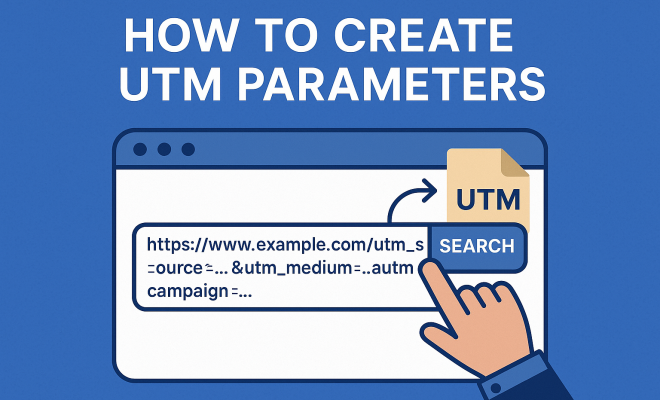
Creating UTM parameters is a straightforward process. You can either manually create them by appending the required parameters to your URLs or use tools that simplify the process. Here’s how to set them up manually:
- Start with your base URL (e.g.,
https://www.example.com). - Add a question mark (
?) to start the UTM parameters section. - Include your parameters in the following format:
utm_source=source&utm_medium=medium&utm_campaign=campaign. - Separate multiple parameters with an ampersand (
&).
For instance, your final URL might look like this: https://www.example.com?utm_source=facebook&utm_medium=social&utm_campaign=spring_sale.
4. Understanding UTM Parameters Components
It’s essential to understand each component of UTM parameters to effectively utilize them:
- utm_source: Identifies the source of your traffic. This could be the website name, social media platform, or email service.
- utm_medium: Describes the medium in which the link is shared. Common values include email, social, or cpc (cost per click).
- utm_campaign: Indicates the specific campaign or promotion associated with the link (e.g., summer_sale).
- utm_term: Primarily used for paid search campaigns, it identifies the keywords for ad campaigns.
- utm_content: Differentiates between similar content or links within the same ad or campaign.
Using these components thoughtfully will give you comprehensive insights into how different strategies are performing.
5. Best Practices for Creating UTM Parameters
To maximize the effectiveness of UTM parameters, it’s crucial to follow best practices:
- Create a consistent naming convention: This helps in keeping your data organized and easily interpretable. Decide on a format for your parameters and stick to it.
- Use lowercase letters: UTM parameters are case-sensitive, so using lowercase throughout ensures consistency and minimizes confusion.
- Avoid spaces and special characters: Use underscores or dashes instead of spaces to prevent errors in tracking.
- Document your UTM parameters: Maintain a spreadsheet to keep track of the parameters you’ve created. This makes it easier to analyze data and prevents duplication.
By adhering to these best practices, you’ll ensure that your tracking remains clear and actionable.
6. Using UTM Parameters with Google Analytics
Once you’ve created UTM parameters, integrating them with Google Analytics is simple. When someone clicks on a UTM-tagged link, Google Analytics automatically categorizes the traffic according to the parameters you set. You can find this data under the Acquisition section within Google Analytics. (See: Understanding Urchin Tracking Module.)
To analyze your UTM data, navigate to Acquisition > Campaigns > All Campaigns. Here, you can see how different campaigns are performing, the traffic sources, and various other insights. This data can help you measure ROI, understand user behavior, and refine your future marketing efforts.
7. Common Mistakes to Avoid
When it comes to creating UTM parameters, there are several pitfalls to watch out for. One of the most common mistakes is not using UTM parameters consistently across all campaigns. This inconsistency can lead to fragmented data that is difficult to analyze.
Another frequent error is failing to document your UTM parameters. Without proper documentation, you run the risk of duplicating parameters or forgetting what each one represents, ultimately leading to confusion when analyzing data.
Lastly, avoid overusing UTM parameters. While they are beneficial, excessive tagging can clutter your reports and make it hard to draw meaningful conclusions. Stick to a well-thought-out strategy for which links need UTM parameters.
8. Integrating UTM Parameters with Other Tools
While UTM parameters are primarily used with Google Analytics, they can also work seamlessly with other analytics and marketing tools. Platforms like HubSpot, Mailchimp, and Bitly allow for easy integration of UTM parameters, providing insights across various channels.
For instance, if you’re using email marketing software like Mailchimp, you can automatically add UTM parameters to links in your campaigns. This ensures your tracking remains consistent and effortlessly ties into your overall analytics strategy.
By integrating UTM parameters across multiple platforms, you can gain a holistic understanding of your marketing performance, making it easier to identify trends and adjust your strategies accordingly.
9. Advanced Techniques for UTM Parameters
Once you’ve grasped the basics of UTM parameters, there are advanced techniques to consider. One method is to use dynamic UTM parameters. These allow you to automatically populate UTM parameters based on user data, enhancing personalization and relevance.
Another advanced strategy is to segment your UTM parameters by audience. By creating different parameters for various audience segments, you can tailor your campaigns more effectively and gain deeper insights into how different demographics respond to your marketing efforts.
Lastly, consider using UTM parameters for offline campaigns. For example, you can include UTM-tagged URLs in print ads or QR codes, allowing you to track the effectiveness of traditional marketing channels.
10. Conclusion: The Power of UTM Parameters
Understanding how to create UTM parameters is essential for any marketer looking to optimize their online presence. By using UTM parameters effectively, you can gain valuable insights into your traffic sources, campaign performance, and overall marketing strategy. Remember to follow best practices, avoid common mistakes, and continuously refine your approach to maximize the benefits of tracking.
As digital marketing evolves, mastering tools like UTM parameters will be increasingly vital for staying ahead of the curve and ensuring that your campaigns are as effective as possible. So, get out there, start crafting those UTM parameters, and watch your marketing efforts flourish!
11. UTM Parameters and SEO
While UTM parameters are primarily used for tracking marketing campaigns, they can also have implications for Search Engine Optimization (SEO). When UTM parameters are added to URLs, they can impact how search engines index your pages. However, if not handled properly, they can dilute the effectiveness of your SEO efforts.
Search engines may treat UTM-tagged URLs as different pages, which can lead to duplicate content issues. To mitigate this, consider using the canonical tag on your pages to signal to search engines which version of the URL should be indexed. This helps concentrate your SEO efforts and prevents dilution of page authority. (See: CDC resource on tracking parameters.)
Furthermore, it’s important to ensure that UTM parameters do not interfere with your organic search traffic reporting. If your goal is to accurately track both organic and paid traffic, it’s wise to maintain a clear distinction in your analytics settings. This way, you can see how effectively your organic and paid campaigns are performing.
12. UTM Parameters and Social Media
Social media is a potent channel for driving traffic to your website, and UTM parameters can provide essential insights into the performance of your social campaigns. For instance, if you’re running a promotional campaign on multiple platforms like Facebook, Twitter, and Instagram, using unique UTM parameters for each platform can help measure which social channels are yielding the best results.
By analyzing the data from these UTM parameters in Google Analytics, you’ll discover trends in user engagement, conversions, and bounce rates across different social media channels. This information is invaluable for optimizing your social media strategy, allowing you to dedicate resources to the platforms that generate the most traffic and engagement.
Moreover, you can also differentiate between organic and paid social efforts by utilizing distinct UTM parameters. This approach will give you a clearer understanding of how each type of social strategy contributes to your overall goals, enabling you to refine your tactics and improve ROI.
13. Case Studies: Success with UTM Parameters
Real-world examples can illuminate the impact of UTM parameters on marketing success. Consider a retail company that launched a new line of shoes. They decided to run several campaigns across social media platforms and email marketing. By effectively using UTM parameters, they tracked the traffic generated from each campaign and discovered that their Instagram ads drove significantly more traffic than their Facebook ads.
Based on this data, the company allocated more budget to Instagram for the next quarter, resulting in a 25% increase in conversions. This scenario demonstrates how leveraging UTM parameters can lead to more informed decisions and ultimately drive better results.
Another example can be seen in a B2B software company that was launching a new product. They implemented UTM parameters to track the effectiveness of their webinars, blog posts, and email newsletters. The analytics revealed that email campaigns generated the highest quality leads, which prompted the company to prioritize email marketing in their strategy moving forward. The result? A 40% increase in qualified leads as they focused on what was working.
14. FAQ: Frequently Asked Questions About UTM Parameters
What is the maximum length for UTM parameters?
There is no strict limit on the length of UTM parameters, but it’s best to keep them concise and descriptive. A general guideline is to keep the entire URL, including UTM parameters, under 2048 characters.
Can UTM parameters be used for QR codes?
Absolutely! UTM parameters can be included in QR codes to track the effectiveness of offline campaigns. When users scan the QR code, they will be directed to the URL with the UTM parameters, allowing you to track the traffic generated from that source.
Do UTM parameters affect my website’s SEO?
UTM parameters themselves do not directly impact SEO, but they can create duplicate URLs if not managed properly. It’s essential to use canonical tags to inform search engines about the preferred version of a URL to index.
How can I shorten UTM-tagged URLs?
To shorten UTM-tagged URLs, you can use URL shorteners like Bitly or TinyURL. These tools not only condense lengthy URLs but also provide additional tracking features, allowing you to monitor clicks on your shortened links.
Should I use UTM parameters for all links in my marketing campaigns?
It’s not necessary to use UTM parameters for every single link. Focus on key campaigns or promotional links where tracking is essential. Over-tagging can clutter your reports and make it challenging to interpret data effectively. (See: Marketing analytics insights from NY Times.)
How do I troubleshoot UTM parameters if they’re not working?
If your UTM parameters aren’t showing up in Google Analytics, check for common issues like typos in the URL, incorrect parameter formats, or issues with tracking settings in your analytics tool. It’s also a good practice to click through your links yourself to ensure they redirect properly.
15. Future Trends in UTM Parameters
As digital marketing strategies become more sophisticated, the use of UTM parameters is evolving. One trend to watch is the integration of UTM parameters with AI-powered analytics tools. These tools can automatically generate and manage UTM parameters based on campaign objectives, streamlining the process for marketers.
Another emerging trend is the increased focus on privacy and data protection. With regulations like GDPR and CCPA, marketers must be cautious about user data collection. This may lead to more thoughtful implementation of UTM parameters, ensuring compliance while still gathering actionable insights.
Lastly, as personalization becomes a cornerstone of digital marketing, the ability to segment and analyze traffic sources through UTM parameters will be even more crucial. Marketers will need to leverage this data to create tailored experiences that resonate with individual users, driving higher engagement and conversions.
16. Tips for Integrating UTM Parameters into Your Strategy
As you start to create UTM parameters, think strategically about how you integrate them into your overall marketing strategy. Here are some tips:
- Plan Ahead: Before launching a campaign, develop a UTM parameter strategy. Outline the sources, mediums, and campaigns you will track to ensure consistency.
- Use a UTM Builder: Several online UTM builders can help you create UTM parameters without errors. These tools guide you through the process, ensuring you don’t miss any critical components.
- Monitor and Adjust: After implementing UTM parameters, regularly check your analytics data. If a particular source or campaign isn’t performing as expected, consider adjusting your approach or testing different messages.
- Educate Your Team: Make sure everyone on your marketing team understands how to use UTM parameters effectively. Regular training sessions can help keep everyone on the same page.
17. Real-World Examples of Effective UTM Usage
Many companies have significantly benefited from implementing UTM parameters into their marketing strategies. One notable example is Spotify, which has employed UTM parameters extensively to track different promotional campaigns across various platforms. By analyzing the traffic from UTM-tagged links, they’ve been able to refine their targeting and messaging based on user behavior, contributing to their impressive growth.
Another instance involves an e-commerce brand that used UTM parameters to track the effectiveness of several email campaigns. By distinguishing between promotional emails and newsletter emails using different UTM parameters, they discovered that promotional emails generated significantly higher conversion rates. Consequently, they shifted their strategy to include more promotional content in their newsletters, resulting in a 30% increase in sales over the following quarter.
18. Final Thoughts on Using UTM Parameters
In the ever-evolving world of digital marketing, the ability to track and analyze your campaigns effectively is essential. UTM parameters provide a straightforward yet powerful way to gain insights into your marketing efforts. By understanding how to create UTM parameters and applying the best practices outlined in this guide, you can enhance your marketing strategies significantly.
As you implement UTM parameters, remember that the ultimate goal is to drive informed decision-making that leads to better marketing outcomes. Keep experimenting, learning from the data, and adjusting your strategies accordingly. With time, you’ll become adept at using UTM parameters to unlock valuable insights that can help your marketing efforts flourish.
“`
Trending Now
Frequently Asked Questions
What are UTM parameters used for?
UTM parameters are used to track the performance of online marketing campaigns. By appending these snippets to URLs, marketers can analyze where their traffic is coming from, assess the effectiveness of different campaigns, and optimize their marketing strategies based on the collected data.
How do I create UTM parameters?
To create UTM parameters, append specific tags to your URL. The main components include utm_source (traffic source), utm_medium (medium), and utm_campaign (campaign name). You can manually add these parameters or use a UTM builder tool available online to simplify the process.
Why are UTM parameters important for analytics?
UTM parameters are vital for analytics as they provide granular insights into campaign performance. They help identify which sources and mediums are driving traffic and conversions, enabling marketers to make informed decisions and optimize their strategies effectively.
What are the main components of UTM parameters?
The main components of UTM parameters include utm_source (identifies the source of traffic), utm_medium (specifies the medium), utm_campaign (names the campaign), utm_term (tracks keywords), and utm_content (distinguishes variations of ads or links). Each component serves a specific purpose.
Can UTM parameters improve campaign performance?
Yes, UTM parameters can significantly improve campaign performance by providing insights into which campaigns are effective. By analyzing the data from UTM parameters, marketers can identify high-performing strategies and allocate resources accordingly, leading to better overall results.
Have you experienced this yourself? We’d love to hear your story in the comments.