Devastating Flooding in Dagestan Highlights Climate Crisis Impact
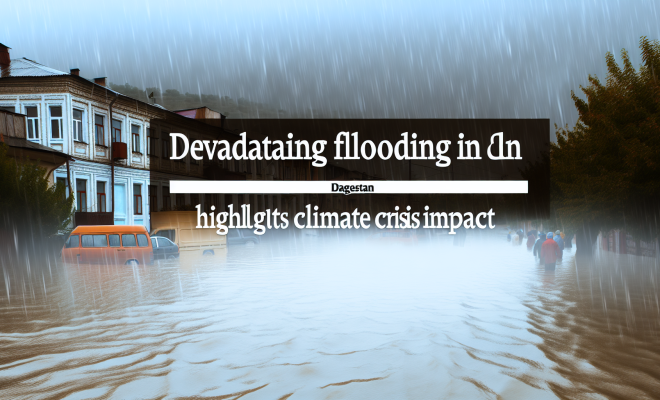
On March 31, 2026, the North Caucasus region of Russia, particularly Dagestan, experienced a catastrophic flooding event that has prompted local authorities to declare a state of emergency. The flooding, triggered by torrential rainfall, has led to the evacuation of thousands of residents and has raised alarm bells about the increasing frequency and severity of climate-driven extreme weather events worldwide.
Severe Weather Patterns Intensify
The flooding in Dagestan is a stark reminder of the ongoing climate crisis, which many scientists and environmentalists warn is becoming increasingly severe. Reports indicate that the intense rainfall that caused the flooding was part of a larger system of extreme weather patterns that have been observed globally. In recent years, regions around the world have witnessed unprecedented weather events, including heatwaves, hurricanes, and heavy rainfall, all of which are linked to climate change.
Impact on Local Communities
The state of emergency declared in Dagestan reflects the immediate challenges posed by such extreme weather events. Thousands of residents were forced to evacuate their homes as floodwaters surged, damaging infrastructure and posing serious risks to public safety. Emergency services are currently working tirelessly to assist those affected, providing shelter and resources to ensure the safety of evacuees.
Local authorities have reported significant damage to homes, roads, and essential services, complicating recovery efforts. As the situation develops, the long-term effects on the community’s resilience and economic stability remain to be seen. Furthermore, the psychological impact on residents, many of whom are displaced from their homes, cannot be understated.
Linking Local Events to Global Trends
The flooding in Dagestan is not an isolated incident but rather part of a broader trend of climate-related disasters that have been increasing in frequency and intensity. According to the latest reports from climate scientists, the probability of such extreme weather events is rising due to the ongoing impacts of global warming.
- Increasing Global Temperatures: Average global temperatures have risen significantly due to greenhouse gas emissions, causing shifts in weather patterns.
- Melting Ice Caps: The melting of polar ice caps contributes to rising sea levels and alters ocean currents, which can exacerbate weather extremes.
- Changing Precipitation Patterns: As temperatures rise, precipitation patterns are disrupted, leading to more intense storms and flooding in some regions while causing drought in others.
These interconnected issues highlight the urgent need for comprehensive climate action. Experts agree that mitigating the impacts of climate change will require not only local adaptations but also global cooperation to reduce emissions and enhance resilience against future disasters.
Global Responses to Climate Change
In response to the increasing threat of climate-related disasters, governments and organizations worldwide are ramping up their efforts to address climate change. Initiatives include:
- International Agreements: The Paris Agreement and subsequent climate accords aim to unite countries in reducing carbon emissions and limiting global warming.
- Investment in Renewable Energy: Transitioning to renewable energy sources like solar, wind, and hydroelectric power is seen as crucial for reducing reliance on fossil fuels.
- Disaster Preparedness and Resilience Planning: Countries are investing in infrastructure improvements and emergency preparedness to better respond to climate-driven disasters.
While these efforts are essential, the increasing frequency of events like the flooding in Dagestan underscores the fact that much more needs to be done. Climate scientists emphasize the importance of immediate action to curb emissions and invest in sustainable practices, as the window to prevent the worst impacts of climate change continues to close.
Conclusion: A Call for Urgent Action
The devastating flooding in Dagestan on March 31 serves as a stark reminder of the urgent need for action in the face of climate change. Local communities are bearing the brunt of this global crisis, and the consequences of inaction will only worsen in the years to come. As individuals, communities, governments, and organizations reflect on the events unfolding in Dagestan, it is clear that the fight against climate change requires immediate and sustained efforts across all levels of society.
In the face of increasing climate-driven disasters, the call for urgent action resonates louder than ever. The time to act is now, as the future of our planet and the well-being of countless communities depend on the choices we make today.