US Military Strikes Caribbean Drug Traffickers in 2026
Introduction
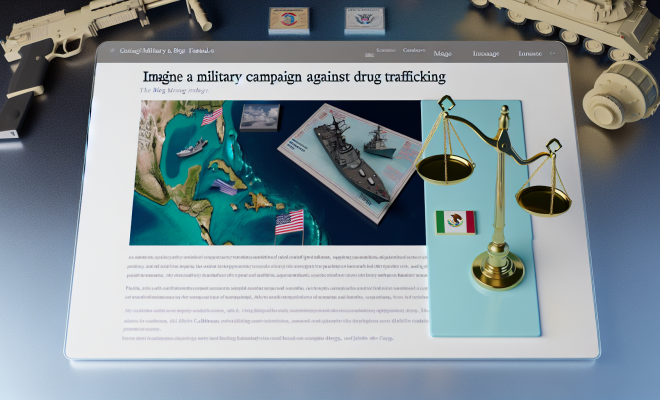
On April 20, 2026, the U.S. military executed a significant strike against a vessel suspected of drug trafficking in the Caribbean Sea, resulting in the fatalities of three individuals. This operation is part of a broader initiative launched by the Trump administration aimed at dismantling drug smuggling operations across Latin America. Since the campaign’s inception in early September, the U.S. has reported a staggering total of 181 deaths linked to these military efforts. This article delves into the implications of this specific strike, the ongoing military campaign against drug trafficking, and the broader context of U.S. foreign policy in the region.
Background on U.S. Military Engagement in the Caribbean
The Caribbean Sea has long been a critical transit route for illicit drugs heading towards the United States. With its proximity to several Latin American countries known for drug production, including Colombia and Venezuela, the region has become a focal point for drug trafficking organizations (DTOs). In response to escalating drug-related violence and the detrimental effects on U.S. communities, the U.S. has intensified its military presence and operations in the area.
Historical Context of Drug Trafficking
Drug trafficking has plagued the Caribbean for decades, with traffickers using sophisticated methods to evade law enforcement and military interventions. The rise of powerful DTOs in the 1980s and 1990s led to the establishment of extensive networks that transport cocaine, heroin, and other narcotics into the U.S. market. The U.S. government has repeatedly sought to combat this issue through various strategies, including military operations, intelligence sharing, and international cooperation.
Details of the April 20 Strike
The recent military strike took place in the Caribbean Sea, targeting a vessel identified as being involved in drug trafficking activities. According to official reports, the operation resulted in the deaths of three individuals aboard the boat. The U.S. military has not disclosed the exact circumstances surrounding the strike, but it aligns with the administration’s ongoing campaign against drug smuggling.
Operational Objectives
- Deterrence: The U.S. aims to deter DTOs from using maritime routes by demonstrating a willingness to engage militarily.
- Disruption: By targeting vessels directly, the military seeks to disrupt supply chains and decrease the availability of drugs in the U.S.
- Intelligence Gathering: Each operation provides valuable intelligence on trafficking routes and organizational structures.
Impact and Consequences
The strike on April 20 is part of a larger pattern of military engagement in the region that has resulted in significant casualties. With at least 181 deaths reported since the campaign’s launch, questions arise regarding the effectiveness and ethics of such military interventions. Critics argue that the use of lethal force in these operations may lead to unintended consequences, including increased violence and retaliation from drug cartels.
Public Reaction and Criticism
Public opinion regarding military interventions in drug trafficking has been mixed. While some citizens support strong actions against drug trafficking due to its direct impact on crime and addiction rates, others voice concerns over the loss of life and the implications of military involvement in what some deem a law enforcement issue. Activists and human rights organizations have called for greater accountability and transparency in military operations, urging the government to prioritize diplomatic and cooperative strategies over lethal force.
Broader Implications for U.S. Foreign Policy
The ongoing military campaign against drug trafficking reflects broader trends in U.S. foreign policy, particularly regarding its approach to Latin America. Historically, the U.S. has alternated between diplomatic engagement and military intervention in the region, often influenced by domestic political considerations and the overarching goal of combating drug-related violence.
Regional Relations
U.S. military operations in the Caribbean have significant implications for relations with neighboring countries. Many Latin American nations have expressed concerns that U.S. military actions may infringe on their sovereignty and complicate diplomatic relations. Furthermore, these operations can strain cooperation on broader issues, such as trade, immigration, and environmental concerns.
The Role of International Partnerships
In addressing drug trafficking, the U.S. has often relied on international partnerships, collaborating with countries in the region to bolster anti-drug initiatives. These collaborations can include joint operations, intelligence sharing, and capacity building for local law enforcement agencies.
Case Studies of Cooperation
- Colombia: The U.S. has a long-standing partnership with Colombia, involving military aid and training to combat drug cartels.
- Mexico: Joint operations with Mexican authorities have targeted high-profile cartel leaders, although challenges remain due to corruption and violence.
- Caribbean Nations: Many Caribbean countries have received U.S. assistance to strengthen border security and maritime patrols.
Looking Ahead: Challenges and Opportunities
The U.S. military’s campaign against drug trafficking in the Caribbean presents both challenges and opportunities moving forward. As the situation evolves, U.S. policymakers must grapple with the balance between military intervention and diplomatic engagement.
Potential Challenges
- Escalating Violence: Increased military presence may provoke violent retaliation from drug cartels, further destabilizing the region.
- Human Rights Concerns: The loss of civilian lives raises ethical questions about the use of military force in drug interdiction.
- Political Backlash: Domestic and international criticism may lead to calls for a reevaluation of military strategies.
Opportunities for Reform
- Enhanced Cooperation: Strengthening partnerships with regional governments could lead to more effective, coordinated efforts against trafficking.
- Focus on Prevention: Shifting resources toward prevention and treatment programs could address root causes of drug abuse.
- Policy Reevaluation: Analyzing the effectiveness of military strategies could lead to more sustainable and humane approaches.
Conclusion
The U.S. military strike against an alleged drug trafficking vessel in the Caribbean Sea underscores the complexities of addressing drug-related challenges in the region. As the Trump administration’s campaign continues, it is imperative for policymakers to consider the ramifications of military interventions on both domestic and international fronts. By balancing military action with diplomatic efforts and addressing the socio-economic factors contributing to drug trafficking, the U.S. can work towards a more comprehensive and effective strategy.