Design Your Dream Garden Path: A Comprehensive Guide
“`html
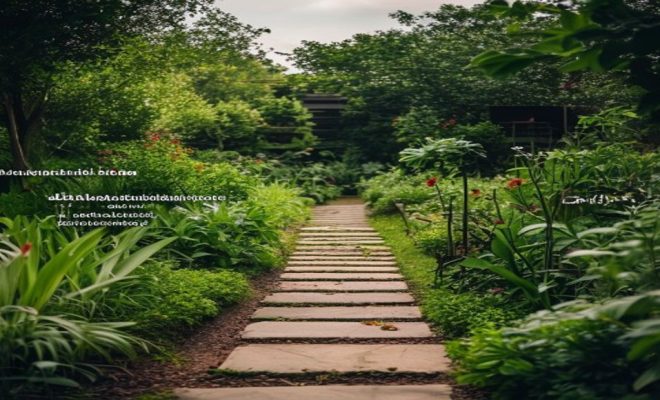
Creating a garden path isn’t just about aesthetics; it’s about enhancing the functionality and experience of your outdoor space. A well-designed garden path guides visitors through your garden, inviting exploration and adding charm. In this comprehensive guide, we’ll go through the essential elements of garden path design, offering insights, tips, and inspiration for crafting paths that elevate your garden’s appeal.
1. Understanding Garden Path Design
Garden path design is an integral aspect of landscaping that involves the thoughtful placement and materials used to create walkways in outdoor spaces. These paths serve multiple purposes: they provide access, create a sense of direction, and enhance the overall aesthetic of the garden. Whether you want a rustic feel with gravel and stone or a sleek modern vibe with concrete, the design of your garden path can dramatically influence the character of your outdoor area.
Moreover, garden paths help define spaces within a garden. They can separate different areas like flower beds and vegetable patches, leading visitors on a journey through your plants. By integrating practical considerations with creative design, you can create paths that not only look great but are also functional and durable.
2. Key Elements of Garden Path Design
When designing a garden path, several key elements come into play. First, consider the material you want to use. Common options include stone, gravel, wood, brick, and concrete. Each material has its unique advantages and can evoke different styles. For instance, natural stone offers a rustic appeal, while concrete can provide a modern touch.
Next, think about the width of the path. A narrow path may be charming in a cottage garden, while a wider one is preferable in a more formal landscape. You should also contemplate the path’s layout; winding paths offer a casual feel, while straight paths can lend a more structured appearance. Don’t overlook the importance of lighting as well; well-placed lights can enhance safety while highlighting features of both the path and the surrounding garden.
3. Choosing the Right Materials
The selection of materials is crucial when creating your garden path. Each material has its characteristics that can affect the path’s durability, maintenance, and visual appeal. Here are a few popular choices:
- Gravel: Inexpensive and easy to install, gravel paths can be raked into shape and are available in various colors. However, they may require regular replenishing.
- Flagstone: This natural stone is durable and provides a rustic look. It can be set in sand or mortar, creating a stable surface.
- Concrete: Highly versatile, concrete can be molded into any shape and colored to match your garden’s style. Stamped concrete can add texture and pattern.
- Wood: Wooden paths can create a warm, organic feel but may be prone to rot unless treated properly. They work well in shaded areas.
Each material comes with its pros and cons, so consider the local climate and your garden’s overall style when choosing the right one for your garden path design.
4. Planning Your Path Layout
The layout of your garden path is just as important as the materials you choose. A well-planned path should take into consideration the natural flow of the garden and the areas you want to highlight. For example, if you have a beautiful focal point, such as a fountain or a flowering tree, your path should lead toward it, drawing visitors in.
Consider the topography of your garden as well. If your garden has slopes or uneven terrain, you may need to incorporate steps or ramps into your path design. A winding path can also soften the appearance of a steep slope, allowing visitors to enjoy the journey rather than just the destination.
5. Incorporating Natural Elements
Integrating natural elements into your garden path can enhance its beauty while blending it seamlessly into the landscape. Consider using plants to flank the path, such as low-growing shrubs, flowering plants, or ornamental grasses. These can add color and texture while softening the edges of the path. (See: Landscape design principles.)
Moreover, think about adding decorative stones or mulch in between the path and the surrounding garden. These materials can help define the path’s edges while providing a natural look that complements the rest of your garden. Additionally, incorporating water features, like a small pond or fountain, can create a soothing soundscape that enhances the overall experience.
6. Lighting Your Garden Path
Proper lighting is essential for safety and ambiance. As the sun sets, a well-lit garden path can illuminate the way, making it easier for guests to navigate your outdoor space. There are various lighting options to consider, including solar-powered lights, string lights, and lanterns.
Solar lights are an eco-friendly option that charges during the day and lights up automatically at night. They come in various designs, from sleek and modern to whimsical. String lights can add a magical touch, perfect for evening gatherings. Additionally, lanterns can be strategically placed along the path for an inviting glow that enhances the garden’s evening aesthetics.
7. Maintenance Considerations
Once your garden path is in place, it’s important to consider ongoing maintenance. Different materials require different levels of upkeep. For example, gravel paths will need raking and replenishing every few years, while stone paths may require occasional weeding.
Concrete paths, while durable, may need sealing every few years to protect against stains and weathering. Wooden paths require regular treatment against moisture and insects. By planning for maintenance, you can ensure that your garden path remains beautiful and functional for years to come.
8. Examples of Inspiring Garden Path Designs
To help you envision your ideal garden path, consider these inspiring examples:
- Curved Gravel Path: A winding gravel path that meanders through a flower garden allows for a natural feel, guiding visitors through bursts of color.
- Flagstone Walkway: A pathway made of irregular flagstones surrounded by low-growing flowers creates a rustic charm.
- Wooden Slat Path: Wooden slats arranged in a zigzag pattern can provide a modern touch while integrating with a natural setting.
- Concrete Pavers: Modular concrete pavers can be arranged in various patterns, allowing for creative expression while ensuring stability.
These examples show that the possibilities for garden path design are virtually limitless. Whether you prefer a casual look or something more formal, there’s a path to suit every style.
9. Budgeting for Your Project
Establishing a budget is a crucial step in your garden path design process. Costs can vary significantly based on the materials you choose, the size of the path, and whether you hire a professional or take on the project yourself. Gravel and mulch are typically among the least expensive options, while natural stone and brick can be more costly.
When budgeting, don’t forget to factor in hidden costs such as tools, soil preparation, and possible hiring of professionals if needed. If you’re on a tight budget, consider starting small—perhaps a short path leading to a seating area—and expand as funds allow.
10. Current Trends in Garden Path Design
As with any aspect of design, garden path styles evolve over time. Currently, sustainable practices and materials are at the forefront of landscape design. Eco-friendly options such as permeable pavers that allow for water drainage are gaining popularity. Additionally, paths that incorporate native plants or materials sourced locally are on the rise, emphasizing a connection to the surrounding environment. (See: Impact of garden design on well-being.)
Another trending design element is the use of color. Garden paths no longer need to be merely functional; they can be bold statements that complement the overall color scheme of the garden. Brightly colored stones, patterned tiles, or even painted concrete can add an unexpected splash of vibrancy to your outdoor space.
By staying informed about current trends and embracing innovative ideas, your garden path can resonate with modern sensibilities while remaining a timeless feature of your landscape.
11. Seasonal Considerations for Garden Path Design
When planning your garden path, it’s essential to consider how seasonal changes may impact its appearance and usability. In regions with cold winters, snow and ice can make certain materials like gravel or wood slippery. Using non-slip treatments or incorporating features like heated paths can be beneficial. On the other hand, warm weather can cause some materials, such as wood, to warp or crack if not treated properly.
In addition, think about how plants will interact with your path throughout different seasons. Flowering plants may look stunning in spring, but their foliage could obstruct the path during summer. Select low-maintenance plants that can withstand seasonal changes and remain visually appealing year-round.
12. Expert Insights on Garden Path Design
To gain a deeper understanding of garden path design, we spoke with landscape architects who emphasized the importance of creating a cohesive vision. “A path should feel like a natural extension of the garden rather than an afterthought,” says Jane Thompson, a landscape designer based in Oregon. “Start with the end in mind. Consider where you want to guide visitors and design your path to enhance that journey.”
Furthermore, experts recommend choosing materials that not only match the garden’s style but also complement the surrounding architecture. For example, contemporary homes may benefit from sleek, linear paths made of concrete or porcelain, while traditional homes can look stunning with rustic stone paths interspersed with creeping plants.
13. Comparing Different Path Designs
Not all garden paths are created equal. Depending on your garden’s purpose and the desired aesthetic, different designs can create vastly different experiences. Let’s compare a few popular garden path styles:
- Formal Paths: These paths often feature straight lines and symmetrical designs. Think of brick paths laid in alternating patterns. This style is ideal for gardens that are meticulously landscaped, as it reinforces order and structure.
- Informal Paths: Winding gravel paths that meander through a naturalistic garden evoke a sense of exploration and whimsy. This style is perfect for cottage gardens or spaces designed to feel relaxed and inviting.
- Eco-Friendly Paths: These paths utilize sustainable materials such as reclaimed wood or permeable paving, which allows water to permeate the ground. This approach not only looks beautiful but helps manage water runoff effectively.
By understanding the strengths and weaknesses of each style, you can choose a path design that resonates with your garden’s overall theme while serving its functional needs.
14. Frequently Asked Questions (FAQ)
What is the ideal width for a garden path?
The ideal width largely depends on the use of the path. A width of 3 to 4 feet is generally recommended for paths that will accommodate multiple people walking side by side. However, narrower paths can work well in more intimate settings, especially when surrounded by lush plantings. (See: Benefits of parks and green spaces.)
How do I prevent weeds from growing in my garden path?
To reduce weed growth, consider using a weed barrier fabric beneath your path materials. Additionally, regular maintenance, such as pulling weeds or applying mulch, can help keep your path looking pristine.
Can I create a garden path on a slope?
Yes! Paths on slopes can be designed effectively with the use of steps or retaining walls. Incorporating a winding layout can help reduce the steepness and make the path more user-friendly.
What materials should I avoid for a garden path?
While many materials can work well, avoid materials that can easily shift or wash away, like loose soil or sand. These can create uneven surfaces. Additionally, avoid untreated wood in areas prone to moisture, as it can decay quickly.
Are there any specific plants that work well along a garden path?
Yes! When selecting plants for your garden path, consider using ground cover plants like creeping thyme, which can withstand foot traffic and offer delightful scents. Other excellent choices include low-growing sedums, ornamental grasses, and flowering perennials such as dwarf asters or daylilies. These plants can add color and texture while being resilient.
How can I ensure my garden path is sustainable?
To create a sustainable garden path, opt for materials that are eco-friendly, like recycled bricks or permeable pavers. Incorporate native plants that require less water and maintenance. Additionally, consider a layout that minimizes soil erosion and promotes natural water drainage.
What design features can enhance the experience of walking along a garden path?
Incorporating sensory elements such as fragrant plants, textured surfaces, and even sound elements like wind chimes or flowing water can enhance the experience. Consider adding seating areas along the path to invite rest and reflection, or installing decorative elements like arches or trellises that create visual interest.
Creating a garden path is a rewarding endeavor that marries functionality with design. Whether you prefer a classic approach or something more avant-garde, the key is to embrace your personal style while considering the unique characteristics of your garden. With careful planning and creativity, your garden path can become a cherished element of your outdoor sanctuary.
“`
Trending Now
Frequently Asked Questions
What materials are best for a garden path?
Common materials for garden paths include stone, gravel, wood, brick, and concrete. Each material offers unique advantages and can enhance different styles. For instance, natural stone provides a rustic feel, while concrete can create a modern look.
How wide should a garden path be?
The width of a garden path depends on its intended use and the overall design of your garden. A narrow path can be charming in a cottage garden, while a wider path is more suitable for formal landscapes, allowing for easier movement.
What is the purpose of a garden path?
A garden path serves multiple purposes: it provides access, creates a sense of direction, and enhances the garden's aesthetic. Additionally, it can help define spaces within the garden, guiding visitors through different areas.
How do I design a garden path?
To design a garden path, consider materials, width, and layout. Choose a material that suits your garden style, decide on a width that accommodates your needs, and determine whether a winding or straight path aligns with your design vision.
Can a garden path be functional and aesthetic?
Yes, a garden path can be both functional and aesthetic. By integrating practical considerations like durability and access with creative design elements, you can create a path that enhances the overall charm and usability of your outdoor space.
What’s your take on this? Share your thoughts in the comments below — we read every one.