This Robotic Blood Draw Device Just Got FDA Approval — Here’s How It Will Change Hospitals Forever
“`html
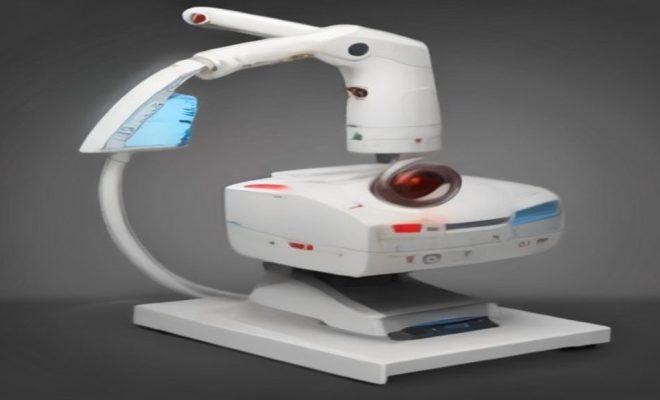
Imagine walking into a clinic, needing a blood test, and instead of a human phlebotomist, a sleek, intelligent robotic blood draw device gently extends an arm, locates your vein, and performs the procedure with pinpoint accuracy. For many, that scenario might sound like something out of a futuristic sci-fi film. But as of August 19, 2026, this future is officially here. The U.S. Food and Drug Administration (FDA) has granted authorization to the Aletta, a truly groundbreaking standalone robotic blood draw device designed to handle the entire venipuncture process without direct human intervention. This isn’t just a minor improvement; it’s a seismic shift in how routine medical procedures are conducted, and it promises to reshape healthcare efficiency, patient experience, and even the very workforce that underpins our medical system.
The Aletta’s authorization marks a significant milestone, not only for the company behind it but for the entire medical technology landscape. It’s the first device of its kind to receive such a green light, signaling a new era of automation in clinical settings. The buzz around this development is palpable, and for good reason. It taps directly into the high-stakes, high-impact medical and healthcare niche, opening up fascinating discussions about the future of medical automation, the critical need for innovation, and the investment opportunities in healthcare technology. Let’s dig into what this means for patients, practitioners, and the broader healthcare ecosystem.
The Aletta: A Closer Look at the Robotic Blood Draw Device’s Capabilities
So, what exactly does the Aletta do? Fundamentally, it’s engineered to replicate and even enhance the steps a human phlebotomist takes during a blood draw. Think about the typical process: identifying the patient, sanitizing the site, finding a suitable vein, inserting the needle, collecting the sample, and then safely withdrawing the needle and applying pressure. The Aletta handles all of this autonomously. This isn’t a partial assist; it’s a complete, start-to-finish automated venipuncture system.
The device leverages advanced imaging and AI to locate veins with remarkable precision. This is a crucial differentiator, as vein access can be a significant challenge for human phlebotomists, particularly with patients who have difficult-to-find veins due to various medical conditions, age, or hydration levels. Once a suitable vein is identified, the robotic arm carefully positions and inserts the needle. The system then monitors the blood flow and collects the necessary samples into pre-loaded tubes. After collection, it retracts the needle and applies a dressing or pressure as needed. This level of autonomy is what makes the Aletta a true game-changer, moving beyond mere robotic assistance to full procedural execution.
Let’s get a bit more technical about the imaging. The Aletta often employs near-infrared (NIR) light technology. This isn’t new in itself; vein finders using NIR have been around for a while, helping phlebotomists visualize veins under the skin. What’s different here is how the Aletta integrates this imaging with sophisticated AI algorithms and robotic control. The NIR light is absorbed by deoxygenated hemoglobin in the blood, making veins appear as dark lines against lighter tissue on a projected image. The AI then processes this real-time visual data, not just to show where the veins are, but to precisely map their depth, diameter, and trajectory. This allows the robotic arm to calculate the optimal insertion point and angle, minimizing guesswork and maximizing the chance of a successful first stick. It’s like having a super-powered, always-on vein finder directly guiding the needle, with millimetric accuracy.
Addressing the Phlebotomist Shortage: A Timely Solution
One of the most compelling reasons behind the FDA’s authorization of this robotic blood draw device is the critical and escalating shortage of trained phlebotomists across the United States. Healthcare systems, already stretched thin by an aging population and increasing demand for services, are finding it harder and harder to staff essential roles. Phlebotomists, while often overlooked in the grand scheme of medical professions, are absolutely vital. Without them, countless diagnostic tests can’t be performed, leading to delays in diagnosis and treatment.
This shortage isn’t just an inconvenience; it’s a significant bottleneck in healthcare delivery. Hospitals and clinics face longer wait times for patients, increased stress on existing staff, and sometimes, even a compromise in the quality of care. The Aletta offers a pragmatic solution. Instead of replacing phlebotomists entirely, it allows existing staff to become supervisors. One trained phlebotomist can oversee up to three Aletta devices simultaneously in outpatient settings. This dramatically increases their productivity and frees them up for more complex cases, patient education, or other critical tasks that still require the human touch. It’s about leveraging technology to amplify human capability, not diminish it.
Consider the statistics. Pre-pandemic, the U.S. Bureau of Labor Statistics projected a 17% growth in phlebotomist jobs between 2019 and 2029, much faster than the average for all occupations. However, this growth has been outpaced by attrition, burnout, and an aging workforce. Many experienced phlebotomists are retiring, and the pipeline of new graduates isn’t sufficient to fill the gap. In some regions, clinics report vacancy rates exceeding 20% for phlebotomy positions. This translates directly to delayed patient care, as blood samples are crucial for diagnosing everything from diabetes to cancer. The Aletta isn’t just a convenience; it’s becoming a necessity to maintain the basic functionality of diagnostic services, especially in rural areas or underserved communities where staffing challenges are even more pronounced.
Improving Patient Experience: Less Pain, More Precision?
Let’s be honest: no one enjoys getting their blood drawn. The anxiety of a needle stick, the potential for multiple attempts, and the occasional bruising can make it an unpleasant experience. This is where a robotic blood draw device like the Aletta truly has the potential to shine. While some might initially be wary of a robot, the promise of higher precision and potentially less discomfort is a powerful draw.
Human error, however minimal, is an inherent part of any manual procedure. Factors like a phlebotomist’s experience level, patient anxiety, or difficult venous access can all contribute to a less-than-ideal blood draw. The Aletta, with its sophisticated imaging and algorithmic precision, is designed to minimize these variables. Its ability to accurately locate the optimal vein on the first attempt could significantly reduce the need for repeat sticks, which is a major source of patient discomfort and anxiety. Imagine a future where blood draws are consistently quick, efficient, and, dare I say, almost painless. That’s the promise the Aletta brings to the patient experience. (See: U.S. Food and Drug Administration.)
Think about specific patient populations. Children, the elderly, and individuals undergoing chemotherapy often have particularly fragile or difficult-to-access veins. For these groups, a single, precise stick from a robotic blood draw device could dramatically improve their experience and reduce trauma. The psychological impact of repeated failed attempts can be significant, especially for pediatric patients who may develop a lasting fear of needles. By consistently achieving first-stick success, the Aletta can help alleviate this “needle phobia” and make routine medical care less intimidating. The device’s consistent, gentle approach also minimizes tissue damage, which can lead to less bruising and faster recovery, another subtle but important improvement for patient comfort.
The Economic Impact and ROI for Healthcare Providers
Beyond the immediate benefits to staffing and patient care, the economic implications of a robotic blood draw device like the Aletta are substantial. Healthcare providers are constantly looking for ways to improve efficiency and reduce operational costs without sacrificing quality. Investing in advanced automation like the Aletta could offer a compelling return on investment (ROI).
Consider the cost savings associated with reduced staffing needs, even if it’s just a reallocation of labor. If one phlebotomist can supervise three devices, that’s effectively tripling their output for routine draws. This means more patients can be seen in the same amount of time, reducing waitlists and increasing throughput in busy clinics and labs. Furthermore, fewer failed blood draws mean less wasted supplies (needles, tubes, bandages) and less time spent by staff on repeat procedures. The initial capital investment for such a device will be significant, of course, but the long-term operational efficiencies and improved patient satisfaction could easily justify the expense, especially in high-volume outpatient settings where blood draws are a daily occurrence for hundreds of patients.
Let’s break down the ROI a bit more. The average cost of a single blood draw, when accounting for phlebotomist wages, supplies, and overhead, can range from $15 to $30. If a robotic blood draw device can reduce the number of failed draws by even a modest percentage (say, from 10% to 2%), the savings on wasted supplies and staff time quickly add up, especially in a clinic performing hundreds of draws daily. Over a year, this can amount to tens of thousands of dollars. Then there’s the indirect economic benefit: increased patient satisfaction often translates to better patient retention and a positive reputation for the facility. In a competitive healthcare market, this can be a significant differentiator. While the upfront cost of an Aletta might be in the six figures, its operational lifespan and the cumulative savings could see it pay for itself within a few years, particularly for facilities with high patient volumes.
Safety and Accuracy: The FDA’s Rigorous Authorization Process
Anytime we talk about autonomous medical devices, safety is paramount. The FDA’s authorization of the Aletta is not a casual endorsement; it’s the result of a rigorous evaluation process designed to ensure the device is both safe and effective. This process typically involves extensive clinical trials, performance data analysis, and a thorough review of the device’s design, manufacturing, and quality control systems.
For a robotic blood draw device, the FDA would have scrutinized several key areas: the accuracy of vein detection, the precision of needle insertion, the sterile integrity of the process, and the device’s ability to handle unexpected patient movements or anatomical variations. The fact that the Aletta received this authorization speaks volumes about its demonstrated safety and accuracy. It means the data presented to the FDA showed that the robot could perform venipuncture with a level of reliability and safety comparable to, or even exceeding, that of a human phlebotomist in controlled settings. This rigorous vetting is essential for building trust in new medical technologies, particularly those that involve direct patient contact and critical diagnostic information.
Expert perspectives on FDA authorization emphasize the multi-stage process. First, there’s often preclinical testing, where the device undergoes extensive lab and animal studies to prove its basic safety and functionality. Then come the human clinical trials, which are typically divided into phases. Early phases might involve a small group of healthy volunteers to assess basic safety and performance. Later phases expand to a larger, more diverse patient population, comparing the robotic blood draw device’s performance against manual venipuncture. Key metrics include first-stick success rate, pain scores reported by patients, incidence of complications (like hematoma or nerve injury), and throughput. The FDA doesn’t just look at the raw numbers; they assess the statistical significance, the design of the trials, and the potential biases. This comprehensive approach ensures that when a device like the Aletta gets the green light, it has truly earned its stripes through robust scientific validation.
Beyond Blood Draws: The Future of Medical Automation
The Aletta isn’t just about blood draws; it’s a harbinger of a broader trend: the increasing automation of routine medical procedures. If a robotic blood draw device can successfully perform venipuncture, what other tasks could be next? We’re already seeing robots in surgery, medication dispensing, and logistical support within hospitals. This authorization opens the door for even more sophisticated autonomous systems to enter clinical practice.
Imagine robots performing routine injections, administering vaccines, or even assisting with wound care. The implications are vast. It could free up nurses and doctors from repetitive, time-consuming tasks, allowing them to focus on complex diagnoses, critical care, and the truly human aspects of medicine—empathy, communication, and holistic patient management. This shift will undoubtedly lead to new job roles in healthcare, focusing on supervising, maintaining, and programming these advanced machines, rather than performing the manual tasks themselves.
Consider the potential for remote healthcare. A robotic blood draw device could be deployed in remote clinics or even in patients’ homes, supervised remotely by a phlebotomist or nurse. This could dramatically expand access to diagnostic testing for individuals who live far from medical facilities or have mobility issues. We’re also seeing advances in robotic ultrasound for remote diagnostics, robotic endoscopy for less invasive procedures, and even AI-powered diagnostic imaging analysis. The Aletta is a crucial step in building patient and clinician trust in these autonomous systems, paving the way for a more distributed, accessible, and efficient healthcare model where geographical barriers become less of an impediment to care.
Ethical Considerations and the Human Element
Of course, with any major technological leap, ethical considerations inevitably arise. The introduction of a robotic blood draw device, while offering clear benefits, also prompts questions about the role of human touch in healthcare. Will patients feel less cared for if their interactions are increasingly with machines? What happens in cases where a machine malfunctions, or a patient has an adverse reaction? (See: National Institutes of Health.)
These are valid concerns that need to be addressed thoughtfully. The goal isn’t to eliminate human interaction entirely, but to optimize it. For many, the efficiency and reduced discomfort offered by a robotic system might outweigh the desire for human contact during a simple blood draw. However, for others, particularly those who are anxious or frail, the reassuring presence of a human caregiver will always be invaluable. The key will be finding the right balance, using automation where it offers clear advantages, while preserving and enhancing the human element where it matters most. Training human phlebotomists to oversee these devices, rather than being replaced by them, is a crucial step in maintaining that balance.
This balance requires careful consideration of patient preferences and autonomy. Some patients might explicitly prefer a human phlebotomist, and clinics should ideally offer that option where feasible. Informed consent procedures will need to be updated to clearly explain the robotic blood draw device’s operation, its benefits, and any potential risks. Transparency is key. Moreover, the ethical framework extends to data privacy and security, especially since these devices collect sensitive patient information (like vein maps). Ensuring robust cybersecurity measures and clear policies for data handling will be critical to maintaining patient trust and preventing misuse of medical data. The human element, in this context, shifts from manual execution to oversight, empathy, and ethical stewardship of advanced technology.
Investment and Innovation in Healthcare Technology
The FDA’s authorization of the Aletta also sends a powerful signal to the investment community and healthcare technology innovators. It validates the market for advanced medical automation and highlights the potential for significant returns in this space. Companies developing AI-powered diagnostics, robotic surgical assistants, or even smart hospital infrastructure will likely see renewed interest and investment.
This is a high-growth sector, and the success of the Aletta could spur further research and development into other areas where automation can improve patient outcomes and operational efficiency. We can expect to see more venture capital flowing into startups focused on medical device reviews, regulatory navigation for novel technologies, and integrated healthcare solutions. For investors, this marks a clear indication that the regulatory hurdles for truly autonomous medical devices are surmountable, paving the way for a wave of innovation that could redefine healthcare delivery over the next decade.
Venture capitalists and angel investors are constantly looking for disruptive technologies that can solve pressing problems in large markets. The healthcare market, with its inherent inefficiencies and rising costs, is ripe for disruption. The Aletta’s success demonstrates that even highly sensitive, patient-facing procedures can be automated safely and effectively. This will likely de-risk investments in similar “last mile” automation in healthcare – technologies that directly interact with patients to deliver care or collect data. We’ll see more emphasis on intelligent robotics that can navigate complex real-world environments and interact safely with humans, driving innovation in sensor technology, haptics, and artificial intelligence for medical applications. The competition in this space will intensify, leading to even more refined and specialized robotic solutions.
The Road Ahead: Integration and Adaptation
While the FDA authorization is a monumental step, the journey for the Aletta and similar robotic blood draw devices is far from over. The next phase will involve widespread integration into diverse clinical environments, from large hospital systems to small outpatient clinics. This will require not only the physical installation of the devices but also the training of staff, the development of robust maintenance protocols, and the establishment of clear operational guidelines.
Healthcare providers will need to adapt their workflows, and patients will need to become accustomed to this new mode of care. There will undoubtedly be initial challenges, learning curves, and perhaps even some resistance. However, the compelling advantages in terms of efficiency, precision, and addressing critical staffing shortages suggest that the Aletta is poised to become an indispensable tool in modern healthcare. It’s an exciting time to witness the transformation of medical practice, driven by intelligent machines working in concert with skilled human professionals.
Addressing Common Concerns and Misconceptions
As with any new technology, especially one that directly interacts with patients, there are often understandable concerns and misconceptions. Let’s tackle a few common ones about the robotic blood draw device:
“Will robots completely replace human phlebotomists?”
No, not entirely. The current model, exemplified by the Aletta, envisions human phlebotomists transitioning to a supervisory role. Instead of performing every blood draw, they’ll oversee multiple robotic blood draw devices, step in for complex cases, handle patient education, and provide the crucial human empathy that machines can’t replicate. It’s about augmenting, not replacing, the workforce.
“Is it safe? What if the robot malfunctions?”
Safety is the paramount concern in medical device development. The FDA’s rigorous authorization process means the Aletta has undergone extensive testing to ensure its safety and reliability. These devices typically have multiple layers of safety protocols, emergency stop features, and continuous self-monitoring. A human supervisor is always present to intervene if necessary, and strict maintenance schedules minimize the risk of malfunction. (See: Scientific research on medical automation.)
“Will it hurt more or less than a human phlebotomist?”
The goal is less pain. The robotic blood draw device uses advanced imaging and AI to precisely locate the optimal vein, aiming for a first-stick success rate that often surpasses human averages, especially for difficult veins. This precision is designed to reduce the need for multiple sticks, which is a major source of pain and anxiety for patients.
“What about patients with very difficult veins or special needs?”
While the robotic blood draw device is highly capable, human phlebotomists will remain essential for the most challenging cases, such as patients with collapsed veins, extreme anxiety, or specific medical conditions that require nuanced human judgment. The Aletta is designed for routine venipuncture, freeing up human experts for these more complex situations.
“How will this impact healthcare costs?”
While there’s an initial investment, the long-term impact is expected to be cost-reducing. By improving efficiency, reducing staff strain, minimizing wasted supplies from failed draws, and increasing patient throughput, the robotic blood draw device can help clinics and hospitals operate more economically. These savings can then be passed on or reinvested into other areas of patient care. Related reading: AI cancer detection tool.
Comparative Analysis: Robotic vs. Manual Venipuncture
To truly understand the impact of a robotic blood draw device, it’s helpful to look at a direct comparison with traditional manual venipuncture. This isn’t about declaring one definitively “better” in every scenario, but rather highlighting the strengths of each.
Precision and First-Stick Success:
- Robotic: High precision due to advanced imaging (NIR, ultrasound) and AI algorithms. Aims for near 100% first-stick success in suitable veins. Minimizes variability from human fatigue or experience levels.
- Manual: Varies significantly based on phlebotomist skill, experience, patient factors (vein visibility, anxiety), and environmental conditions. Average first-stick success rates in hospitals can range from 70-90%, but drop considerably for difficult patients.
Patient Comfort and Anxiety:
- Robotic: Potential for reduced pain and anxiety due to consistent precision and fewer multiple sticks. Some patients may initially feel apprehension about a machine, but this often subsides with positive experiences.
- Manual: Can cause anxiety for needle-phobic patients, and multiple sticks increase discomfort. However, a skilled and empathetic phlebotomist can provide significant reassurance and comfort that a machine cannot.
Efficiency and Throughput:
- Robotic: Can operate consistently and quickly once set up, increasing patient throughput, especially when supervised by a single phlebotomist overseeing multiple devices. Reduces waiting times.
- Manual: Limited by human speed and individual workload. Each draw takes a specific amount of time, and phlebotomists can only handle one patient at a time.
Staffing and Workforce Impact:
- Robotic: Addresses phlebotomist shortages by augmenting staff, allowing human phlebotomists to supervise more procedures and focus on complex cases. Shifts job roles towards oversight and technical support.
- Manual: Requires a direct human-to-patient ratio, making staffing shortages a direct bottleneck to patient care.
Sterility and Infection Control:
- Robotic: Designed with sterile, disposable components for each draw, minimizing cross-contamination risks through standardized, repeatable procedures.
- Manual: Relies on strict adherence to sterile protocols by human staff, with a slight potential for human error in technique.
Cost Implications:
- Robotic: High initial capital investment, but potential for significant long-term operational savings through efficiency, reduced waste, and optimized staffing.
- Manual: Lower initial capital cost, but ongoing operational costs tied directly to labor, supplies, and potential inefficiencies from repeat procedures.
Ultimately, the robotic blood draw device isn’t a replacement for manual venipuncture but rather a powerful complement. It’s best suited for high-volume, routine draws, freeing up human experts for the cases where their unique skills and human touch are truly indispensable.
Conclusion: A New Chapter in Patient Care
The FDA authorization of the Aletta as a standalone robotic blood draw device isn’t just a technological achievement; it’s a pivotal moment in healthcare evolution. It signals a future where precision, efficiency, and patient comfort are enhanced through intelligent automation. While the human element in medicine will always be irreplaceable, the Aletta demonstrates how technology can empower healthcare professionals, alleviate systemic pressures, and ultimately, improve the experience and outcomes for millions of patients.
The road ahead involves careful integration, continuous refinement, and ongoing dialogue about the optimal balance between human and machine. But one thing is clear: the era of the robotic blood draw device has arrived, promising a healthier, more efficient, and perhaps even less painful future for everyone.
“`
Trending Now
Frequently Asked Questions
What is the Aletta robotic blood draw device?
The Aletta is a groundbreaking robotic blood draw device that performs the entire venipuncture process autonomously. Approved by the FDA on August 19, 2026, it locates veins and draws blood with precision, aiming to enhance patient experience and healthcare efficiency.
How does the Aletta robotic device work?
The Aletta replicates the steps of a human phlebotomist, including identifying the patient, sanitizing the site, locating a vein, inserting the needle, and collecting the blood sample, all without direct human intervention, ensuring accuracy and safety.
What are the benefits of using a robotic blood draw device?
The Aletta offers numerous benefits, including improved accuracy in blood draws, reduced wait times for patients, and the potential to alleviate the workload of healthcare professionals, thereby reshaping the efficiency of clinical settings.
What does FDA approval mean for the Aletta device?
FDA approval signifies that the Aletta has met rigorous safety and efficacy standards, allowing it to be used in clinical settings. This landmark approval marks a new era of automation in healthcare technology, paving the way for future innovations.
How will the Aletta change the future of hospitals?
The Aletta is set to transform hospitals by automating routine blood draws, which can enhance patient experience, streamline operations, and potentially change the dynamics of the healthcare workforce, leading to a more efficient medical system.
What did we miss? Let us know in the comments and join the conversation.