Mastering Discount Codes: Your Guide to Boosting E-commerce Sales
“`html
1. The Importance of Discount Codes in E-Commerce
In today’s competitive e-commerce landscape, discount codes have become crucial tools for driving sales and attracting new customers. Retailers leverage discount codes not only to incentivize purchases but also to enhance customer loyalty and improve brand visibility. According to a study from RetailMeNot, around 80% of consumers search for discount codes before making a purchase, highlighting their significant role in influencing buying decisions.
Discount codes can take various forms, including percentage discounts, fixed amount reductions, free shipping offers, and limited-time promotions. Each type has its own strategic value depending on the marketing goals of the business. Understanding how to effectively create these codes can help businesses maximize their promotional efforts and reach their target audience more effectively.
2. Types of Discount Codes
When you’re looking to create discount codes, it’s essential to know the different types available and how they can serve various purposes:
- Percentage Off: A common type of discount that provides a percentage off the total purchase price. For instance, a 20% off code can be an attractive incentive for customers.
- Fixed Amount Off: This type offers a specific dollar amount off, such as $10 off a purchase of $50 or more. It’s a straightforward way to encourage larger purchases.
- Free Shipping: Often a popular choice among consumers, free shipping discounts can be offered on orders above a certain amount, which can increase the average order value.
- Bogo (Buy One, Get One): This type of promotion encourages additional purchases, as customers will buy one item and receive another for free or at a discount.
- Seasonal or Holiday Discounts: Tailored promotions during holidays or special seasons can create urgency and enhance sales during peak periods.
- Loyalty Discounts: Rewarding repeat customers with exclusive codes can enhance customer retention and increase lifetime value.
Choosing the right type of discount code depends on the specific goals of your campaign and the preferences of your target audience.
3. Understanding Your Target Audience
Before diving into how to create discount codes, understanding your audience is critical. Knowing who your customers are, what they value, and their purchasing habits can help shape your discount strategy. Engage with your customers through surveys or analyze their shopping behavior using tools like Google Analytics.
For example, if you notice that your audience skews younger, digital-first discount codes sent via social media platforms might be more effective than traditional email campaigns. Tailoring your discount offerings to align with customer expectations can significantly enhance their effectiveness.
Additionally, consider segmenting your audience based on demographics and purchasing behavior. For instance, first-time buyers might respond better to a straightforward discount, whereas loyal customers may appreciate exclusive offers or loyalty discounts aimed at rewarding their continued patronage.
4. Choosing the Right Platform for Discount Codes
To effectively create discount codes, selecting the right e-commerce platform is vital. Most major platforms like Shopify, WooCommerce, and Magento have built-in functionalities to generate and manage discount codes. Here’s a brief overview of their capabilities: (See: Youth Risk Behavior Survey data.)
- Shopify: Offers a user-friendly interface for generating discount codes. You can create various types of codes, set expiration dates, and limit usage by customer or order value.
- WooCommerce: This plugin for WordPress provides robust tools for creating flexible discount codes, including percentage discounts, fixed amounts, and free shipping options.
- Magento: Known for its advanced e-commerce capabilities, Magento allows businesses to create custom discount codes that can be tailored to specific marketing strategies.
- BigCommerce: This platform simplifies discount code creation and allows for various promotional techniques, including bulk discounts and gift card promotions.
- Squarespace: For those with a more design-oriented approach, Squarespace offers integrated discount code functionalities that focus on aesthetics and ease of use.
Choosing a platform that aligns with your business size and structure can significantly streamline the process of creating and managing discount codes. Always ensure the platform’s features meet your specific promotional needs, as this will ultimately affect your ability to engage customers effectively.
5. Steps to Create Discount Codes
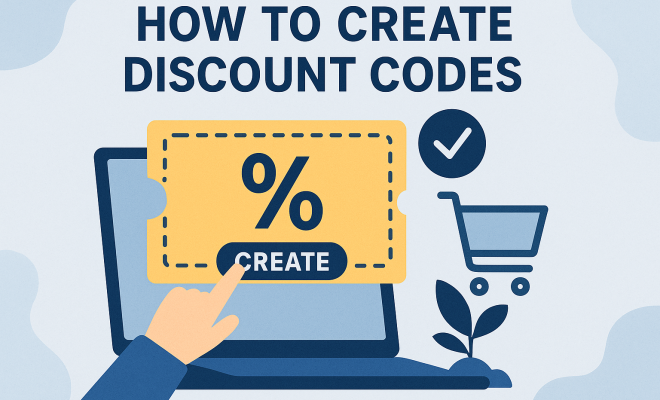
Ready to create discount codes? Here are some practical steps to guide you through the process:
- Log into Your E-Commerce Dashboard: Access your e-commerce platform’s administration panel and navigate to the discounts or promotions section.
- Select the Type of Discount: Decide on the type of discount you want to offer (percentage off, fixed amount, free shipping, etc.) and choose the appropriate option from the menu.
- Set the Discount Parameters: Define the discount amount, usage limits, expiration dates, and any customer eligibility requirements you want to enforce. Be specific about whether the code applies to all users or only to new customers.
- Generate the Code: Create a memorable and easy-to-enter code. Make sure it’s user-friendly to avoid customer frustration. Avoid using complicated strings of letters and numbers that can confuse customers.
- Test the Code: Before launching, run a test to ensure the discount code applies correctly during the checkout process. This can help identify any issues before the code goes live.
- Promote Your Discount Code: Share the discount code through your marketing channels, such as email newsletters, social media, and on your website. Use engaging visuals and clear messaging to highlight the benefits of using the code.
Following these steps will help ensure that your discount codes are effectively set up to drive sales. Remember that the launch is just the beginning; ongoing engagement with your audience is key to maximizing the impact of your discount codes.
6. Best Practices for Using Discount Codes
Creating discount codes is just the beginning. To truly maximize their effect, consider implementing these best practices:
- Set Clear Terms: Make sure the terms of use are clearly stated when you share the discount code. This includes the expiration date, minimum purchase requirements, and any restrictions.
- Incorporate Scarcity and Urgency: Limited-time codes can create a sense of urgency, encouraging customers to make quicker purchasing decisions. Use countdown timers in your promotions to emphasize urgency.
- Analyze Performance: After your campaign ends, review the performance of your discount codes. Look at metrics like redemption rates and sales volume to assess what worked and where improvements can be made.
- Experiment and Iterate: Don’t be afraid to try different approaches. Test various types of codes, different promotion channels, and even customer segments to see what resonates best.
- Utilize Retargeting Strategies: Consider using retargeting ads to reach customers who didn’t complete their purchase. Offering them a discount code can entice them back to finalize their transaction.
These practices can enhance the effectiveness of your discount codes and ensure you get the most bang for your buck. Remember, successful code implementation requires continual assessment and flexibility to adapt to changing consumer needs.
7. Leveraging Social Media for Discount Codes
Social media platforms are powerful tools for promoting discount codes. When you create discount codes, consider integrating them into your social media strategy. Here’s how:
- Engaging Content: Create eye-catching graphics or videos that showcase the discount. Engaging content is more likely to be shared, extending your reach. Consider using platforms like Instagram and TikTok, where visual storytelling can capture attention.
- Influencer Partnerships: Collaborate with influencers who align with your brand to promote your discount codes. Their endorsement can lend credibility and reach a broader audience. Choose influencers whose followers match your target demographic for maximum effectiveness.
- Exclusive Offers: Promote discount codes that are exclusive to your social media followers to cultivate loyalty. This not only drives engagement but also encourages followers to stay tuned for future promotions.
- Interactive Campaigns: Create contests and giveaways that require participants to share your post or tag friends in order to receive a discount code. This can significantly increase your reach while also generating excitement around your brand.
Social media can amplify the impact of your discount codes and create a buzz around your brand. Regularly analyze engagement metrics to refine your strategy and ensure you’re reaching the right audience.
8. Measuring the Success of Your Discount Codes
After successfully running a discount code campaign, measuring its success is crucial. Here are several metrics to consider:
- Redemption Rate: The percentage of consumers who used the code versus how many received it. A high redemption rate indicates that the offer was enticing.
- Total Revenue Generated: Analyze how much revenue was generated during the promotional period compared to previous periods. This can give you insight into the effectiveness of the discount code.
- Customer Acquisition Costs: Determine the cost involved in acquiring new customers through the discount campaign. Comparing this with the lifetime value of these customers can help assess the long-term viability of your discounts.
- Engagement Metrics: Track social media engagement, website traffic, and email open rates linked to your discount code campaigns to gauge interest and reach.
- Return on Investment (ROI): Calculate the ROI by comparing the revenue generated against the total cost spent on the campaign, including marketing and promotion expenses. This can help you understand the profitability of discount initiatives.
These metrics will help you refine future discount strategies and better understand customer behavior. Use this data to continuously improve your discount code campaigns and tailor future offers to better meet customer needs.
9. The Future of Discount Codes
As e-commerce continues to evolve, so will the ways businesses create discount codes. With advancements in technology and changing consumer preferences, we might see more personalized discount codes based on shopping behavior or preferences. AI and machine learning could play significant roles in predicting the most effective discounts for individual customers. (See: Retail market insights and trends.)
Moreover, businesses may integrate augmented reality (AR) and virtual reality (VR) experiences that incorporate discount codes, making the shopping experience more interactive. As consumer expectations shift, staying ahead of trends is crucial for maintaining competitiveness in the industry.
In addition, expect to see an increase in mobile wallet integration. Discount codes may become more accessible through mobile payment platforms like Apple Pay and Google Wallet, providing seamless redemption experiences for customers. Enhanced personalization, driven by data analytics, will also pave the way for targeted promotions tailored to individual preferences and shopping habits.
10. Common Mistakes to Avoid When Creating Discount Codes
While creating discount codes can be a great strategy for driving sales, there are common pitfalls to avoid:
- Unclear Terms: Not providing clear details about how to use the discount can lead to customer frustration. Ensure that all terms are explicitly stated.
- Overly Complicated Codes: If customers struggle to remember or enter the code, they may abandon their carts. Keep codes short and memorable.
- Not Testing the Codes: Failing to test discount codes before launching can result in errors that discourage customers from purchasing. Always test codes to ensure they work as intended.
- Ignoring Analytics: Not analyzing the results of your discount campaigns can leave you in the dark about what works and what doesn’t. Use data to inform future strategies.
- Over-Saturation: Offering discounts too frequently or without a strategy can dilute their perceived value. Use codes strategically to maintain their allure.
Avoiding these mistakes can help ensure that your discount code campaigns are effective and well-received by your target audience.
11. FAQ About Creating Discount Codes
Q1: How do I determine the best type of discount code for my business?
A1: Start by analyzing your sales goals and customer preferences. If your aim is to increase average order value, a fixed amount off may work best. For customer retention, consider loyalty discounts or exclusive offers. Testing different types can also provide insights into what resonates with your audience.
Q2: Can discount codes be used on sale items?
A2: This depends on your business’s policy. Many retailers choose to apply discount codes to full-price items only, while others allow codes to be applied to already discounted products. Clearly state your policy to avoid confusion.
Q3: Are there any legal considerations when creating discount codes?
A3: Yes, ensure that your discount codes comply with advertising laws in your region. This may include providing clear terms and conditions, honoring the discounts as promised, and not engaging in deceptive advertising practices. (See: The role of discounts in online shopping.)
Q4: How can I promote my discount codes effectively?
A4: Utilize multiple channels such as email marketing, social media platforms, and your website. Highlight the value of the discount and create urgency through limited-time offers. Engaging visuals and clear messaging can further enhance your promotional efforts.
Q5: What should I do if customers report that discount codes aren’t working?
A5: First, investigate the issue to determine if there’s a technical glitch. Communicate with customers promptly, providing them with alternative solutions or extending the discount period if necessary. Good customer service can help turn a negative experience into a positive one.
Q6: How can I track the effectiveness of my discount codes?
A6: Use analytics tools within your e-commerce platform to monitor the performance of your discount codes. Look at metrics like the number of uses, total revenue generated, and customer acquisition rates to gauge effectiveness. Tools like Google Analytics can also provide insights into customer behavior during promotional campaigns.
Q7: What are some creative ways to use discount codes?
A7: Get creative! Consider using discount codes in your email campaigns to celebrate customer anniversaries or milestones. You could also implement gamified experiences where customers earn discount codes by engaging with your brand, such as sharing content or participating in surveys.
Q8: How often should I change my discount codes?
A8: Regularly updating your discount codes can keep your offerings fresh and maintain customer interest. Consider rotating codes monthly or seasonally, but also monitor their performance to ensure you’re not overwhelming customers with too many options at once.
Discount codes are not just a promotional tactic; they are part of a larger strategy to engage customers and drive sales. By understanding the nuances of creating and managing these codes, businesses can capitalize on the benefits they offer and create loyal customer bases.
“`
Trending Now
Frequently Asked Questions
What are discount codes and why are they important?
Discount codes are promotional tools used in e-commerce to incentivize purchases and attract customers. They play a crucial role in driving sales, enhancing customer loyalty, and improving brand visibility, as around 80% of consumers actively search for them before making a purchase.
What types of discount codes can I create?
You can create various types of discount codes, including percentage off, fixed amount off, free shipping, Buy One Get One (BOGO), seasonal discounts, and loyalty discounts. Each type serves different marketing strategies and customer motivations.
How do percentage off discount codes work?
Percentage off discount codes provide a specific percentage reduction on the total purchase price. For example, a 20% off code encourages customers to buy by offering a financial incentive that can significantly enhance the attractiveness of a purchase.
What is a BOGO discount code?
A BOGO (Buy One, Get One) discount code allows customers to purchase one item and receive another for free or at a discounted price. This type of promotion encourages additional purchases and can effectively increase overall sales.
How can seasonal discounts boost sales?
Seasonal discounts are tailored promotions offered during holidays or special seasons, creating urgency among consumers. By leveraging these timely offers, businesses can enhance sales during peak periods and attract more customers looking for deals.
What’s your take on this? Share your thoughts in the comments below — we read every one.