Mastering Order Tracking: Your Complete Guide
“`html
In the digital age, where e-commerce is booming, the importance of an effective order tracking system cannot be overstated. Tracking orders has become paramount for both consumers and businesses alike. It’s not just about knowing when your package will arrive; it’s about understanding the entire journey of your order, from the moment you click ‘purchase’ to the time it lands at your doorstep. In this comprehensive guide, we’ll dive deep into how order tracking systems work, why they matter, and how you can utilize them effectively.
1. Understanding Order Tracking Systems
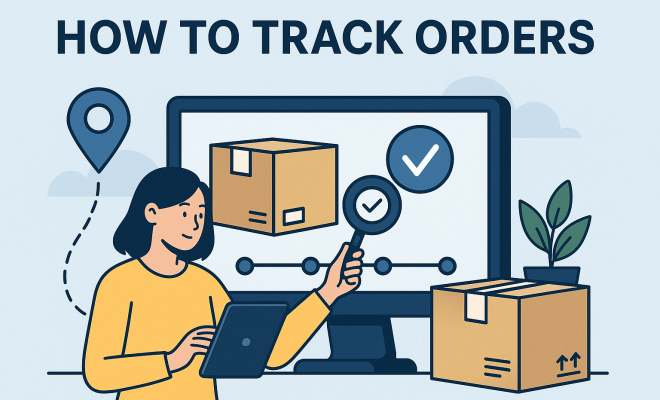
An order tracking system is a digital tool that allows consumers and retailers to monitor the status of a purchase as it moves through the supply chain. Typically, these systems provide vital information, such as the current location of the package, estimated delivery times, and tracking history. This transparency helps build trust between consumers and businesses, offering peace of mind.
Most e-commerce platforms have integrated order tracking systems as part of their services. This integration ensures that consumers can easily follow their purchases without needing to contact customer service. Major carriers like FedEx, UPS, DHL, and the United States Postal Service (USPS) offer their own tracking systems, which are often linked to retailers’ websites for a seamless experience.
2. The Evolution of Order Tracking
Order tracking systems have come a long way since their inception. Initially, tracking was limited to basic updates: shipped, in transit, and delivered. However, as technology evolved, so too did tracking capabilities. Today, sophisticated systems provide real-time updates, GPS tracking, and even alert notifications via email or mobile apps.
This evolution can be attributed to advancements in technology, particularly in data analytics and mobile communication. Businesses now leverage these technologies to create more user-friendly experiences. This not only improves customer satisfaction but also enhances operational efficiency, allowing retailers to manage their inventory and logistics more effectively.
3. How Order Tracking Works
So, how does an order tracking system work? It typically involves several key steps. First, when an order is placed, the retailer generates a unique tracking number linked to that order. This number is then transmitted to the shipping carrier, which uses it to catalog the package’s journey.
Throughout the shipping process, the carrier scans the package at various checkpoints, updating its status. These updates are relayed back to the retailer’s system and often displayed on the consumer’s order page. At any point, the consumer can enter their tracking number on the carrier’s website or app to get real-time updates on their shipment.
4. The Benefits of Using Order Tracking Systems
One of the most compelling reasons to use an order tracking system is the increased transparency it offers. Consumers can easily access information about their orders, reducing anxiety about delivery times. This can lead to higher levels of customer satisfaction, which is crucial for any business looking to retain customers.
Moreover, order tracking systems can significantly improve operational efficiency for retailers. By monitoring shipment statuses, businesses can predict delivery issues before they become problems. For instance, if a tracking system indicates a delay, the retailer can proactively communicate with the consumer, often mitigating dissatisfaction.
5. Choosing the Right Order Tracking System
Not all order tracking systems are created equal. When choosing a system, consider factors such as integration capabilities, user interface, and reporting features. A good system should seamlessly integrate with your existing e-commerce platform and provide an intuitive interface for both consumers and customer service representatives.
Additionally, robust reporting features can provide insights into shipping performance, helping businesses identify trends and areas for improvement. Look for systems that offer real-time analytics, allowing retailers to make informed decisions based on current data. (See: importance of tracking orders.)
6. Challenges in Order Tracking
While order tracking systems bring numerous benefits, they are not without challenges. One common issue is the accuracy of tracking information. If a package is lost or the information is not updated in real-time, it can lead to customer frustration. Ensuring that your tracking system has a direct line to carriers and frequent updates is essential for accuracy.
Another challenge is the need for clear communication with consumers. If a delay occurs, it’s crucial to inform customers as soon as possible. A proactive approach to communication can build trust and reduce negative experiences related to unexpected delays.
7. Real-Time vs. Periodic Updates
When it comes to order tracking, there are two main types of updates: real-time and periodic. Real-time updates provide consumers with immediate information about their package’s location and status, ensuring they are always in the loop. On the other hand, periodic updates offer information at set intervals, which may not be as effective in keeping customers informed.
Real-time updates are generally preferred in today’s fast-paced e-commerce environment. Customers appreciate the ability to track their packages at any moment, and businesses that offer this feature can set themselves apart from competitors. However, implementing real-time tracking requires more sophisticated technology and stronger partnerships with shipping carriers.
8. Using Mobile Apps for Order Tracking
With the rise of smartphones, many consumers now prefer using mobile apps to track their orders. Most major shipping carriers and e-commerce platforms have developed apps that allow users to check the status of their shipments anytime, anywhere. This convenience can enhance the customer experience significantly.
Mobile apps can also send push notifications to alert customers about their package status. For example, when a package is out for delivery or has been delayed, users receive instant alerts, allowing them to plan accordingly. This level of convenience not only improves customer satisfaction but also encourages repeat purchases.
9. The Future of Order Tracking Systems
The order tracking landscape is evolving rapidly, and the future holds exciting possibilities. Innovations in artificial intelligence and machine learning are expected to enhance tracking systems further. For instance, AI can predict potential delivery issues based on historical data, allowing businesses to take preemptive actions.
Additionally, blockchain technology could revolutionize order tracking by providing a secure and transparent way to track shipments. With blockchain, every transaction is recorded, making it easier to trace the journey of a package and ensuring accountability across the supply chain. As technology continues to advance, we can expect order tracking systems to become even more efficient and user-friendly.
10. Best Practices for Implementing an Order Tracking System
For businesses looking to implement or improve their order tracking systems, several best practices can optimize performance. First, make sure your tracking system is integrated with both your e-commerce platform and your shipping carriers. This integration ensures that information flows seamlessly and updates are timely.
Second, prioritize customer communication. Providing customers with timely updates about their order status—especially if there are delays—can enhance their experience and reduce frustration. Also, consider incorporating a FAQ section or chat support related to tracking inquiries to assist customers quickly.
Lastly, continuously gather feedback from your customers about their experience with the tracking system. Use this feedback to make necessary adjustments, ensuring that your order tracking system meets the evolving needs of your consumers. By doing so, you’ll not only improve customer satisfaction but also increase the likelihood of repeat business.
11. Statistics on Order Tracking Usage
Understanding the impact of order tracking systems can be illustrated through some important statistics:
- Over 70% of online shoppers consider order tracking a critical feature according to recent surveys.
- About 93% of consumers find the ability to track their orders positively impacts their shopping experience.
- Businesses that implement effective order tracking can see a 15% decrease in customer service inquiries related to order status.
- Research shows that customers who can track shipments are 2.5 times more likely to make repeat purchases.
Such statistics underline the necessity of investing in robust order tracking systems, as they not only enhance customer satisfaction but also contribute to increased sales for businesses. (See: e-commerce order tracking systems.)
12. Integrating Order Tracking with Customer Service
Integrating order tracking systems with customer service operations is vital for creating a seamless customer experience. When customers can access tracking information easily, the workload on customer service can significantly reduce. Here are some ways to enhance this integration:
- Unified Platforms: Use a customer relationship management (CRM) system that integrates order tracking information. This allows customer service representatives to have real-time data at their fingertips when addressing customer inquiries.
- Automated Responses: Implement chatbots or automated email responses that provide tracking details without needing human intervention. This can enhance efficiency and ensure customers receive quick answers.
- Training Staff: Ensure that customer service teams are well-trained in understanding the tracking system’s functionalities. This knowledge enables them to assist customers effectively.
13. Global Perspectives on Order Tracking Systems
Different markets have varying expectations and technological capabilities when it comes to order tracking. In developed nations, real-time tracking has become the norm, with consumers expecting instant updates and proactive communication regarding delays. In contrast, emerging markets may still be catching up, with many businesses relying on traditional tracking methods.
For instance, in countries like Japan and Germany, consumers have a high expectation for precision and accuracy in delivery times. On the other hand, consumers in parts of South America may have more patience regarding tracking updates, given the unique challenges faced by logistics companies in those regions.
Understanding these global differences can help businesses tailor their tracking experiences to meet diverse consumer needs, enhancing satisfaction and loyalty in various markets.
14. Order Tracking and Its Role in eCommerce Logistics
The effectiveness of eCommerce logistics is closely tied to the efficiency of order tracking systems. A robust tracking system not only helps in managing customer expectations but also plays a crucial role in logistics planning. Real-time tracking data can inform logistics operations in several ways:
- Route Optimization: Shipping companies can adjust routes based on current traffic or weather conditions, ensuring efficient delivery.
- Inventory Management: Knowing where packages are in the shipping process helps retailers manage stock levels more accurately and avoid overstocking or stockouts.
- Feedback for Improvement: Data collected from order tracking can highlight recurring issues, providing insights for improvement in the logistics chain.
By understanding the intricate relationship between order tracking and logistics, businesses can streamline operations and enhance customer satisfaction.
15. Frequently Asked Questions About Order Tracking Systems
What is an order tracking number?
An order tracking number is a unique identifier assigned to a shipment by the retailer or shipping carrier. This number allows consumers to track the status and location of their package throughout the shipping process.
How can I track my order?
You can track your order by entering the tracking number provided by the retailer into the carrier’s website or app. Many retailers also offer tracking links directly on their order confirmation emails or websites.
What should I do if my tracking information hasn’t updated?
If your tracking information hasn’t updated for an extended period, it’s best to contact the retailer or shipping carrier. There may be delays in scanning or updates due to various reasons such as bad weather or logistical issues.
Are there any costs associated with using an order tracking system?
Most e-commerce platforms and shipping carriers provide order tracking as a standard feature without additional costs. However, businesses may incur expenses if they opt for advanced tracking systems or software.
Can order tracking reduce delivery issues?
Yes, effective order tracking can help identify potential delivery issues early, allowing businesses to take proactive measures to resolve them before they escalate. This can improve overall customer satisfaction and reduce complaints. (See: Harvard University research.)
How often should I update my customers on their order status?
It’s advisable to provide updates at key points: when the order is confirmed, when it ships, and if there are any delays. Real-time updates can be provided through email or mobile notifications to keep customers informed.
16. Impact of Order Tracking on Customer Loyalty
Order tracking systems play a significant role in fostering customer loyalty. In a competitive e-commerce landscape, consumers are more likely to return to a retailer that offers a seamless and transparent order tracking experience. A study by the Baymard Institute found that 66% of users would abandon their shopping cart if they felt uncertain about the delivery process. With order tracking, businesses can alleviate those concerns, reassuring customers that their purchases are being handled with care.
Additionally, personalized tracking experiences—such as customized notifications and proactive updates—can enhance customer engagement. Retailers can use tracking data to send personalized messages, such as reminders for reordering, which not only adds value but keeps the brand top-of-mind for consumers.
By investing in a comprehensive order tracking system, retailers can build strong relationships with their customers, leading to increased brand loyalty and higher lifetime value.
17. Enhancing the Order Tracking Experience Through Technology
As technology continues to advance, businesses have more opportunities to enhance the order tracking experience. Integrating augmented reality (AR) features, for example, allows customers to visualize where their package is in real-time. Some retailers are experimenting with AR apps that let consumers see a virtual representation of their package journey on a map, providing a more engaging and interactive experience.
Another exciting development is the implementation of drones and autonomous vehicles for delivery. As these technologies become more commonplace, order tracking systems will evolve to include even more detailed real-time data, such as the exact location of a drone delivering a package. This would push the boundaries of traditional tracking systems, offering unprecedented transparency to consumers.
18. Common Misconceptions About Order Tracking Systems
Despite the widespread use of order tracking systems, there are still some misconceptions that can lead to confusion among consumers and businesses. Here are a few common myths:
- All order tracking systems are the same: Different systems vary significantly in capabilities, features, and integration options. Businesses should carefully evaluate their specific needs when selecting a tracking system.
- Order tracking guarantees delivery dates: While tracking systems provide estimates based on current information, unforeseen circumstances can impact delivery times. It’s essential for businesses to communicate these possibilities to consumers.
- Order tracking eliminates all delivery issues: While tracking can help mitigate problems, it cannot prevent all delivery issues. However, it does enable businesses to respond more quickly and effectively when issues arise.
19. Conclusion
As e-commerce continues to expand, the importance of an effective order tracking system will only grow. Businesses that prioritize transparency, communication, and technology in their tracking systems will not only enhance customer satisfaction but also streamline their logistics and operational processes. By following best practices, understanding consumer needs, and staying ahead of technological trends, retailers can build a robust order tracking strategy that sets them apart in a competitive marketplace.
“`
Trending Now
- this guide on 7 proven strategies to boost your brand visibility in chatgpt for 2026
- our breakdown of are you missing out? top 10 amazon ai tools for sellers in 2026
- the complete explanation
- our breakdown of why iran oil prices aren’t spiking: the market’s surprising reaction explained
- our breakdown of the hidden importance of legal disclaimers: what you need to know
Frequently Asked Questions
How can I track my order online?
You can track your order online by visiting the retailer's website and entering your order number in the tracking section. Most e-commerce platforms have integrated tracking systems that allow you to see the current location and estimated delivery time of your package.
What information does an order tracking system provide?
An order tracking system typically provides vital information such as the current location of your package, estimated delivery times, and tracking history. This information helps consumers understand the journey of their order from purchase to delivery.
Why is order tracking important?
Order tracking is important because it offers transparency and builds trust between consumers and businesses. It allows customers to monitor their purchases in real-time, reducing anxiety about delivery and enhancing the overall shopping experience.
Which carriers offer order tracking?
Major carriers like FedEx, UPS, DHL, and the United States Postal Service (USPS) offer order tracking services. These tracking systems are often integrated into retailer websites, allowing for a seamless experience when monitoring your package.
How has order tracking evolved over time?
Order tracking has evolved from basic updates like 'shipped', 'in transit', and 'delivered' to sophisticated systems that provide real-time updates, GPS tracking, and alert notifications via email or mobile apps, thanks to advancements in technology and data analytics.
What did we miss? Let us know in the comments and join the conversation.