Master the Art of Cooking Rice Perfectly Every Time
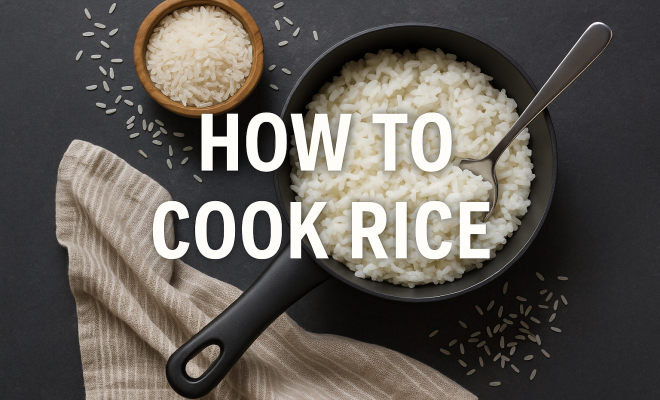
“`html
Rice is a staple food for more than half of the world’s population, and for good reason. It’s versatile, filling, and can complement a vast array of dishes. However, many struggle with the simple task of cooking rice perfectly. If you’ve ever faced a pot of sticky, burnt, or undercooked rice, you know the frustration. This guide will teach you how to cook rice effectively and elevate your culinary skills.
1. Understanding the Types of Rice
Before you even begin cooking, it’s crucial to choose the right type of rice for your dish. Rice comes in various varieties, each with unique characteristics. For instance:
- White Rice: Commonly used and versatile, it cooks quickly and has a fluffy texture.
- Brown Rice: Whole grain rice that is nuttier and chewier. It requires more water and a longer cooking time.
- Jasmine Rice: A fragrant Thai variety that is slightly sticky when cooked, making it perfect for Asian dishes.
- Basmati Rice: Long-grain rice with a distinctive aroma; it separates well when cooked, ideal for Indian cuisine.
- Sushi Rice: Short-grain rice that becomes sticky when cooked, perfect for sushi and other Japanese dishes.
Understanding these varieties and their cooking requirements is essential when learning how to cook rice. Using the wrong type can lead to a less-than-ideal meal.
2. The Importance of Rinsing Rice
Many might wonder why rinsing rice is necessary. Rinsing helps remove excess starch, which can cause rice to become gummy or sticky when cooked. This is especially important for varieties like jasmine or sushi rice. To rinse your rice, place it in a fine-mesh sieve under cold running water. Swirl it gently until the water runs clear. This may take a few minutes, but it’s well worth the effort.
In addition to removing unwanted starch, rinsing can also help eliminate any impurities or dust that might be present. Thus, this simple step not only enhances texture but also ensures cleanliness.
3. Measuring Rice and Water
The golden ratio of rice to water varies depending on the type of rice and the cooking method used. A typical rule of thumb is:
- White Rice: 1 cup of rice to 2 cups of water.
- Brown Rice: 1 cup of rice to 2.5 cups of water.
- Jasmine Rice: 1 cup of rice to 1.5 cups of water.
- Basmati Rice: 1 cup of rice to 1.5 cups of water.
- Sushi Rice: 1 cup of rice to 1 cup of water.
It’s essential to measure accurately. Too much water can lead to mushy rice, while too little may leave you with undercooked grains. Using a measuring cup will help you maintain the right proportions, ensuring your rice turns out perfect every time.
4. Cooking Methods: Stovetop vs. Rice Cooker
There are two popular methods for cooking rice: the stovetop method and using a rice cooker. Each has its pros and cons, but both can yield excellent results.
Stovetop Method: Start by bringing the water to a boil in a pot. Once boiling, add rinsed rice, cover, and reduce the heat to low. It’s crucial not to lift the lid during cooking, as this releases steam and can affect the rice’s texture. Set a timer based on the rice variety, and once done, let it rest off the heat for about 10 minutes before fluffing with a fork. (See: Nutritional benefits of rice.)
Rice Cooker: This appliance simplifies the process. Simply add rinsed rice and water according to the appropriate ratios, then turn it on. The rice cooker will automatically switch off when the rice is ready. This method is particularly convenient for busy individuals, ensuring perfectly cooked rice with minimal effort.
5. Flavoring Your Rice
Rice doesn’t have to be bland. There are countless ways to add flavor, transforming a simple side dish into a culinary experience. Here are some suggestions:
- Broth Instead of Water: Replace water with chicken, vegetable, or beef broth for an instant flavor boost.
- Cooking Aromatics: Sauté onions, garlic, or spices in oil before adding rice and water for depth of flavor.
- Herbs and Spices: Stir in fresh herbs like cilantro or parsley, or spices such as turmeric or saffron for color and aroma.
- Coconut Milk: For a rich, tropical flavor, cook rice in coconut milk instead of water. This works particularly well with jasmine or sticky rice.
- Lemon or Lime Zest: Adding zest to the cooking water can infuse the rice with a bright flavor that pairs well with seafood and salads.
Experimenting with flavors can elevate your rice dishes, making them ideal for various cuisines.
6. Common Mistakes to Avoid
Even experienced cooks can fall victim to common rice cooking mistakes. Here are some pitfalls to watch out for:
- Not Rinsing: Skipping the rinsing step can lead to overly sticky rice.
- Lifting the Lid: Opening the pot while the rice is cooking releases steam, which can cause uneven cooking.
- Not Allowing Rest Time: Skipping the resting period can result in wet, clumpy rice. Always let it sit after cooking.
- Using the Wrong Water Ratio: Not adhering to the proper rice-to-water ratio can result in undercooked or mushy rice.
- Cooking on Too High Heat: Cooking rice on high heat can cause it to burn at the bottom before it’s fully cooked. Always start boiling on high but reduce to low once the rice is added.
Being aware of these mistakes can significantly improve your results when learning how to cook rice.
7. Storing and Reheating Rice
Once you’ve mastered how to cook rice to perfection, you’ll want to know how to store and reheat it properly. Cooked rice can be stored in an airtight container in the refrigerator for up to four days. It’s essential to cool the rice quickly after cooking, ideally within two hours, to prevent harmful bacteria growth.
When reheating, make sure the rice reaches an internal temperature of 165°F (74°C). You can reheat it in the microwave with a splash of water to maintain moisture, or on the stovetop, adding a little water and covering it to steam. Proper storing and reheating techniques ensure that your rice remains delicious and safe to eat.
8. Different Ways to Use Rice
Rice can be enjoyed in various forms and preparations. Here are some popular dishes and ideas where rice plays a starring role:
- Fried Rice: A great way to use leftover rice, simply stir-fry it with vegetables, protein, and soy sauce for a delicious meal.
- Rice Salads: Combine cooked and cooled rice with fresh vegetables, herbs, and a dressing for a refreshing salad.
- Risotto: A creamy Italian dish made by slowly cooking arborio rice with broth and stirring continuously, creating a rich texture.
- Rice Pudding: A sweet dessert made by simmering rice with milk, sugar, and spices until creamy.
- Sushi: Use sushi rice to create various sushi rolls filled with seafood, vegetables, and more.
- Stuffed Peppers or Tomatoes: Use cooked rice as a filling mixed with meat, veggies, and spices, then bake until tender.
These ideas showcase just how versatile rice can be in your cooking repertoire.
9. Health Benefits of Rice
Rice isn’t just delicious; it also offers several health benefits. Here’s a breakdown of why incorporating rice into your diet can be a good choice:
- Energy Source: Rice is primarily composed of carbohydrates, providing a quick source of energy, making it a popular choice among athletes.
- Gluten-Free Option: Naturally gluten-free, rice is an excellent alternative for those with gluten sensitivities or celiac disease.
- Rich in Nutrients: Brown rice, in particular, is a good source of fiber, vitamins B1 and B3, and minerals like magnesium. It has been shown to lower cholesterol levels and help with digestion.
- Low in Fat: Rice is low in fat and cholesterol-free, making it a heart-healthy option. Additionally, it helps in maintaining weight due to its filling nature.
- Versatile for Diets: Rice fits well into various dietary needs, including vegetarian and vegan diets, and can be paired with countless proteins and vegetables.
With its health benefits and versatile nature, rice can be an essential part of a balanced diet. (See: Cultural significance of rice.)
10. Rice Cooking FAQs
Here are some frequently asked questions that can further help you master the art of cooking rice:
Q1: Can I cook rice without a rice cooker?
Absolutely! You can cook rice perfectly on the stovetop using a simple pot. Just follow the proper water-to-rice ratio, and make sure to cover the pot to trap steam.
Q2: What if my rice is too sticky?
If your rice turns out too sticky, it may be due to excess starch from not rinsing or using too much water. For future batches, make sure to rinse the rice before cooking and measure the water accurately. Additionally, consider using a long-grain variety if sticky rice is not desired.
Q3: Can I freeze cooked rice?
Yes, cooked rice freezes well! Just let it cool completely, then store it in an airtight container or freezer bag. To reheat, just add a little water and heat in the microwave or on the stovetop. Freezing is a great way to save leftovers and minimize waste.
Q4: How can I tell if rice is done cooking?
Rice is usually done when the water has been absorbed, and the grains are tender. You can taste a few grains to check for doneness. If they’re still hard, add a little more water and continue cooking for a few minutes. Keep in mind that different rice varieties have different cooking times.
Q5: Can I use brown rice in the same way as white rice?
Brown rice requires a longer cooking time and more water than white rice. Make sure to adjust your cooking method and water ratio accordingly. Cooking brown rice might take around 45 minutes compared to the 15-20 minutes for white rice.
Q6: Is there a way to improve the nutritional value of my rice dishes?
Certainly! You can enhance the nutritional value by mixing in vegetables, legumes, or nuts. For instance, adding peas and carrots to fried rice or mixing in black beans with brown rice can significantly boost fiber and protein content.
Q7: How can I tell what type of rice I have if it’s not labeled?
If you’re unsure of the type of rice, there are a few things to check. White rice is typically polished and has a glossy appearance, while brown rice has a rough, bran layer. Long-grain rice will look slender, while short-grain rice is plump and round. You can also cook a small amount to taste and see whether it’s sticky or fluffy.
Q8: Can I rinse rice that’s been pre-cooked or packaged?
Rinsing pre-cooked or packaged rice is generally unnecessary, as it has already been processed. However, if you’re using instant rice or similar products, it’s best to follow the cooking instructions on the packaging for optimal results.
With these additional insights and practical tips, you’re well equipped to tackle rice cooking with confidence. Remember, whether it’s a simple side dish or the main star of your meal, mastering how to cook rice opens up a world of possibilities in your kitchen!
11. Creative Rice Dishes Around the World
Rice is a common ingredient across many cultures, and each has its unique flair and preparation methods. Here are some creative rice dishes from around the globe that can inspire your next meal:
- Paella (Spain): This famous Spanish dish is known for its vibrant saffron-infused rice, combined with seafood, chicken, and various vegetables.
- Risotto (Italy): An iconic Italian dish, risotto is creamy and luscious, made by slowly cooking arborio rice in broth, frequently stirred to release starches.
- Fried Rice (China): A classic stir-fried dish, fried rice utilizes leftover rice and combines it with vegetables, meat, and sauces for a hearty meal.
- Dolma (Turkey): Grape leaves stuffed with a mixture of rice, herbs, and spices, dolmas are a flavorful appetizer or side dish.
- Jollof Rice (West Africa): A popular dish in many West African countries, jollof rice is typically cooked in a rich tomato sauce with spices and served with proteins.
- Chili Con Carne (USA): Often served with rice, this dish combines ground meat, beans, and spices, providing a hearty meal full of flavor.
These dishes highlight rice’s versatility and how it can be adapted to different tastes and traditions.
12. Tips for Cooking Rice Perfectly Every Time
To help you become confident in your rice cooking skills, here are some additional tips to ensure your rice turns out perfect every time:
- Use a Heavy-Bottomed Pot: A heavy-bottomed pot distributes heat evenly, reducing the risk of burning your rice.
- Let the Rice Rest: After cooking, let the rice rest for a few minutes with the lid on. This helps to further steam the rice, ensuring it’s fluffy.
- Fluff with a Fork: Use a fork to fluff the rice gently after it has rested. This helps to separate the grains and prevent clumping.
- Consider Adding Salt: Adding a pinch of salt to the boiling water can enhance the flavor of the rice. Adjust based on personal preference.
- Use Fresh Rice: Ensure your rice is relatively fresh. Old rice may take longer to cook and can have less flavor.
Incorporating these tips into your cooking routine will not only improve the texture and flavor of your rice but also instill confidence in your cooking abilities.
Conclusion
Cooking rice might seem simple, but there’s an art to it that can truly elevate your meal. By understanding the various types of rice, mastering the rinsing and cooking processes, and avoiding common pitfalls, you can ensure that every batch turns out perfectly. Whether you opt for the stovetop method or a rice cooker, the ultimate goal is to enjoy the delicious, fluffy texture of well-cooked rice. With these tips in hand, you’re well on your way to becoming a rice-cooking pro!
“`
Trending Now
Frequently Asked Questions
How do you cook rice perfectly?
To cook rice perfectly, start by choosing the right type of rice for your dish. Rinse the rice to remove excess starch, which can make it sticky. Use the appropriate water-to-rice ratio, typically 2 cups of water for every cup of white rice. Bring it to a boil, then reduce heat, cover, and simmer until the water is absorbed. Let it rest before fluffing with a fork.
What is the best way to rinse rice?
The best way to rinse rice is to place it in a fine-mesh sieve under cold running water. Swirl the rice gently until the water runs clear. This process removes excess starch and impurities, helping to achieve a better texture and cleanliness in your cooked rice.
What type of rice is best for cooking?
The best type of rice depends on your dish. White rice is versatile and cooks quickly, while brown rice is nuttier and requires more water and time. Jasmine rice is great for Asian dishes due to its fragrance, while basmati rice is ideal for Indian cuisine. For sushi, short-grain sushi rice is the best choice.
Why is my rice sticky after cooking?
Sticky rice can result from using the wrong type of rice or not rinsing it properly before cooking. Varieties like jasmine or sushi rice contain more starch, which can cause stickiness. Rinsing the rice helps remove excess starch, leading to a fluffier texture when cooked.
How much water do I need for cooking rice?
The amount of water needed for cooking rice varies by type. A general rule is 2 cups of water for every cup of white rice. For brown rice, use about 2.5 cups of water. Always check the specific instructions for the rice type you are using, as different varieties may require different ratios.
What did we miss? Let us know in the comments and join the conversation.