The Tech Edvocate

Top Menu

  • Advertisement
  • Apps
  • Home Page
  • Home Page Five (No Sidebar)
  • Home Page Four
  • Home Page Three
  • Home Page Two
  • Home Tech2
  • Icons [No Sidebar]
  • Left Sidbear Page
  • Lynch Educational Consulting
  • My Account
  • My Speaking Page
  • Newsletter Sign Up Confirmation
  • Newsletter Unsubscription
  • Our Brands
  • Page Example
  • Privacy Policy
  • Protected Content
  • Register
  • Request a Product Review
  • Shop
  • Shortcodes Examples
  • Signup
  • Start Here
    • Governance
    • Careers
    • Contact Us
  • Terms and Conditions
  • The Edvocate
  • The Tech Edvocate Product Guide
  • Topics
  • Write For Us
  • Advertise

Main Menu

  • Start Here
    • Our Brands
    • Governance
      • Lynch Educational Consulting, LLC.
      • Dr. Lynch’s Personal Website
      • Careers
    • Write For Us
    • The Tech Edvocate Product Guide
    • Contact Us
    • Books
    • Edupedia
    • Post a Job
    • The Edvocate Podcast
    • Terms and Conditions
    • Privacy Policy
  • Topics
    • Assistive Technology
    • Child Development Tech
    • Early Childhood & K-12 EdTech
    • EdTech Futures
    • EdTech News
    • EdTech Policy & Reform
    • EdTech Startups & Businesses
    • Higher Education EdTech
    • Online Learning & eLearning
    • Parent & Family Tech
    • Personalized Learning
    • Product Reviews
  • Advertise
  • Tech Edvocate Awards
  • The Edvocate
  • Pedagogue
  • School Ratings

logo

The Tech Edvocate

  • Start Here
    • Our Brands
    • Governance
      • Lynch Educational Consulting, LLC.
      • Dr. Lynch’s Personal Website
        • My Speaking Page
      • Careers
    • Write For Us
    • The Tech Edvocate Product Guide
    • Contact Us
    • Books
    • Edupedia
    • Post a Job
    • The Edvocate Podcast
    • Terms and Conditions
    • Privacy Policy
  • Topics
    • Assistive Technology
    • Child Development Tech
    • Early Childhood & K-12 EdTech
    • EdTech Futures
    • EdTech News
    • EdTech Policy & Reform
    • EdTech Startups & Businesses
    • Higher Education EdTech
    • Online Learning & eLearning
    • Parent & Family Tech
    • Personalized Learning
    • Product Reviews
  • Advertise
  • Tech Edvocate Awards
  • The Edvocate
  • Pedagogue
  • School Ratings
  • A Visitors Guide to Long Beach (CA), United States

  • A Visitor’s Guide to Fresno (CA), United States

  • A Visitors Guide to New Orleans (LA), United States

  • A Visitors Guide to Sacramento (CA), United States

  • A Visitors Guide to Lyon, France

  • JisuLife Ultra2 Portable Fan: A Powerful Multi-Function Cooling Solution

  • A Visitors Guide to Viña del Mar, Chile

  • A Visitors Guide to Århus, Denmark

  • A Visitors Guide to Bakersfield (CA), United States

  • A Visitors Guide to Aurora (CO), United States

Assistive Technology
Home›Assistive Technology›How to Bypass Windows 11 Minimum Installation Requirements

How to Bypass Windows 11 Minimum Installation Requirements
By Matthew Lynch
June 23, 2023
0
Spread the love

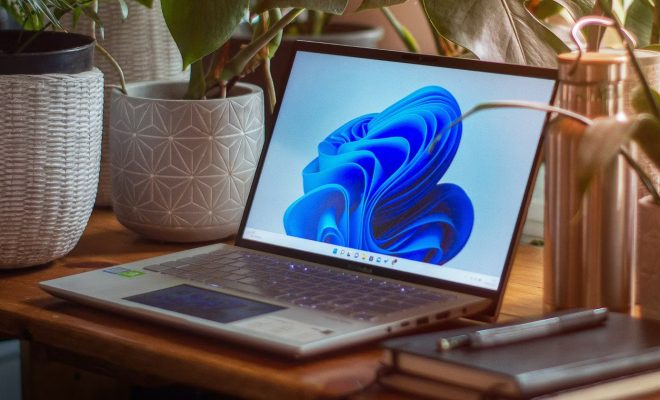
As the new version of Windows, Windows 11, has been released, many users are eager to upgrade their systems to this latest operating system. However, some users are facing issues where their computers do not meet the minimum system requirements for Windows 11. But don’t worry, there are ways to bypass these minimum installation requirements and still install Windows 11.

Note: Before proceeding with the steps mentioned below, it is important to note that you may encounter compatibility issues or reduced performance as a result of bypassing the minimum system requirements. Additionally, these methods are not recommended or supported by Microsoft.

Method 1: Modify the System Registry

The first bypass method involves modifying the system registry. This tweak will help to fool the Windows 11 installer into thinking that your computer meets the minimum requirements. Here are the steps to follow:

1. Press the Windows key + R on your keyboard to open the Run dialog box.

2. Type “regedit” and press Enter to open the Registry Editor.

3. Navigate to the following Registry key: HKEY_LOCAL_MACHINE\SYSTEM\Setup\MoSetup

4. Right-click MoSetup and select New > Key, and rename the Key to AllowUpgradesWithUnsupportedTPMOrCPU

5. Right-click the new key and select New > DWORD (32-bit) Value, and name it AllowUpgradesWithUnsupportedTPMOrCPU

6. Double-click the new DWORD Value and set its Value data to 1.

7. Close the Registry Editor and launch the Windows 11 installation.

Method 2: Use a Virtual Machine

The second method involves using a virtual machine to install Windows 11. This method bypasses the system requirements by installing Windows 11 on a virtual machine, which does not have to meet the minimum system requirements. Here are the steps to follow:

1. Download and install a virtual machine application such as VirtualBox or VMware on your computer.

2. Create a new virtual machine and configure it to have at least 4GB of RAM, a dual-core processor, and 64GB of virtual hard disk space.

3. Insert the Windows 11 ISO file into the virtual machine’s virtual optical drive.

4. Launch the virtual machine and boot from the optical drive.

5. Follow the on-screen instructions to install Windows 11 on the virtual machine.

Method 3: Use a Custom ISO File

The third method involves using a custom ISO file of Windows 11. This method bypasses the system requirements by modifying the original Windows 11 ISO file to remove the System Requirements check. Here are the steps to follow:

1. Download and install a tool called WinReducer11 on your computer.

2. Download the official Windows 11 ISO file from the Microsoft website.

3. Launch WinReducer11 and select the Windows 11 ISO file.

4. Navigate to the Integration tab and select the “Features” option.

5. Locate and disable all the options related to system requirements.

6. Click the Apply button and wait for the modifications to be applied.

7. Save the new ISO file and use it to install Windows 11.

Previous Article

How to Wipe the Cache Partition and ...

Next Article

How to Fix the “We Couldn’t Create ...

Matthew Lynch

Related articles More from author

  • Assistive Technology

    How to Set Up Google Assistant on the Samsung Galaxy Watch 4

    June 5, 2023
    By Matthew Lynch
  • Assistive Technology

    How to Use Google Password Checkup for Android

    August 5, 2023
    By Matthew Lynch
  • Assistive Technology

    How to Use Google Docs Spell Check

    June 23, 2023
    By Matthew Lynch
  • Assistive Technology

    How to Run Ubuntu as a Docker Container

    June 21, 2023
    By Matthew Lynch
  • Assistive Technology

    How to Delete Photos on a Mac

    June 10, 2023
    By Matthew Lynch
  • Assistive Technology

    How to Fix It When the Time on Your Phone Is Wrong

    June 8, 2023
    By Matthew Lynch

Search

Login & Registration

  • Register
  • Log in
  • Entries feed
  • Comments feed
  • WordPress.org

Newsletter

Signup for The Tech Edvocate Newsletter and have the latest in EdTech news and opinion delivered to your email address!

About Us

Since technology is not going anywhere and does more good than harm, adapting is the best course of action. That is where The Tech Edvocate comes in. We plan to cover the PreK-12 and Higher Education EdTech sectors and provide our readers with the latest news and opinion on the subject. From time to time, I will invite other voices to weigh in on important issues in EdTech. We hope to provide a well-rounded, multi-faceted look at the past, present, the future of EdTech in the US and internationally.

We started this journey back in June 2016, and we plan to continue it for many more years to come. I hope that you will join us in this discussion of the past, present and future of EdTech and lend your own insight to the issues that are discussed.

Newsletter

Signup for The Tech Edvocate Newsletter and have the latest in EdTech news and opinion delivered to your email address!

Contact Us

The Tech Edvocate
910 Goddin Street
Richmond, VA 23231
(601) 630-5238
[email protected]

Copyright © 2025 Matthew Lynch. All rights reserved.