Build a Crypto Mining Rig: Your Complete 2024 Guide
“`html
Introduction: In the ever-evolving world of cryptocurrency, mining remains a popular way to earn profits and engage in the blockchain. If you’re considering entering this space, learning how to build a mining rig is a crucial first step. With the right equipment and setup, you can maximize your mining capabilities and potentially yield significant returns. This guide will take you through everything you need to know about building a mining rig, from understanding the technology to choosing the right components.
1. Understanding Cryptocurrency Mining
Before you dive into the practical aspects of building a mining rig, it’s essential to grasp the fundamentals of cryptocurrency mining. At its core, mining involves validating transactions on a blockchain by solving complex mathematical problems. Miners use powerful hardware to compete against one another, and the first to solve the problem gets to add the next block to the blockchain, earning a reward in the form of cryptocurrency.
The mining process can be resource-intensive, requiring significant computational power and energy. As the popularity of cryptocurrencies like Bitcoin and Ethereum has surged, so has the competition. This is why building an efficient mining rig is vital; it can allow you to mine profitably while keeping energy costs manageable.
2. Choosing the Right Mining Rig Type
When you’re ready to build a mining rig, one of the first decisions you’ll need to make is which type of rig to create: a GPU rig, an ASIC rig, or a CPU rig. Each type has its advantages and drawbacks, depending on your goals and the cryptocurrencies you wish to mine.
- GPU Mining Rig: These rigs use multiple graphics cards to mine a variety of cryptocurrencies. They’re versatile and can switch between different coins, making them a popular choice for beginners.
- ASIC Mining Rig: Application-Specific Integrated Circuits (ASICs) are designed specifically for cryptocurrency mining. They offer high efficiency but are limited to mining specific cryptocurrencies, such as Bitcoin.
- CPU Mining Rig: Central Processing Units can be used for mining, but they’re generally less effective than GPUs or ASICs. CPU mining is often used for less popular coins.
Consider your budget, the type of cryptocurrency you want to mine, and the potential return on investment before making your decision.
3. Essential Components for Your Mining Rig
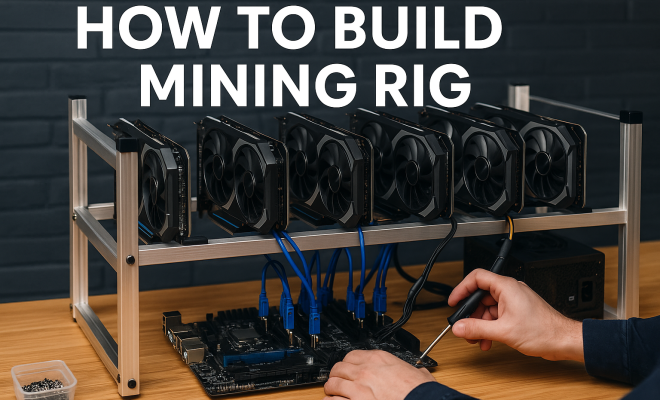
To successfully build a mining rig, you’ll need several key components:
- Graphics Cards (GPUs): The heart of a GPU mining rig. Depending on your budget and goals, you might want to invest in high-performance GPUs like the NVIDIA GeForce RTX or AMD Radeon series.
- Motherboard: A motherboard that supports multiple GPUs is necessary for a mining rig. Look for one with enough PCIe slots to accommodate your graphics cards.
- Power Supply Unit (PSU): A reliable PSU is crucial. It should have enough wattage to support all your components and ideally be certified for efficiency (80 Plus Gold or Platinum).
- Cooling System: Proper cooling is vital to prevent overheating. Fans and cooling systems help maintain optimal temperatures during operations.
- Storage: A simple SSD is usually sufficient for mining rig storage. You don’t need much space, just enough to hold the operating system and mining software.
- Case: A mining rig case should allow for good airflow and accommodate all your components. You can also use open-air setups for better cooling.
- Operating System: Choose an OS that supports your mining software. Windows and Linux are popular choices among miners.
Each of these components plays a vital role in your mining rig’s performance and efficiency, so choose wisely based on your needs and budget.
4. Assembling Your Mining Rig
Once you have all your components, it’s time to assemble your mining rig. This process can be straightforward if you follow these steps:
- Install the Power Supply: Start by placing your PSU in the case and securing it. Connect the power cables to the motherboard and GPUs.
- Install the Motherboard: Secure the motherboard in the case and connect it to the PSU. Make sure to connect all necessary power connectors.
- Add the Graphics Cards: Insert your GPUs into the PCIe slots on the motherboard. Secure them in place and connect the power cables.
- Attach the Cooling System: Install fans or cooling solutions to ensure your rig remains cool during operation.
- Connect Storage: Install your SSD and connect it to the motherboard.
- Final Checks: Ensure all connections are secure and that there are no loose wires. You want to avoid potential short circuits or power issues.
Once assembled, you can power it up and check if everything is functioning correctly. If it boots up successfully, you’re on your way to starting your mining journey! (See: Understanding cryptocurrency mining basics.)
5. Installing Mining Software
After assembling your mining rig, the next step is to install mining software. This software connects your rig to the blockchain and facilitates the mining process. Popular mining software options include:
- CGMiner: A versatile and widely-used mining software that supports multiple devices.
- EasyMiner: Great for beginners, it provides a user-friendly interface and is compatible with various mining pools.
- NiceHash: This software automatically selects the most profitable cryptocurrency to mine based on current market conditions.
When choosing software, consider your experience level and the cryptocurrencies you wish to mine. Follow the specific installation instructions provided by the software to ensure a smooth setup.
6. Choosing Your Mining Pool
Mining solo might have been viable in the early days of cryptocurrencies, but today, joining a mining pool is often the best way to maximize your earnings. A mining pool is a group of miners who combine their computational power to increase the chances of earning rewards, which are then distributed among the members. Here are a few factors to consider when selecting a mining pool:
- Pool Size: Larger pools provide more consistent payouts but smaller pools might offer a higher payout per share.
- Fees: Pools typically charge fees ranging from 1% to 3%. Evaluate how these fees impact your profitability.
- Payout Structure: Understand each pool’s payout structure (e.g., pay-per-share, proportional, etc.) to find one that aligns with your goals.
- Reputation: Research pools to find reliable and trustworthy options. User reviews and historical performance can be good indicators of a pool’s reliability.
Joining a mining pool can significantly increase your chances of earning consistent rewards, making it a worthwhile consideration.
7. Monitoring Your Rig and Managing Costs
Once your mining rig is up and running, monitoring its performance and managing costs becomes critical. Here are some tips to keep your rig operating efficiently:
- Use Monitoring Software: Programs like MSI Afterburner or HWMonitor help track the performance of your GPUs, including temperature and usage.
- Set Realistic Expectations: Understand your potential earnings based on your rig’s performance. Use online calculators to estimate profitability based on your electricity costs and the current price of the cryptocurrency being mined.
- Optimize Energy Use: Mining can be energy-intensive, so look for ways to reduce your electricity costs. This might involve operating during off-peak hours or using renewable energy sources.
Keeping a close eye on your rig’s performance and costs will help you maximize your profitability while minimizing losses.
8. Staying Updated on Market Trends
The cryptocurrency landscape is constantly changing, with new coins, algorithms, and technologies emerging regularly. Staying informed about market trends can help you adapt your mining strategy. Follow industry news, subscribe to relevant forums, and join online communities to keep up with developments. You might also want to explore:
- Emerging Coins: New cryptocurrencies often offer higher rewards, so be on the lookout for promising projects that are gaining traction.
- Mining Technology Advances: Keep an eye on advances in mining hardware and software that could enhance your rig’s performance.
- Regulatory Changes: Be aware of legal and regulatory changes in your region that could impact your mining operations.
Being proactive and adaptable in this fast-paced environment can significantly influence your success as a miner.
9. Costs and Budgeting for Your Mining Rig
Building a mining rig can be an expensive venture, and understanding the various costs involved is crucial for long-term success. Your budget should account for initial setup costs, ongoing operational expenses, and potential downtime. Here’s a breakdown of what you might expect:
- Initial Setup Costs: This includes the costs of your GPUs, motherboard, PSU, cooling system, and other components. Depending on the specifications, a basic rig may cost anywhere from $1,000 to $5,000. High-performance setups can reach $10,000 or more.
- Electricity Costs: Mining rigs consume a lot of power. Calculate your potential electricity bill based on your rig’s wattage and local electricity rates. Some miners see monthly electricity bills exceeding $200.
- Maintenance Costs: Components can wear out and may need replacement. Budget for potential maintenance costs and have a plan for dealing with hardware failures.
- Cooling Solutions: Depending on your mining rig’s performance, you might invest in additional cooling solutions. This can be an upfront cost but will help prolong the life of your equipment.
Creating a detailed budget will help you navigate the financial aspects of mining. This is especially important when trying to gauge your return on investment (ROI).
10. Scaling Your Mining Operation
Once you feel comfortable with your mining rig, you might consider scaling your operation. Whether you want to add more GPUs or start a new rig altogether, scaling can enhance your profitability. Here are some strategies to think about: (See: Health and safety in cryptocurrency mining.)
- Invest in More GPUs: If your motherboard has available PCIe slots, and your PSU can handle the additional load, adding more GPUs can significantly increase your hashing power and earnings.
- Build a Dedicated Mining Space: Consider setting aside a specific area in your home or renting a space for your mining operation. This can help manage heat, noise, and vibrations more effectively.
- Automate with Software: Look into mining management software that allows you to control multiple rigs from one location. This can save time and help optimize your mining process.
Scaling requires careful planning and investment but can lead to greater rewards in the long run.
11. Expert Perspectives on Mining Rig Best Practices
Industry experts frequently share insights into best practices for building and maintaining mining rigs. Here’s what some of them recommend:
- Cooling is Key: Experts emphasize the importance of keeping your mining rig cool. Overheating can lead to hardware failure. Consider using liquid cooling solutions for high-performance setups.
- Regularly Update Software: Keeping your mining software updated ensures you have the latest features and security patches which can protect your investment.
- Diversify Your Mining: Instead of focusing solely on one cryptocurrency, consider mining various coins. This can help mitigate risks associated with price fluctuations in any single coin.
Following expert advice can help you build a resilient, efficient mining operation.
12. Frequently Asked Questions (FAQ)
What is the best cryptocurrency to mine in 2023?
The best cryptocurrency to mine can vary based on market conditions. Popular choices include Ethereum (though transitioning to proof-of-stake), Ravencoin, and Monero due to their lower entry barriers for mining. Use profitability calculators to analyze your options.
How much can I earn from mining?
Mining profits depend on several factors, including the cryptocurrency mined, the efficiency of your rig, electricity costs, and the current market price of the coin. As a general guideline, many miners aim for ROI within 6 to 12 months.
Is mining still profitable?
Mining can be profitable, but it heavily depends on market conditions, hardware efficiency, and electricity costs. Regularly updating your knowledge on these factors will help you make the best decisions.
Do I need technical skills to build a mining rig?
While some technical knowledge is helpful, many resources are available to guide beginners through the process. With instructions and online tutorials, anyone can learn how to build a mining rig.
What should I do if my mining rig isn’t performing well?
If you’re facing performance issues, start by monitoring temperatures and power usage. Ensure everything is connected correctly, and check for updates on your mining software. Sometimes, optimizing settings can lead to significant performance boosts.
13. Environmental Considerations in Mining
As cryptocurrency mining has gained popularity, concerns regarding the environmental impact have come to the forefront. Mining operations can consume vast amounts of electricity, leading to increased carbon footprints. Here are some ways to make your mining operation more environmentally friendly: (See: Research on energy consumption in mining.)
- Renewable Energy Sources: If possible, try to power your mining rig using renewable energy, such as solar or wind. This approach not only reduces your carbon footprint but can also lower electricity costs long-term.
- Energy Efficiency: Opt for energy-efficient components and configurations. Many modern GPUs are designed to offer better performance without consuming excessive power. Research and invest in hardware that balances performance and efficiency.
- Heat Recovery: Some miners have started exploring ways to utilize the excess heat generated from their rigs, such as heating their homes or greenhouses. This not only maximizes resource use but also adds an innovative angle to mining operations.
By considering the environmental impacts of your mining efforts, you can contribute to a more sustainable future for the cryptocurrency industry.
14. Crypto Mining Regulations and Compliance
As regulatory scrutiny increases, it’s essential for miners to stay informed about legal requirements in their jurisdiction. Different countries have varying regulations regarding cryptocurrency and mining activities. Here are some points to consider:
- Licensing Requirements: Some regions may require miners to obtain specific licenses to operate legally. Research your local regulations to ensure compliance.
- Tax Implications: Understand the tax obligations that come with mining. In many jurisdictions, mined cryptocurrency is considered taxable income, and you may be required to report earnings accordingly.
- Local Laws: Be aware of any laws that restrict or prohibit mining activities. Some areas have enacted bans due to concerns about energy consumption or environmental impact.
Engaging with local mining communities can provide helpful insights into navigating regulatory landscapes and staying compliant.
15. Future of Mining: Trends to Watch
The cryptocurrency mining landscape is constantly evolving. Staying ahead of trends can provide an edge in optimizing your operations. Here are a few trends to keep an eye on:
- Transition to Proof-of-Stake: With Ethereum’s shift to a proof-of-stake consensus mechanism, many miners are exploring alternatives. Understanding how these changes impact mining profitability is crucial.
- Increased Use of AI: Artificial intelligence is being integrated into mining operations to optimize performance and manage energy consumption, ensuring miners can maximize returns while minimizing costs.
- Community Mining Initiatives: Some projects are exploring decentralized mining pools that allow smaller miners to collaborate more effectively. Keep an eye on developments in this space, as they might offer more equitable profit-sharing models.
By staying informed about these trends, you can adapt your mining strategy and remain competitive in the market.
Final Thoughts
Building a mining rig can be a rewarding venture if approached thoughtfully. By understanding the basics of cryptocurrency mining, selecting the right components, and staying updated on industry trends, you can maximize your potential returns. Remember, patience and continual learning are key in the dynamic world of cryptocurrency. As you embark on this journey, keep experimenting and fine-tuning your setup. Happy mining!
“`
Trending Now
Frequently Asked Questions
What do I need to build a mining rig?
To build a mining rig, you'll need essential components such as a motherboard, CPU, RAM, power supply, multiple graphics cards (for GPU rigs), and cooling systems. Additionally, consider storage options and a suitable case for housing your rig. Understanding the compatibility of these components is crucial for optimal performance.
How much does it cost to build a mining rig?
The cost of building a mining rig can vary widely based on the type of rig you choose. A basic GPU mining rig can range from $500 to $2,000, while ASIC rigs can cost significantly more due to their specialized hardware. It's important to budget for both initial setup costs and ongoing electricity expenses.
Is it profitable to mine cryptocurrency?
Mining cryptocurrency can be profitable, but it largely depends on factors like the type of cryptocurrency, mining difficulty, hardware efficiency, and energy costs. Conducting a cost-benefit analysis and staying updated on market trends can help you assess your potential profitability before investing in a mining rig.
What type of mining rig is best for beginners?
For beginners, a GPU mining rig is often the best choice. GPU rigs are versatile, allowing you to mine various cryptocurrencies, making them suitable for new miners looking to explore different options. They are also generally easier to set up and upgrade compared to ASIC rigs.
How do I choose the right components for my mining rig?
Choosing the right components for your mining rig involves considering your budget, mining goals, and the specific cryptocurrencies you plan to mine. Research the performance and efficiency of graphics cards, CPUs, and power supplies, and ensure compatibility with your motherboard to optimize your rig's performance.
What did we miss? Let us know in the comments and join the conversation.