Your Ultimate Deck Building Guide: Create a Stunning Outdoor Space
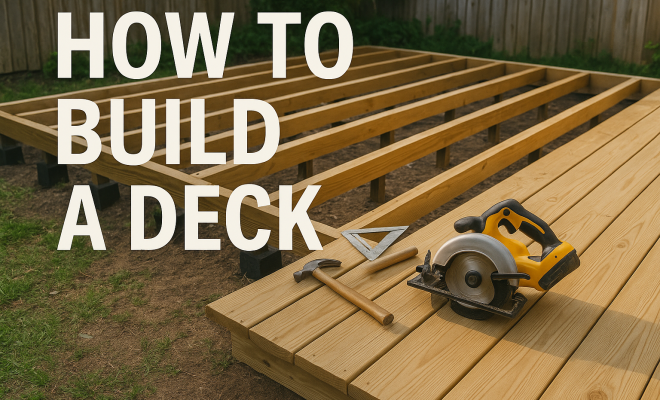
“`html
Building a deck can be an exciting project for homeowners looking to enhance their outdoor living space. Not only does a well-constructed deck provide a beautiful area for relaxation and entertainment, but it also increases the value of your property. Whether you’re a seasoned DIY enthusiast or a novice, this comprehensive deck building guide will walk you through the essential steps to create a stunning deck that meets your needs.
1. Understanding the Purpose of Your Deck
Before diving into the construction phase, it’s crucial to define the purpose of your deck. Are you looking to host family BBQs, create a peaceful retreat for morning coffee, or perhaps design a space for entertaining friends? Understanding your specific needs will guide your decisions on size, materials, and design elements.
Consider how often you’ll use the deck and what activities will take place there. Will you need built-in seating, a grilling area, or space for a hot tub? Each of these factors influences not only the design but also the overall cost of the project. A clear purpose will ensure that the deck adds functional value to your living space.
2. Choosing the Right Materials
One of the most critical decisions in your deck building guide is selecting the right materials. The options are abundant, ranging from traditional wood to composite materials. Pressure-treated lumber is a popular choice due to its affordability and natural appearance, making it ideal for those on a budget. However, it requires regular maintenance, such as sealing and staining.
On the other hand, composite decking has gained popularity for its low maintenance and durability. Made from a mix of recycled wood fibers and plastic, composite materials resist fading, splintering, and insect damage. While the initial cost is higher, the long-term savings on maintenance may make it worthwhile. Always consider your budget, maintenance preferences, and the aesthetic you want to achieve when selecting materials.
3. Designing Your Deck Layout
Once you’ve established your deck’s purpose and materials, it’s time to design the layout. This stage involves sketching out your ideas and considering the deck’s size, shape, and features. Take into account the flow of traffic — ensuring there’s enough space for people to move around without obstruction is crucial.
Use graph paper or deck design software to create a scale drawing of your planned deck. Incorporate elements like steps, railings, and built-in seating into your design. Remember to consider features that can enhance your deck, such as planter boxes or lighting, which will make the space more inviting and usable during the evening hours.
4. Securing Necessary Permits
Before starting construction, check with your local building authority regarding permits and codes. Many areas require permits for deck construction, especially if it’s elevated, as it could impact local property lines or drainage. Understanding these regulations is essential to avoid fines and ensure safety compliance.
Permitting processes vary by location, so consult your local government or a licensed contractor to grasp the specifics in your area. It’s better to navigate this bureaucratic hurdle before breaking ground rather than having to halt construction for inspections later on.
5. Preparing the Site
With permits in hand, the next step is to prepare your site. This involves clearing the area of any debris, vegetation, or obstacles that might interfere with construction. Mark the outline of your deck using stakes and string to visualize the dimensions and layout.
Check the ground for levelness; this can significantly affect the stability of your deck. If the land is uneven, you may need to excavate certain areas or create a foundation with footings to ensure a stable base. Setting footings properly is crucial for supporting the deck’s weight and preventing future sagging or instability.
6. Building the Foundation and Frame
The foundation is the backbone of your deck, and it’s essential to get it right. Begin by digging post holes according to your design and local regulations, typically below the frost line for stability in colder climates. Pour concrete into these holes and set your posts in place, ensuring they’re level.
Once the posts are secure, you can add the beams and joists to create the framework. Beams provide support across the posts, while joists run perpendicular to the beams, creating the structure that will hold your decking material. Use a level to ensure everything is straight and well-aligned. This foundation will dictate the overall quality and longevity of your deck. (See: health benefits of outdoor spaces.)
7. Installing the Decking
With the frame in place, it’s time to install the decking boards. Depending on the material you selected, this process might vary slightly. For wood decking, start at one end and work your way to the other, ensuring proper spacing between boards for drainage and expansion. Composite decking usually comes with specific installation guidelines that should be followed closely.
Consider using hidden fasteners for a clean, polished look, especially with composite materials. Always check that the boards are level and straight as you go. This step can drastically affect the deck’s final appearance, so take your time to ensure everything fits properly.
8. Finishing Touches
The final step in your deck building guide involves adding the finishing touches that will personalize your space. This can include railings, stairs, and built-in features like benches or planters. Choosing the right railing is crucial for safety and aesthetics; options range from simple wood designs to more modern glass or metal railings.
Additionally, consider adding lighting to enhance the ambiance and usability of your deck during the evenings. Solar lights or LED strips can add a welcoming touch without the need for extensive wiring. With everything in place, don’t forget to apply a sealant to protect wood surfaces from moisture and UV damage, ensuring your deck remains beautiful for years to come.
9. Deck Maintenance Tips
Maintaining your deck is essential for its longevity and appearance. Regular maintenance routines vary depending on the materials used. For wood decks, inspect for signs of rot or insect damage annually. It’s recommended to power wash your wood deck at least once a year to remove dirt and mildew. Following that, you should apply a new coat of sealant or stain every two to three years, depending on your climate and level of sun exposure.
For composite decks, maintenance is generally less intensive. Cleaning typically involves sweeping and occasional washing with soap and water to prevent buildup of grime and stains. However, avoid using bleach as it can harm the composite material. Inspect the deck regularly for loose boards or fasteners, and tighten or replace as necessary to keep the structure safe.
10. Incorporating Smart Technology
As technology advances, more homeowners are looking to integrate smart technology into their outdoor spaces. You can install smart lighting systems that allow you to control the ambiance through your smartphone or voice-activated devices. Smart speakers can enhance your outdoor entertainment experiences, allowing you to stream music or podcasts while relaxing on your deck.
Furthermore, consider adding smart thermostats or outdoor heating systems that can be controlled remotely, making your deck usable in cooler months. This integration not only modernizes your space but also increases its usability year-round.
11. Deck Design Trends
Deck design trends are ever-evolving, and staying updated can help you create a contemporary outdoor space. One emerging trend is the use of mixed materials, such as combining wood with metal or glass for railings. This not only enhances visual interest but also provides unique textures and colors.
Another popular trend is the incorporation of multi-level decks, which allows for distinct areas for dining, lounging, and gardening. This design can create a more dynamic space and is particularly beneficial for larger yards. Lastly, sustainable practices are gaining traction, with homeowners opting for eco-friendly materials and designs that blend seamlessly with nature.
12. Return on Investment (ROI) for Decks
Building a deck can significantly increase your home’s market value. According to the 2023 Remodeling Impact Report by the National Association of Realtors, homeowners can expect an average return on investment of around 70% when selling a home with a well-constructed deck. This percentage can vary based on the quality of materials used, overall design, and local real estate market dynamics.
For instance, decks made with high-quality composite materials or those that include features like built-in seating or outdoor kitchens often yield a higher ROI compared to standard wooden decks. If you’re considering selling your home in the near future, investing in a deck could be a smart move that enhances both your living experience and your property’s value.
13. Deck Safety Considerations
Safety should be a primary concern when building and using your deck. Start by ensuring that all railings are at least 36 inches high and that spindles or balusters are spaced no more than 4 inches apart to prevent accidents. If your deck is elevated, consider adding gates to stairs to prevent children or pets from accidentally falling.
It’s also crucial to ensure that the deck can support the weight of furniture, people, and any additional features like hot tubs. Follow load-bearing guidelines provided by local building codes and consult with professionals if you’re unsure. Regularly check for any loose boards, protruding nails, or uneven surfaces to maintain a safe environment. (See: tips for building a deck.)
14. Frequently Asked Questions (FAQ)
What is the best material for building a deck?
The best material depends on your budget, desired aesthetics, and maintenance preferences. Pressure-treated wood is affordable but requires maintenance. Composite decking is more durable and requires less upkeep but comes at a higher initial cost.
How long does it take to build a deck?
The time frame for building a deck can vary based on size and complexity. A small, simple deck might take a weekend to complete, while larger or more intricate designs could take several weeks, especially if you’re doing it yourself.
Do I need a permit to build a deck?
In most cases, yes. Permitting requirements vary by location, so it’s essential to check with your local building authority before starting construction to ensure compliance with regulations.
Can I build a deck myself?
Absolutely! Many homeowners choose to build their own decks, especially if they have some DIY skills. However, if you’re unsure about any aspect, don’t hesitate to consult with professionals for guidance.
How do I maintain my deck throughout the year?
Regular maintenance includes cleaning, sealing, and checking for damage. Power wash wood decks at least once a year and apply sealant every few years. For composite decks, regular sweeping and occasional washing with soap and water will suffice.
What are the most common deck problems?
Common issues include rotting wood, splintering, and loose boards. Regular inspections can help identify these problems early. Keeping your deck clean and sealed is crucial to preventing damage.
How do I choose the right deck design?
Consider your lifestyle, the size of your outdoor space, and any existing architecture. Look for inspiration in magazines, websites, or even your neighbors’ decks. Think about how you want to use the space and what features are most important to you.
Is it worth investing in a professional builder?
If you’re uncertain about DIY construction or want a high-quality finish, hiring a professional can be worth the investment. They bring expertise and can often complete the project more quickly and efficiently than a novice.
What features can enhance my deck?
Consider incorporating built-in seating, planters, or an outdoor kitchen. Adding a pergola or awning can provide shade, while decorative lighting can enhance the ambiance. Fire pits or outdoor heaters can also make your deck usable in cooler weather.
Building a deck is a rewarding endeavor that can greatly enhance your home’s outdoor experience. By following this deck building guide, you’ll not only create a functional space but also enjoy the process and the satisfaction of your handiwork. So, gather your tools, plan your design, and get ready to create the perfect deck for your home.
15. Understanding Local Building Codes
Every area has specific building codes that govern the construction of decks. These regulations are designed to ensure safety and structural integrity. Before you start your project, familiarize yourself with these codes. They may dictate the minimum height for railings, the maximum distance between joists, or requirements for footings based on soil type.
Building codes might also affect the materials you can use. Some areas may restrict certain types of treated wood due to environmental concerns, while others may have specific regulations regarding composite materials. It’s crucial to check these codes to avoid potential legal issues and ensure your deck is safe. (See: best materials for decking.)
16. Choosing the Right Deck Style
The style of your deck should complement your home and garden. Consider whether you prefer a traditional look with wood and classic railings or a more modern design incorporating metal and glass elements. The style will also influence the choice of materials and color schemes.
Some popular styles include:
- Contemporary: Clean lines, minimalistic designs, often with a focus on sustainability.
- Rustic: Natural wood finishes, often incorporating stone or earthy colors.
- Beach House: Lighter hues, open designs, often with plenty of spaces for lounging and enjoying the sun.
By selecting a style that reflects your taste and matches your property, you can create a cohesive outdoor space that enhances your home’s overall appeal.
17. Exploring Sustainable Decking Options
As environmental concerns grow, many homeowners are looking for sustainable decking options. Bamboo decking, for instance, is a rapidly renewable resource that offers durability and an attractive appearance. Recycled plastic decking is another eco-friendly option, made from materials that would otherwise end up in a landfill.
When choosing sustainable materials, look for certifications such as the Forest Stewardship Council (FSC) label, which indicates responsibly sourced wood. By opting for sustainable materials, you can reduce your environmental impact while still enjoying a beautiful and functional deck.
18. Deck Lighting Ideas
Lighting plays a crucial role in enhancing the functionality and ambiance of your deck. Consider installing path lights along stairs and walkways to improve safety. String lights can create a cozy atmosphere, perfect for evening gatherings. If you want to get creative, you can even integrate lighting into built-in features, like benches or steps.
Solar-powered lights are an excellent option for those looking to minimize electrical work. They are easy to install and environmentally friendly. Dimmer switches can also be added to control the brightness, allowing you to set the perfect mood for any occasion.
19. Deck Furniture and Accessories
Once your deck is built, the right furniture and accessories can elevate the space. When selecting furniture, consider durability, comfort, and style. Weather-resistant materials like aluminum or resin wicker are ideal for outdoor use.
Accessorizing your deck with cushions, throws, and outdoor rugs can add a touch of comfort and personality. Don’t forget about shade options, such as umbrellas or shade sails, to protect against harsh sunlight. If you have the space, adding a fire pit or a small outdoor kitchen can transform your deck into a multifunctional outdoor living area.
“`
Trending Now
Frequently Asked Questions
What are the steps to building a deck?
Building a deck involves several key steps: first, define the purpose of your deck, then choose the right materials based on your budget and maintenance preferences. After that, you'll need to design the layout, obtain necessary permits, prepare the site, and finally construct the deck using proper techniques to ensure safety and durability.
What materials should I use for my deck?
When selecting materials for your deck, consider options like pressure-treated lumber for its affordability and natural look, or composite decking for its low maintenance and durability. Each material has its pros and cons, so choose based on your budget, desired aesthetic, and how much maintenance you're willing to perform.
How do I determine the size of my deck?
To determine the size of your deck, think about its intended purpose and how you plan to use the space. Consider factors such as how many people you want to accommodate, any furniture you'll include, and whether you'll need areas for grilling or other activities. A clear understanding of these needs will help guide your size decision.
Do I need a permit to build a deck?
Whether you need a permit to build a deck depends on your local building codes and regulations. Generally, if your deck exceeds a certain height or size, a permit is required. It's best to check with your local authorities to ensure compliance and avoid potential fines or issues down the line.
How much does it cost to build a deck?
The cost to build a deck can vary widely based on factors such as size, materials, and design complexity. On average, homeowners can expect to spend between $15 to $35 per square foot. It's essential to create a budget that accounts for materials, labor, and any additional features you may want to include.
What did we miss? Let us know in the comments and join the conversation.