North Carolina: Fight Rising Energy Bills with Proven Strategies
“`html
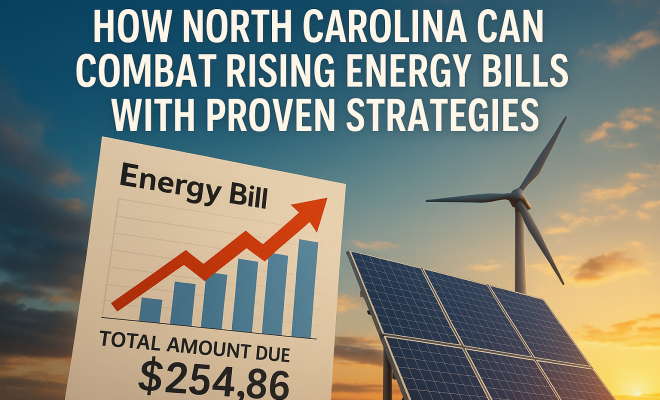
The fear of skyrocketing North Carolina energy bills has reached a boiling point for many households across the state. As utility costs continue to rise amidst economic instability, families are feeling the financial strain more than ever. However, contrary to popular belief, these rising costs are not an unavoidable fate. Instead, there are actionable strategies that can be employed to reverse this worrying trend.
The Growing Concern Over Energy Bills
In the past few years, many North Carolinians have experienced the unsettling reality of inflated energy costs. According to recent studies, the average household energy expenditure has surged, leaving many families scrambling to adjust their budgets. This spike in North Carolina energy bills is not just a number on a bill but a significant source of stress and anxiety for many families trying to make ends meet.
As the cost of living continues to rise, the conversation around energy bills has gained urgency. Social media platforms buzz with discussions on how to manage rising costs, with many households sharing their tips for conserving energy and reducing expenses. Yet, while individual efforts are commendable, larger systemic change is essential for a lasting solution.
Understanding the Causes Behind Rising Costs
To effectively tackle the issue of rising energy bills, it’s crucial to understand the underlying factors contributing to these escalating costs. Several elements play a role, including supply chain disruptions, increasing demand for energy, and a lack of competition within the energy market. In North Carolina, many residents rely on a few major utility companies that dominate the market, leading to less incentive for innovation and efficiency.
Moreover, the technology used to deliver electricity has not kept pace with consumer needs. Aging infrastructure and outdated systems result in inefficiencies that can directly impact consumer costs. If you’re feeling overwhelmed by rising energy bills, you’re not alone—and you shouldn’t feel powerless.
Encouraging Competition on the Electrical Grid
One of the most effective strategies to combat rising North Carolina energy bills is to encourage competition within the electrical grid. By fostering a competitive environment among energy providers, consumers can benefit from lower prices and improved services. This approach not only empowers consumers but also incentivizes companies to innovate and invest in technology that will enhance grid performance.
Similar strategies have been implemented in other states, showcasing promising results. For instance, deregulation in Texas allowed multiple providers to enter the market, driving down costs and increasing options for consumers. By implementing a similar model in North Carolina, residents could see a reduction in their energy expenses while also enjoying better service and more renewable energy options.
The Role of Technology in Enhancing Grid Efficiency
Upgrading grid technology is another critical avenue for reversing the trend of rising energy bills. The integration of smart grid technology can dramatically improve energy efficiency. Smart grids allow for real-time monitoring and management of energy consumption, reducing waste and optimizing the distribution of electricity.
Investing in modern technologies—like advanced metering infrastructure and energy storage solutions—can significantly impact consumer costs. For instance, smart meters provide consumers with detailed insights into their energy usage, empowering them to make informed decisions about their consumption habits. This technology can lead to a more efficient use of energy and ultimately lower bills for North Carolinians.
Implementing Renewable Energy Sources
Another powerful strategy for reducing North Carolina energy bills lies in the adoption of renewable energy sources. The state is well-positioned to harness solar, wind, and hydroelectric power, which can provide cleaner, more affordable energy options. By investing in and expanding these renewable sources, North Carolina can decrease its reliance on fossil fuels and stabilize energy prices.
Furthermore, local governments and utility companies can incentivize the installation of solar panels and other renewable energy solutions. Programs that support rebates or tax credits for homeowners who invest in energy efficiency can significantly offset initial costs and lead to long-term savings on energy bills.
Engaging Consumers in Energy Efficiency Measures
Engagement is key to driving down energy costs. Educating consumers about energy efficiency measures can lead to significant reductions in energy usage—and bills. Simple steps, such as improving home insulation, using energy-efficient appliances, and adopting smart home technologies, can all contribute to lower energy costs. (See: U.S. Energy Information Administration data.)
Utility companies can play a vital role in this educational effort. By providing resources and tips to consumers, they can encourage households to adopt more energy-efficient practices. Workshops, webinars, and online resources can all help make energy efficiency a priority for North Carolinians.
Policy Changes: A Path Forward
For these strategies to be effective, supportive policies must be in place at the state level. Policymakers have a pivotal role to play in facilitating competition and encouraging investment in modern technology. Legislative changes that promote deregulation and support renewable energy initiatives can create a more favorable environment for innovation and efficiency in the energy sector.
By prioritizing policies that encourage market competition and technological advancements, North Carolina can forge a path toward more affordable energy bills. Engaging with various stakeholders—from utility companies to community organizations—will be essential in crafting solutions that benefit all residents.
Case Studies: Success Stories from Other States
Looking at other states that have effectively managed their energy costs can provide valuable insights for North Carolina. For example, California has made significant strides in reducing energy bills through aggressive energy efficiency programs and a strong push for renewable energy. Their approach includes stringent building codes that mandate energy efficiency, as well as incentives for homeowners to adopt solar energy.
Similarly, Massachusetts has implemented programs that lower energy costs for consumers by investing in smart grid technologies and encouraging the adoption of energy-efficient appliances. These examples illustrate that with the right strategies and commitment, it’s possible to turn the tide on rising energy bills.
What Residents Can Do Today
While policymakers and utility companies have a role to play in reducing North Carolina energy bills, residents can also take steps to mitigate their energy costs right now. Here are some actionable strategies:
- Conduct an Energy Audit: Identify areas in your home where energy is wasted and take steps to address them.
- Switch to Energy-Efficient Appliances: Look for ENERGY STAR-certified appliances that use less energy.
- Adopt Smart Home Technology: Use smart thermostats and lighting to optimize energy use.
- Consider Renewable Energy: Explore options for solar panels or community solar initiatives.
- Stay Informed: Keep abreast of state policies and participate in community discussions about energy issues.
By taking proactive steps, you can contribute to a collective effort to reduce energy costs while also enhancing the overall sustainability of North Carolina’s energy landscape.
The Road Ahead
The prospect of rising North Carolina energy bills may seem daunting, but it’s not an insurmountable challenge. Through competition, technological investments, and consumer engagement, the state has the potential to reverse the trend of rising energy costs. As a collective force, consumers, utility companies, and policymakers must work together to foster a sustainable energy future.
Ultimately, tackling this issue requires a commitment to change. By supporting innovative solutions and adopting responsible energy practices, North Carolinians can take control of their energy expenses and pave the way for a more financially secure future. The time for action is now—don’t let rising energy bills dictate your financial well-being.
Understanding the Impact of Weather on Energy Bills
North Carolina’s climate plays a significant role in energy consumption, especially during peak seasons. Summers can be scorching, with temperatures often climbing above 90°F, leading to increased air conditioning usage. Conversely, winters can bring cold spells where heating becomes essential. This seasonal fluctuation in energy demand can drastically impact monthly energy bills.
Statistics show that during the summer months, energy consumption can rise by as much as 30% compared to the spring and fall months. This increase is primarily due to air conditioning needs, which account for a significant portion of household energy usage. Understanding how weather patterns influence energy consumption can help residents prepare for these seasonal spikes in energy bills. renewable energy innovations offers useful background here.
The Benefits of Community Initiatives
Community initiatives focused on energy efficiency can lead to significant collective savings. Programs that encourage neighbors to band together for bulk purchasing of energy-efficient appliances or solar panel installations can reduce costs. Local governments can play a role by supporting such initiatives with grants or subsidies, making it easier for residents to invest in energy-saving technologies.
Moreover, community education programs can raise awareness about energy-saving habits. For example, workshops on how to weatherize homes or use energy-efficient practices can be beneficial. When communities work together, they can amplify their efforts and achieve more sustainable energy solutions.
Frequently Asked Questions about North Carolina Energy Bills
What factors contribute to high energy bills in North Carolina?
Several factors contribute to high energy bills, including aging infrastructure, limited competition among utility providers, and seasonal temperature fluctuations that increase heating and cooling needs. (See: North Carolina Energy Office resources.)
How can I reduce my energy bill?
You can reduce your energy bill by conducting an energy audit, using energy-efficient appliances, insulating your home, and adopting smart technology to monitor and manage your energy use.
Are there any government programs to help me with my energy costs?
Yes, there are various state and federal programs available that offer assistance for energy costs, including rebates for energy-efficient appliances and programs for low-income households to help with heating and cooling costs.
How can renewable energy help lower my energy bills?
Renewable energy can help lower energy bills by providing more affordable and sustainable options. For instance, solar panels can reduce reliance on grid electricity, leading to lower monthly bills, especially if net metering is available.
What should I do if I can’t pay my energy bill?
If you’re unable to pay your energy bill, contact your utility provider immediately. They may offer assistance programs or payment plans that can help manage your costs.
Can smart home technology really make a significant difference?
Absolutely! Smart home technology allows you to monitor energy usage in real-time and make adjustments to save energy. For example, smart thermostats can optimize heating and cooling schedules based on your daily routines.
The Future of Energy in North Carolina
As discussions around energy bills continue, the future of energy in North Carolina is poised for transformation. With advancements in technology, a push towards renewable sources, and greater consumer engagement, the state has the opportunity to create a more sustainable energy landscape.
Incorporating solar, wind, and other renewable sources into the energy mix will not only help stabilize prices but also create jobs in the green energy sector. As North Carolina positions itself as a leader in renewable energy, residents can expect a gradual shift toward more affordable and environmentally friendly energy options.
The Importance of Energy Literacy
Energy literacy plays a crucial role in managing energy bills effectively. Residents who understand their energy usage patterns are better equipped to make informed decisions about their consumption. This involves knowing how to read energy bills, understanding peak usage times, and being aware of the different energy plans available.
By promoting energy literacy through community programs and educational resources, North Carolinians can become proactive participants in managing their energy bills. This empowerment can lead to a more conscious approach to energy consumption, ultimately benefiting both individual households and the broader community.
Local Programs and Resources to Help Reduce Energy Costs
Beyond individual actions, local programs can provide essential support for managing energy costs. Many nonprofit organizations and local governments offer resources designed to help residents adopt energy-efficient practices. For example, organizations such as the North Carolina Sustainable Energy Association (NCSEA) provide resources to educate consumers on energy-saving initiatives and renewable energy options.
Additionally, many utilities in North Carolina offer programs to assist residents in reducing their energy bills. These can include energy efficiency programs that provide free or low-cost home energy audits, rebates on energy-efficient appliances, and financial assistance for low-income residents struggling to pay their energy bills.
Exploring Financial Incentives for Energy Efficiency Upgrades
Financial incentives are a powerful tool for encouraging homeowners to invest in energy efficiency. State and federal tax credits, rebates, and grants can significantly reduce the upfront costs of energy-efficient upgrades. For instance, the federal solar tax credit allows homeowners to deduct a percentage of the cost of installing solar panels from their federal taxes, which can lead to substantial savings over time. (See: CDC on energy and health impacts.)
Furthermore, some local programs may offer matching grants or incentives for low-income families to upgrade their homes with energy-efficient windows, insulation, and HVAC systems, thereby reducing their energy consumption and costs. These financial incentives can make energy upgrades more accessible and accelerate the transition to sustainable energy practices across the state.
The Impact of Education and Awareness Campaigns
Education and awareness campaigns play a vital role in helping residents understand the importance of energy efficiency. Schools, community organizations, and local governments can collaborate to host events and workshops focused on energy-saving practices. These initiatives not only inform residents about available resources but also create a sense of community around energy conservation efforts.
For example, community workshops can cover topics such as how to conduct an energy audit, the benefits of renewable energy, and ways to improve home insulation. By fostering a culture of energy literacy, North Carolina can empower its residents to take control of their energy consumption and contribute to a more sustainable energy future.
The Role of Utilities in Shaping Consumer Behavior
Utility companies have a significant impact on consumer behavior and energy usage patterns. By implementing demand-response programs, utilities can incentivize customers to reduce their energy consumption during peak hours. These programs can offer financial rewards for users who lower their usage during high-demand periods, which not only helps consumers save on their bills but also alleviates pressure on the grid.
Additionally, utilities can engage consumers through personalized energy reports that highlight usage patterns and suggest energy-saving tips. By providing clear, actionable information, utility companies can encourage residents to make more informed decisions about their energy consumption, ultimately leading to lower bills.
Harnessing the Power of Social Media for Energy Awareness
Social media platforms have become essential tools for spreading awareness about energy efficiency and sustainability. Local governments, nonprofits, and community groups can leverage these platforms to share tips, success stories, and information about energy-saving programs. Engaging content, such as videos, infographics, and testimonials, can raise awareness and inspire action among residents.
Moreover, social media can facilitate community discussions around energy issues, enabling residents to share their experiences, tips, and tricks for managing energy bills. By creating online communities focused on energy conservation, North Carolina can foster a collaborative spirit among its residents, ultimately leading to a collective effort toward reducing energy consumption.
Conclusion: The Path to Lower Energy Bills
As North Carolinians face increasing energy bills, it is essential to recognize that change is possible through a combination of individual action, community engagement, and systemic reforms. By embracing innovative technologies, advocating for policy changes, and participating in local energy programs, residents can play a crucial role in shaping a more sustainable energy future.
The journey toward lower North Carolina energy bills is a shared responsibility. Whether it’s through understanding energy usage, seeking financial incentives, or being active participants in community initiatives, every action counts. Together, North Carolina can work towards a future where energy costs are manageable, and sustainability is at the forefront of energy policies.
“`
Trending Now
Frequently Asked Questions
What are the main reasons for rising energy bills in North Carolina?
Rising energy bills in North Carolina are primarily due to supply chain disruptions, increased demand for energy, and limited competition among major utility companies. Additionally, aging infrastructure and outdated technology contribute to inefficiencies that drive up costs for consumers.
How can North Carolina residents reduce their energy bills?
Residents can reduce energy bills by implementing proven strategies such as improving home insulation, using energy-efficient appliances, and adopting smart energy practices. Additionally, participating in community energy programs and advocating for systemic changes can lead to long-term savings.
Are there any government programs to help with energy costs in North Carolina?
Yes, North Carolina offers various government programs aimed at assisting households with energy costs. These programs often include energy assistance funds, weatherization assistance, and educational resources to promote energy efficiency.
What should I do if I can't afford my energy bills?
If you're struggling to afford your energy bills, consider reaching out to local assistance programs, negotiating payment plans with your utility provider, or exploring energy-saving initiatives. Additionally, seeking help from community organizations can provide support.
What long-term solutions exist for rising energy costs in North Carolina?
Long-term solutions for rising energy costs in North Carolina include increasing competition in the energy market, investing in renewable energy sources, and modernizing the energy infrastructure to enhance efficiency and reduce overall costs for consumers.
Have you experienced this yourself? We'd love to hear your story in the comments.