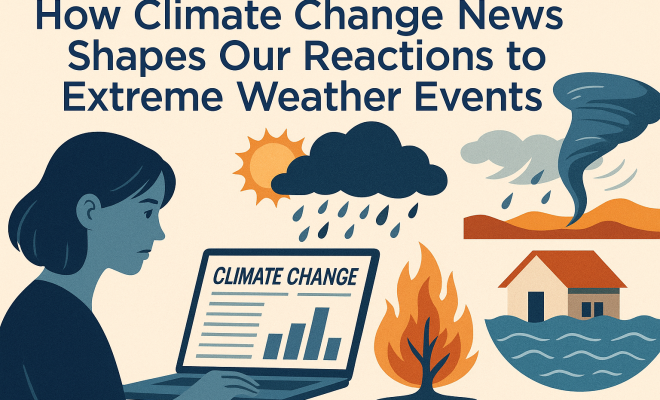
Climate Change News: Shaping Reactions to Extreme Weather
“`html
In recent years, climate change has surged into the public consciousness, fueled by alarming weather events that are becoming more frequent and intense. These incidents aren’t just meteorological phenomena; they serve as critical junctures prompting shifts in public behavior and understanding. A recent study has shed light on a fascinating dynamic: the interplay between extreme weather events, media coverage, and public interest in climate change. This research reveals how climate change news significantly influences the way individuals search for information, especially following extreme weather events.
The Power of Extreme Weather Events
Extreme weather events—ranging from devastating hurricanes to scorching heatwaves—are not merely random occurrences; they are becoming more consistent reminders of the impacts of climate change. According to the National Oceanic and Atmospheric Administration (NOAA), the U.S. alone experienced 22 separate billion-dollar weather and climate disasters in 2021. As these events become more frequent, the collective psyche of the public begins to shift. People start to connect the dots between the weather they experience and climate change.
However, this connection isn’t solely driven by personal experiences or direct impacts. The media plays a vital role in shaping public perception. When a hurricane approaches or a record heatwave strikes, news outlets ramp up their coverage, often linking these events to broader climate change narratives. In this environment, the public’s search behavior around climate change intensifies.
Media Coverage and Public Attention
The study in question examines how media narratives surrounding extreme weather incidents can influence search behaviors related to climate change. When extreme weather events dominate the headlines, they create a sense of urgency that prompts individuals to seek out information. This is particularly true for people who may have previously been indifferent to climate issues. The research shows that after significant weather events, there is a notable spike in online searches for climate change information.
For instance, after a major hurricane, searches for phrases like “climate change” and “global warming” can see substantial increases. This suggests that media coverage not only informs the public but also shapes perceptions about climate change’s relevance. The emotional weight of extreme weather combined with the urgency of news cycles creates a potent mix that drives individuals to seek explanations and answers.
Data Analysis and Findings
The study’s findings are grounded in comprehensive data analysis. Researchers examined search patterns across various geographical regions, focusing on how these patterns changed in response to climate change news following extreme weather events. Notably, the study points out a limitation: in smaller or sparsely populated regions, search volume data may not be available, potentially skewing the results toward larger urban areas where media coverage is more robust.
This emphasizes a crucial point: while the analysis showcases significant trends, it relies heavily on large-scale search behaviors rather than isolated incidents. In densely populated areas, where media coverage is abundant, the search volume for climate change-related terms surges during and after extreme weather events. The implications are clear: media scrutiny can magnify public interest and awareness, effectively bridging the gap between environmental science and everyday life.
The Psychological Impact of Climate Change News
Understanding the psychological underpinnings of why people search for climate change information during extreme weather is essential. The emotional response to disasters—fear, anxiety, urgency—can manifest in a desire for knowledge. When individuals perceive a threat to their safety or the environment, they instinctively seek information to understand and cope with their fears. This behavior is not unique to climate change; in many situations involving uncertainty, people look to news sources for explanations and guidance.
The study suggests that the intensity of media coverage can amplify these feelings, driving more individuals to search for climate change-related information. This phenomenon raises important questions about the responsibility of media outlets. If news coverage can shape public perception and spur action (or, in some cases, panic), then how should journalists approach stories on climate change and extreme weather? (See: 2021 billion-dollar weather disasters.)
The Role of Social Media in Climate Change Awareness
Social media platforms play an increasingly significant role in disseminating climate change news. With the rise of Twitter, Facebook, and Instagram, information spreads rapidly, often outpacing traditional media outlets. During extreme weather events, these platforms become hotbeds of activity, with users sharing news articles, personal experiences, and opinions. This trend further complicates how climate change news is consumed and understood.
Research has shown that social media can amplify the effects of traditional news coverage. As users share headlines and articles, they contribute to a cycle of awareness and engagement. If a trending hashtag related to climate change emerges during an extreme weather event, it can encourage more individuals to seek out information and participate in discussions. This momentum can lead to a more informed public, one that’s more likely to engage in climate advocacy or change personal behaviors.
Case Study: Hurricane Harvey
To illustrate the dynamics discussed, consider Hurricane Harvey, which struck Texas in August 2017. The storm caused unprecedented flooding, leading to widespread destruction and loss of life. During and after the hurricane, media coverage was extensive, linking the storm to climate change and discussing its implications.
In the wake of Hurricane Harvey, search queries related to climate change surged dramatically. People sought information on how climate change might have influenced the storm’s severity and frequency. This case exemplifies how extreme weather events can catalyze public interest in climate change news, as individuals grapple with the reality of climate-related threats in their lives.
The Implications for Climate Policy and Education
The relationship between extreme weather, media coverage, and climate change awareness has profound implications for climate policy and education. Policymakers and educators must recognize that media narratives can significantly influence public perception and action. As search behaviors shift in response to extreme weather events, there’s an opportunity for scientists, educators, and advocates to leverage this heightened interest.
For instance, during heightened media scrutiny following an extreme weather event, educational campaigns can be launched to inform the public about climate science and policy options. This creates a unique opportunity to engage citizens, encouraging them to participate in climate advocacy or adopt sustainable practices. Emphasizing the connection between extreme weather and climate change in these educational initiatives can help solidify the public’s understanding of these urgent issues.
The Need for Responsible Reporting
Media outlets must be aware of their role in shaping public understanding of climate change. Responsible reporting is crucial, particularly during extreme weather events. Sensationalizing weather disasters can lead to fear and misinformation, which ultimately hampers constructive dialogue around climate change solutions.
Journalists should strive for accuracy, clarity, and context when reporting on climate-related issues. By providing accurate data and expert insights, media can foster a more informed public. This, in turn, can lead to more significant support for climate policies and collective action.
A Deeper Look: The International Perspective on Climate Change News
While the focus of this article has primarily been on the United States, it’s essential to recognize that climate change news and its impacts are global phenomena. Different countries experience unique climate challenges, and the response to climate change news varies widely. For example, in countries like Bangladesh, where flooding and extreme weather are commonplace, the public is often more aware and engaged with climate issues. This heightened awareness can lead to more significant community action and policy advocacy. (See: extreme weather and climate change.)
In Europe, climate change reporting has led to robust public movements, such as the Fridays for Future protests initiated by Greta Thunberg. These movements highlight how effective climate change news can mobilize communities and influence political agendas. Countries that experience heatwaves, wildfires, or rising sea levels often see a more direct connection between their news coverage and public behavior regarding climate change.
Statistics that Speak Volumes
To better understand the dynamics of climate change news, consider some staggering statistics. According to a 2021 survey conducted by the Pew Research Center, about 70% of Americans believe climate change is affecting the weather in their local area. Furthermore, a study published in the journal Environmental Research Letters found that extreme weather events can increase public concern about global warming by up to 30% in the weeks following an event. These figures underline the critical role that immediate experiences with extreme weather play in shaping public perception of climate change and the urgency to act.
Expert Perspectives: What Do Scientists Say?
Experts in climate science emphasize the importance of accurate dissemination of information. Dr. Katharine Hayhoe, a prominent climate scientist, states, “When people see a weather event that’s out of the ordinary, it’s crucial to connect those dots to climate change. But we need to do it with care—not to instill fear but to empower action.” Her perspective reflects a growing consensus among scientists that climate change news should aim to educate rather than sensationalize.
Another expert, Dr. Michael Mann, highlights the role of misinformation in the climate debate: “In the age of social media, misinformation can spread just as rapidly as factual reporting. It’s crucial for scientists and communicators to engage with the public effectively to combat this problem.” This underscores the necessity for clarity and responsibility in how climate change news is framed and conveyed.
FAQ: Addressing Common Questions about Climate Change News
Why is climate change news important?
Climate change news is vital because it shapes public understanding and awareness of ongoing environmental issues. It informs individuals about the impacts of climate change, motivating them to take action and engage in discussions about sustainability and policy changes.
How can I stay informed about climate change?
You can stay informed by following reputable news outlets, subscribing to climate-focused newsletters, and engaging with educational resources from trusted organizations. Social media can also be a tool for staying updated, but always verify information before sharing.
What should I do if I feel overwhelmed by climate change news?
It’s natural to feel overwhelmed, given the seriousness of climate change. Consider limiting your media consumption to prevent anxiety. Engage in positive actions, like volunteering for environmental causes or joining local climate groups, which can provide a sense of community and purpose.
How can social media influence views on climate change?
Social media can amplify climate change news, providing a platform for discussion and advocacy. It allows for rapid sharing of information and can mobilize collective actions. However, it can also spread misinformation, making it critical to seek out credible sources. (See: climate change and health impacts.)
What role does education play in combating climate change?
Education is essential for raising awareness about climate change and its effects. It equips individuals with the knowledge to understand the science behind climate change and empowers them to advocate for effective policies and sustainable practices.
How can I engage with climate change issues in my community?
Engaging with climate change issues can start at the local level. You can participate in community forums, attend town hall meetings, or join local environmental organizations. Many communities have sustainability initiatives where you can contribute your time or ideas. Additionally, advocating for local policies that support renewable energy and conservation can make a significant difference.
What are some effective actions individuals can take to combat climate change?
Individuals can take several steps to combat climate change, including reducing energy consumption, using public transportation, eating a plant-based diet, and supporting sustainable businesses. Even small changes, like reducing plastic use or growing a community garden, can contribute to a larger collective impact.
What does the future hold for climate change news coverage?
The future of climate change news coverage will likely continue to evolve as new technologies and platforms emerge. As more people become aware of the impacts of climate change, the demand for accurate and actionable information will increase. News outlets, educators, and advocates must prioritize transparency and fact-based reporting to address climate issues effectively.
Conclusion: A Call to Action
The intersection of extreme weather events, media coverage, and public interest in climate change represents a critical area for research and action. As climate change news continues to evolve, understanding how it influences public perceptions and behaviors will be paramount. The responsibility lies not just with media outlets but also with individuals, educators, and policymakers to ensure that the information shared is accurate, actionable, and empowering.
As you reflect on your own responses to extreme weather and climate change news, consider how you can contribute to a better-informed society. Whether it’s sharing factual information, engaging in discussions, or advocating for climate action, your voice matters.
“`
Trending Now
Frequently Asked Questions
How does climate change influence extreme weather events?
Climate change contributes to the increased frequency and intensity of extreme weather events, such as hurricanes and heatwaves. These occurrences serve as reminders of climate change's impacts, prompting the public to connect their experiences with broader climate narratives.
What role does media play in shaping public perception of climate change?
Media coverage significantly influences public perception of climate change, especially during extreme weather events. News outlets often link these events to climate change, creating urgency and prompting individuals to seek more information about the issue.
Why do people search for climate change information after extreme weather events?
Following extreme weather events, there is a surge in public interest and search behavior regarding climate change. This is driven by heightened awareness and urgency created by media narratives that connect these events to the broader climate crisis.
What are some examples of extreme weather events linked to climate change?
Examples of extreme weather events linked to climate change include devastating hurricanes, intense heatwaves, floods, and wildfires. These occurrences have become more frequent and severe, reflecting the ongoing impacts of climate change.
How can extreme weather events impact public behavior towards climate change?
Extreme weather events can shift public behavior by increasing awareness and concern about climate change. As individuals experience or witness these events, they often become more engaged in seeking information and advocating for climate action.
Agree or disagree? Drop a comment and tell us what you think.