Paid Search vs. SEO in the AI Age: A Digital Marketing Showdown
“`html
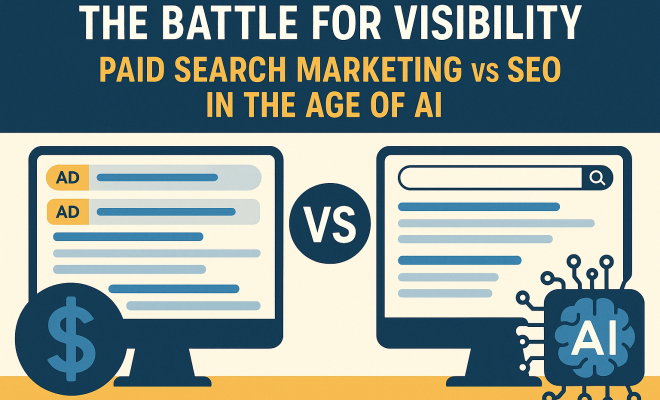
In the rapidly evolving world of digital marketing, the debate around paid search marketing vs SEO is more relevant than ever. Both strategies have their merits, but recent shifts in consumer behavior and technology have blurred the lines between them, transforming how marketers approach visibility and customer acquisition. This article dives into the nuances of these two powerful marketing strategies and explores how they can work together to create a holistic approach to promoting learning solutions.
1. The Fundamentals of Paid Search Marketing
Paid search marketing primarily revolves around pay-per-click (PPC) advertising on platforms like Google Ads. Advertisers bid on keywords relevant to their products or services, allowing them to appear at the top of search engine results pages (SERPs). This method delivers immediate visibility, making it an attractive option for businesses that require quick results. Campaigns can be tailored for specific demographics, locations, and times, giving marketers precise control over their advertising spend.
For instance, a company offering online courses might target keywords like “best online courses for marketing” or “learn graphic design online.” When users search these phrases, the ads for these courses appear prominently, capturing the attention of potential learners. However, it’s essential to consider that this visibility comes at a cost. Businesses must continuously invest in paid search marketing to maintain their presence, which can lead to budget constraints if not managed carefully.
2. The Power of SEO: Building Long-Term Authority
Search Engine Optimization (SEO), on the other hand, is about organically improving a website’s ranking on search engines through various techniques, including keyword research, content creation, link building, and on-page optimization. Unlike paid search, where results are immediate but fleeting, SEO is a long-term strategy that compounds over time. High-quality content and a well-structured website can lead to sustained visibility and authority in the market.
For learning solutions, this means creating valuable content that addresses users’ questions and needs. A blog post covering “Top 10 Tips for Effective Online Learning” can attract organic traffic and build trust among users, ultimately driving leads without the continuous cost of paid ads. As Google’s algorithms evolve to favor high-quality, relevant content, SEO remains a vital component of any marketing strategy.
3. Complementary Strategies: The New Marketing Paradigm
Gone are the days when paid search and SEO were viewed as separate entities vying for the same audience. Instead, they have emerged as complementary strategies that can enhance each other’s effectiveness. By integrating paid search campaigns with a robust SEO strategy, marketers can achieve a balanced approach that captures both immediate demand and builds long-term authority.
For example, a business could launch a PPC campaign targeting specific keywords while simultaneously optimizing its website for those terms. This dual approach not only increases visibility in the short term but also aids in building momentum for organic search rankings. When consumers see ads and organic listings for the same product or service, it fosters trust and increases the likelihood of conversion.
4. The Role of AI in Shaping Search Strategies
The advent of AI-driven search experiences, such as Google AI Overviews, ChatGPT, and other AI tools, is reshaping how consumers discover products and services. These technologies have introduced new paradigms for user interaction, making it crucial for marketers to rethink their strategies. Consumers are now accustomed to receiving answers directly through AI interfaces, sometimes bypassing traditional search results altogether.
As a result, businesses must adapt quickly to avoid losing visibility in both traditional and AI-generated search experiences. What does this mean for our discussion on paid search marketing vs SEO? It emphasizes the need for a comprehensive strategy that includes not only optimizing for keywords but also understanding how AI influences consumer behavior. Marketers must ensure that their content is not only discoverable but also resonates with AI algorithms to maintain a competitive edge.
5. The FOMO Factor: Adapting to Change
As AI continues to revolutionize search engines, marketers are feeling a sense of FOMO (Fear of Missing Out) regarding visibility. The fear of being left behind in search results is driving teams to reconsider their marketing budgets and strategies. Businesses that do not adapt to the changing landscape risk losing both immediate visibility through paid search and longer-term opportunities through SEO.
This urgency has led many companies to allocate more resources toward understanding AI and its impact on SEO and paid search. With the right investments in technology and expertise, marketers can not only keep pace with changes but also leverage them to their advantage. For example, incorporating AI tools can enhance keyword research, content creation, and even ad targeting, streamlining processes and boosting effectiveness.
6. Keyword Bidding and Retargeting: Key Strategies in Paid Search
Keyword bidding is a cornerstone of paid search marketing. Marketers must research and select the right keywords to target, which involves analyzing search volume, competition, and cost-per-click (CPC). This can be a challenging task, but it’s essential to capture the right audience. For instance, learning solutions targeting corporate training might focus on terms like “employee training programs” or “corporate e-learning solutions.” (See: Search engine marketing overview.)
Moreover, retargeting campaigns can significantly enhance the effectiveness of paid search marketing. By targeting users who have previously visited your site, you can remind them of your offerings and encourage them to return. This strategy not only increases the chances of conversion but also helps keep your brand top-of-mind in a competitive landscape.
7. Branded vs Non-Branded PPC: Understanding the Differences
In the realm of paid search, differentiating between branded and non-branded PPC campaigns is critical. Branded PPC involves bidding on keywords that include your company’s brand name, while non-branded PPC targets more generic keywords. For example, a company like “CourseHero” might bid on its own brand name in addition to broader terms like “study resources” or “online tutoring.”
Branded campaigns often yield higher click-through rates (CTR) since users are already familiar with the brand. However, non-branded campaigns can help capture a broader audience that may not yet know about your brand. Businesses should strike a balance between the two to maximize their reach and build brand awareness while also attracting new customers.
8. Measuring Success: KPIs for SEO and Paid Search
Measuring the success of both SEO and paid search marketing requires different key performance indicators (KPIs). For paid search, metrics such as CTR, conversion rate, and cost-per-acquisition (CPA) are essential to evaluate effectiveness. These metrics provide insights into how well your ads are performing and where adjustments may be needed.
On the other hand, SEO success is often gauged by organic traffic, keyword rankings, and domain authority. Understanding these metrics allows marketers to refine their strategies, ensuring that both paid and organic efforts are aligned toward achieving overall business goals.
9. Case Studies: Successful Integration of SEO and Paid Search
Many organizations have successfully integrated paid search marketing and SEO into their overarching marketing strategies. For instance, a leading online learning platform launched a comprehensive campaign that combined both approaches. They utilized paid ads to drive traffic to their new courses while simultaneously optimizing existing content to improve organic rankings.
This strategy not only increased immediate enrollments through paid search but also led to a significant boost in organic traffic over time. By analyzing data from both channels, the marketing team could determine which keywords performed best and adjust their campaigns accordingly, ultimately maximizing their ROI.
10. The Future of Marketing: Harmonizing Strategies in a Dynamic Landscape
As we look to the future, it’s clear that the lines between paid search marketing and SEO will continue to blur. The rise of AI and evolving consumer expectations mean that marketers must stay agile and continuously adapt their strategies. The most successful businesses will be those that recognize the complementary nature of both channels and utilize them in tandem.
In a world where visibility is crucial, understanding the strengths of each strategy and leveraging them effectively can lead to sustainable growth and success. By embracing both paid search and SEO, marketers can create a robust, adaptable framework that resonates with audiences, builds trust, and drives conversions. The time to act is now — don’t let FOMO dictate your marketing strategy. Stay informed, stay agile, and ensure your business thrives in this dynamic environment.
11. Understanding the Cost Implications of Paid Search vs SEO
When weighing paid search marketing vs SEO, the cost implications play a significant role in decision-making. Paid search involves ongoing expenses based on the bidding strategy, keyword competitiveness, and the overall marketing budget. For instance, more competitive keywords like “online MBA programs” may require higher bids, leading to increased costs.
In contrast, while SEO may seem initially more cost-effective, it typically requires investment in quality content, SEO tools, and possibly hiring specialists. Over time, the ROI from SEO can be more substantial as organic traffic builds up. According to a report by HubSpot, businesses that prioritize blogging are 13 times more likely to see a positive ROI compared to those that don’t. This highlights the potential for long-term benefits associated with SEO investments.
12. Consumer Behavior: The Shift Towards Organic Search
Understanding consumer behavior is vital in the discussion of paid search marketing vs SEO. Recent studies indicate that many users prefer organic search results over paid ads. A survey conducted by Search Engine Land found that nearly 70% of users clicked on organic listings instead of ads. This preference emphasizes the importance of a strong SEO strategy to capture user interest and trust.
Moreover, consumers often perceive organic listings as more credible. Therefore, even if a business invests heavily in paid search, it may still struggle to gain consumer trust if they neglect their SEO efforts. A well-rounded approach that prioritizes both can enhance credibility and lead to higher conversion rates.
13. Maximizing Your Marketing Budget: Where to Allocate Resources
Deciding how to allocate marketing budgets between paid search and SEO can be daunting. A common strategy involves allocating a larger portion of the budget towards paid search during initial launches or new product releases, where immediate visibility is critical. As your brand gains traction and organic rankings improve, you can gradually shift resources toward SEO efforts. (See: Youth risk behavior survey data.)
Additionally, consider A/B testing for your PPC campaigns. By experimenting with different ad copies and targeting strategies, you can determine what resonates best with your audience, maximizing your spend. Using the data collected from these campaigns can also inform your SEO strategy, helping you identify high-performing keywords for organic optimization.
14. SEO and Paid Search in Specific Industries
Different industries may see varying results from paid search and SEO strategies. For example, e-commerce businesses often benefit significantly from paid search, especially during peak shopping seasons. Promotions and discounts can be effectively marketed through targeted ads, driving traffic that converts quickly.
Conversely, B2B companies may find more success with SEO. Providing in-depth content that addresses pain points can establish authority and trust within a niche market. A study by DemandGen found that 47% of buyers viewed three to five pieces of content before engaging with a sales representative. This suggests that SEO-focused strategies might be more effective in nurturing leads over time.
15. Frequently Asked Questions (FAQ)
What is the main difference between paid search marketing and SEO?
The primary difference lies in how visibility is achieved. Paid search marketing involves paying for ads to appear at the top of search results, while SEO focuses on optimizing content to rank organically without direct payment. Paid search provides immediate results, while SEO builds long-term authority.
Is paid search marketing worth it?
Yes, for many businesses, paid search marketing can be highly effective, especially when immediate visibility is necessary. However, it can become costly over time if not managed properly. A balanced approach that incorporates both paid search and SEO can often yield the best results.
How long does SEO take to show results?
SEO is a long-term strategy, and it may take several months to start seeing significant results. Factors such as competition, content quality, and website optimization all play a role in how quickly your efforts will pay off. Patience and consistent effort are key.
Can I rely solely on paid search marketing?
While paid search can provide immediate results, relying solely on it isn’t advisable for long-term growth. As soon as you stop funding your campaigns, your visibility will drop. Combining paid search with SEO creates a sustainable strategy that ensures ongoing visibility and engagement.
How can I measure the success of my SEO efforts?
Success in SEO can be measured through various metrics including organic traffic, keyword rankings, bounce rates, and conversion rates. Tools like Google Analytics and SEMrush can help track these metrics effectively and provide insights for improving your SEO strategy.
Is it possible to do both SEO and paid search simultaneously?
Absolutely! In fact, many businesses find that combining both strategies allows them to maximize their online presence and leverage the strengths of each. While paid search drives immediate traffic, SEO builds long-term authority, making them powerful allies in a digital marketing strategy.
16. The Psychological Impact of Paid Search vs SEO
Understanding the psychological factors that influence customer behavior can be a game-changer in the paid search marketing vs SEO debate. Consumers often respond differently to paid ads compared to organic search results. Studies show that users tend to trust organic results more, viewing them as endorsements from search engines like Google.
This psychological trust in organic results is crucial. When potential customers see your site listed prominently without an accompanying ad, they perceive your brand as more reputable. Conversely, while paid ads provide immediate visibility, they can sometimes be viewed as intrusive or less credible by savvy consumers. This is especially true for younger audiences who may rely more heavily on peer recommendations and organic content than on paid advertisements. (See: Google Ads impact on businesses.)
Brands that recognize the importance of psychological trust can craft marketing messages that resonate better and build long-lasting relationships with their audiences. For instance, a company offering online courses might utilize testimonials and case studies in their SEO-driven content to build trust, while still using paid ads for immediate visibility during a course launch.
17. Long-Term vs Short-Term Results: What to Expect
When deciding between paid search marketing vs SEO, it’s critical to understand the distinction between short-term and long-term results. Paid search can provide immediate traffic flow and visibility, ideal for time-sensitive campaigns or product launches. However, this advantage often comes at the cost of sustainability. Once the ad budget runs out, so does the visibility.
On the flip side, SEO is a long-term investment. While it may take several months to optimize a site and see significant traffic growth, the results can yield compounding benefits. The organic traffic gained can sustain itself over time, leading to lower costs per acquisition as the website gains authority and trust with users. According to a study by Backlinko, the first result on Google receives 31.7% of all clicks, showcasing the long-term value of achieving high organic search rankings.
18. The Impact of Local SEO and Paid Search on Local Businesses
For local businesses, the comparison between paid search marketing vs SEO takes on an additional layer of complexity. Local SEO focuses on optimizing a business’s online presence to attract more business from relevant local searches. This includes using location-based keywords and claiming business listings on platforms like Google My Business.
Paid search can also be extremely effective for local businesses. Targeted ads can reach potential customers actively searching for services in their vicinity, providing immediate visibility. For example, a local restaurant can utilize paid ads to feature special promotions during peak dining hours.
However, the integration of local SEO with paid search can create a powerful synergy. A business that optimizes its local SEO will likely see improved performance for its paid ads as well, as both strategies can help reinforce the brand’s message and credibility in the community.
19. Best Practices for Combining Paid Search and SEO
To truly harness the power of both paid search marketing and SEO, consider implementing some best practices. Begin by conducting comprehensive keyword research to identify high-value keywords for both strategies. This ensures you’re not only bidding on the right terms in paid search but also optimizing content around them for SEO.
Next, share insights between your SEO and paid search teams. Data from paid search campaigns can inform SEO strategies and vice versa. For instance, if analytics show certain keywords have high conversion rates in paid search, consider creating additional content around those terms for your SEO strategy.
Lastly, continually refine and optimize. Regularly review performance metrics for both paid and organic search strategies. By staying agile and responsive to data-driven insights, you can allocate resources more effectively and maximize ROI across both channels.
“`
Trending Now
Frequently Asked Questions
What is the difference between paid search marketing and SEO?
Paid search marketing involves using pay-per-click (PPC) advertising to gain immediate visibility on search engines, while SEO focuses on improving a website's organic ranking through techniques like keyword research and content creation. Paid search offers quick results, whereas SEO is a long-term strategy that builds authority over time.
How does paid search marketing work?
Paid search marketing operates by allowing advertisers to bid on keywords relevant to their products or services. Ads appear at the top of search engine results pages (SERPs), delivering immediate visibility to businesses. Campaigns can be customized for specific demographics and locations, but ongoing investment is necessary to maintain visibility.
Is paid search marketing worth the investment?
Paid search marketing can be worth the investment for businesses needing quick visibility and customer acquisition. However, it requires careful budget management, as continuous spending is necessary to keep ads running. Evaluating return on investment (ROI) is crucial to determine its effectiveness for your specific goals.
What are the benefits of using SEO?
SEO provides long-term benefits by improving a website's organic ranking, which leads to sustained visibility and authority over time. Unlike paid search, the results from SEO efforts can compound, resulting in increased traffic and potential leads without continuous investment, making it a cost-effective strategy in the long run.
Can paid search marketing and SEO work together?
Yes, paid search marketing and SEO can work together to create a comprehensive marketing strategy. While paid search delivers immediate results, SEO builds long-term authority and traffic. Using both approaches allows businesses to maximize visibility, reach different audience segments, and balance short-term and long-term marketing goals.
What did we miss? Let us know in the comments and join the conversation.