US Lifts Hormuz Blockade: Oil Markets React (June 2026)
“`html
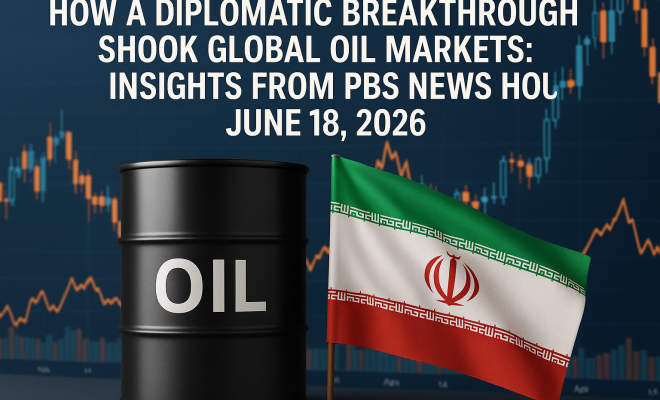
The episode of PBS News Hour June 18, 2026 brought viewers a pivotal moment in international relations, as the United States announced the lifting of its blockade on the Strait of Hormuz. This decision followed a groundbreaking agreement with Iran, which has immense implications not only for regional stability but also for global energy markets and shipping dynamics. Let’s unpack the details of this historic event and its ramifications.
1. The Strait of Hormuz: A Crucial Global Shipping Lane
The Strait of Hormuz is often described as the gateway to global oil supplies, connecting the Persian Gulf with the Gulf of Oman. Approximately 20% of the world’s oil passes through this narrow waterway, making any shift in its accessibility a matter of great concern. For decades, tensions in this area have been a flashpoint for geopolitical strife, especially between the United States and Iran.
The blockade had significant consequences, not just diplomatically but economically. The cost of oil fluctuated sharply in response to any news regarding the Strait, affecting everything from gas prices in the U.S. to global inflation rates. Therefore, the lifting of the blockade signals a hopeful turn, suggesting that the U.S. and Iran are willing to engage in dialogue that could lead to a more stable region.
2. The Diplomatic Breakthrough with Iran
The announcement that the U.S. would remove its blockade came as part of a broader agreement aimed at fostering peace between the two nations. Interestingly, the negotiations have been quietly ongoing for several months, culminating in this unexpected yet welcome resolution. This agreement is not simply about oil; it addresses various issues, including nuclear proliferation and regional security.
Experts are optimistic that this shift could lead to further diplomatic engagements. By showing a willingness to compromise, both nations may pave the way for future agreements that focus on long-term stability, rather than short-term gains. The PBS News Hour June 18, 2026 highlighted comments from diplomats who have been involved in the discussions, indicating a cautious but optimistic outlook.
3. Impact on Global Energy Markets
The immediate effect of lifting the blockade is expected to be felt across global energy markets. Analysts predict that oil prices will stabilize, which could be a relief for consumers and businesses alike. In fact, many economists had been bracing for a surge in prices if tensions escalated further.
As the blockade lifted, the market reacted swiftly. Futures contracts for oil showed signs of recovery, and investors began to regain confidence. This renewed stability could encourage investment in energy sectors across the board, facilitating growth and innovation in energy production and distribution.
4. Insurance and Shipping Risks
With the potential for a more peaceful Strait of Hormuz, shipping insurance rates may also begin to stabilize. During times of heightened tensions, insurance premiums typically increase due to perceived risks associated with shipping through conflict-prone regions. The PBS News Hour June 18, 2026 episode noted that these rates could drop as the risk landscape changes.
This news is critical for shipping companies that rely on this passage to transport goods, including oil, liquefied natural gas, and other commodities. A decline in insurance costs allows for lower transportation fees, benefitting both businesses and consumers globally.
5. Political Ramifications in the U.S.
While the announcement regarding the Strait of Hormuz captured global attention, another significant U.S. policy change was introduced in the same news cycle: a new law in Tennessee mandating that immigration status be reported to ICE when children access government-funded healthcare. This policy has ignited political debates and further polarized discussions around immigration.
This law highlights the complex interplay between state and federal policies, as well as the ongoing national conversation surrounding immigration. Critics argue that such a law could deter families from seeking necessary healthcare for their children, while supporters claim it is a necessary step in ensuring compliance with immigration laws.
6. Examining the Broader Context of U.S.-Iran Relations
The relationship between the United States and Iran has a long and complicated history, filled with conflict and mistrust. The lifting of the blockade represents a significant shift in this relationship, but it’s essential to consider the broader context of past negotiations and failed agreements. The PBS News Hour June 18, 2026 episode emphasized that, while this agreement is a positive step, the road ahead will require sustained dialogue and collaboration. (See: Strait of Hormuz overview.)
Moreover, Iran has been under economic pressure due to various sanctions, and this agreement could alleviate some of that burden, allowing for greater economic engagement. However, it remains to be seen how both nations will navigate their historical grievances while forging a new path forward.
7. Regional Implications Beyond Iran
The implications of the U.S.-Iran agreement extend beyond the two nations involved. Several neighboring countries, including Saudi Arabia and the United Arab Emirates, are closely monitoring developments in the Strait of Hormuz. Any shift in power dynamics could impact their own security and economic interests.
Additionally, the Gulf Cooperation Council (GCC) countries may find themselves recalibrating their foreign policy strategies in light of this new agreement. A more stable and cooperative Iran might lead to a reduction in tensions across the region, fostering a climate more conducive to trade and diplomatic engagement.
8. Public Reaction and Sentiment
The public response to the lifting of the blockade has been mixed, reflecting the complex emotions surrounding U.S.-Iran relations. Many Americans are optimistic about the potential for peace, while others remain skeptical, fearing that such agreements could enable further Iranian aggression.
Social media platforms quickly lit up with discussions about the implications of this agreement, showcasing a wide range of opinions. The PBS News Hour June 18, 2026 episode found that public sentiment is highly influenced by the political polarization surrounding foreign policy issues, complicating the discourse around the ongoing U.S.-Iran relationship.
9. Looking Ahead: What’s Next for U.S.-Iran Relations?
As we look ahead, the opportunity for a more stable U.S.-Iran relationship is palpable. Analysts suggest that continued dialogue is essential, especially as both nations navigate the complexities of their past interactions. The key will be balancing national interests with the public’s desire for security and economic stability.
The recent developments could also lead to further diplomatic efforts involving other nations in the region, potentially setting the stage for broader peace agreements. As the international community watches closely, the coming weeks and months will be crucial in determining the future trajectory of U.S.-Iran relations.
10. The Intersection of Diplomacy and Domestic Policy
The events of June 18, 2026, remind us of the interconnectedness of diplomacy and domestic policy. While the international focus is on peace and stability, issues like the Tennessee law underline the ongoing challenges that U.S. policymakers face within their own borders. As foreign policy shifts, domestic implications cannot be overlooked.
It is essential for policymakers to strike a balance between addressing international relations and managing domestic concerns. The lifting of the blockade opens doors for meaningful dialogue with Iran, but domestic challenges will require equal attention for a comprehensive approach to governance.
11. Economic Perspectives: Analyzing the Potential Economic Upsurge
As a direct result of the lifting of the blockade, economic analysts are predicting a potential upswing in various sectors, particularly in energy and trade. The prospect of increased oil flow through the Strait of Hormuz could lead to a significant decrease in oil prices over the long term, which would benefit countries heavily reliant on oil imports.
For instance, the economies of Japan and South Korea, which depend largely on Middle Eastern oil, could see a decline in energy costs, facilitating a more favorable balance of trade. The PBS News Hour June 18, 2026 mentioned that these countries are already preparing to adjust their energy strategies in anticipation of more stable supply lines.
12. Security Landscape in the Middle East
The lifting of the blockade may also impact the broader security landscape in the Middle East. Countries such as Iraq and Afghanistan are keenly aware of the shifts in U.S.-Iran relations, as these developments could alter their own security dynamics. An improved relationship between the U.S. and Iran could lead to collaborative efforts to combat extremist groups in the region, such as ISIS and Al-Qaeda.
This potential collaboration could result in shared intelligence and coordinated military efforts, possibly reducing the need for direct U.S. military presence in the region. The PBS News Hour June 18, 2026 discussed how regional stakeholders are cautiously hopeful that a more cooperative environment could lead to enhanced security cooperation. (See: Iran travel health information.)
13. Exploring the Impact on Global Trade
When considering the implications of the lifting of the blockade, it’s crucial to analyze how global trade patterns might shift. The Strait of Hormuz is not just about oil; it’s a vital route for various goods, including consumer products and agricultural items. A secure and stable Strait would mean that shipping routes could operate without the fear of disruption, which could lower prices for consumers worldwide.
Trade analysts predict that companies may begin to explore new supply chain routes if the Strait remains stable. Shipping times could decrease, leading to faster delivery of goods. The PBS News Hour June 18, 2026 highlighted that companies, especially those in manufacturing and retail, are already re-evaluating their logistics strategies in light of this new development.
14. Frequently Asked Questions
What prompted the U.S. to lift the blockade on the Strait of Hormuz?
The decision to lift the blockade was largely influenced by a renewed diplomatic agreement with Iran, which aimed to address various issues including nuclear proliferation and regional security. This agreement signifies a willingness from both nations to engage in dialogue and work towards a more stable relationship.
How will the lifting of the blockade affect oil prices?
Analysts predict that lifting the blockade will lead to a stabilization of oil prices. As oil flows through the Strait of Hormuz without the threat of blockade, this is expected to create a more balanced supply and demand dynamic, which could keep prices lower for consumers.
What are the potential risks associated with this agreement?
While the agreement is a step towards peace, risks remain. Skeptics worry that Iran might exploit the lifting of sanctions to bolster its military capabilities or continue its proxy influence in regional conflicts. Continuous monitoring and diplomatic engagement will be necessary to mitigate these risks.
How might other countries in the region respond to this development?
Neighboring countries, especially those in the Gulf Cooperation Council (GCC), are likely to recalibrate their foreign policies in response to the U.S.-Iran agreement. Some may seek to strengthen alliances, while others might pursue more independent security arrangements to safeguard their interests.
What does the future hold for U.S.-Iran relations?
The future of U.S.-Iran relations is still uncertain. While the lifting of the blockade is a positive development, it will require sustained dialogue and collaboration to navigate historical grievances and foster a genuine partnership moving forward.
15. Comparing Historical Agreements
When examining the current U.S.-Iran agreement, it is helpful to compare it to historical agreements that have shaped the two nations’ relationship. The 2015 Joint Comprehensive Plan of Action (JCPOA), commonly known as the Iran nuclear deal, is one example. This agreement aimed to limit Iran’s nuclear capabilities in exchange for lifting economic sanctions. However, the subsequent U.S. withdrawal from the JCPOA in 2018 led to increased tensions and escalated confrontations.
In contrast, the recent agreement appears to address not only nuclear issues but also broader regional stability and economic relations, showcasing a more holistic approach. Moving forward, maintaining the momentum of this positive agreement is crucial; unlike past agreements, it will need to be supported by consistent diplomatic efforts and verification measures to ensure compliance.
16. Expert Perspectives: Voices from the Field
Experts in international relations have provided varied insights into the recent developments highlighted in the PBS News Hour June 18, 2026. Dr. Lisa Houghton, a scholar at the Center for Middle Eastern Studies, stated that the lifting of the blockade could serve as a catalyst for a new era in U.S.-Iran diplomacy, emphasizing the importance of building trust through ongoing negotiations.
Conversely, military analysts like Colonel Mark Peterson warn that while this agreement is a step in the right direction, it should be approached with caution. He notes that Iran’s history of non-compliance with previous agreements raises the question of whether the current framework has sufficient mechanisms to ensure accountability. (See: BBC coverage on U.S.-Iran relations.)
These expert perspectives underscore the necessity of a nuanced approach to evaluating the agreement’s implementation and its potential impact on both the regional and international stage.
17. Environmental Implications of Increased Oil Flow
The lifting of the blockade may have significant environmental implications as well. Increased oil flow through the Strait of Hormuz could lead to heightened risks of oil spills and maritime accidents. Environmentalists are particularly concerned about the ecological effects on marine life in the Persian Gulf, a region already stressed by industrial activities.
Furthermore, as global oil consumption rises, the environmental repercussions of extracting and transporting oil must be closely monitored. The PBS News Hour June 18, 2026 provided insights from environmental organizations advocating for a transition toward renewable energy sources, arguing that the focus should not solely be on stabilizing oil markets but also on promoting sustainable practices to combat climate change.
18. Educational Initiatives and Public Awareness
The lifting of the blockade on the Strait of Hormuz opens up opportunities for educational initiatives aimed at increasing public awareness regarding U.S.-Iran relations and global energy issues. Educational programs can play a critical role in shaping how future generations view diplomacy, conflict resolution, and international cooperation.
Universities and think tanks could develop workshops and seminars that bring together experts, policymakers, and students to discuss the complexities of international relations, the implications of energy policies, and the importance of environmental stewardship. The PBS News Hour June 18, 2026 emphasized the need for a well-informed public that can engage in meaningful dialogue about these pressing issues.
19. The Role of Social Media in Shaping Public Opinion
In today’s digital age, social media platforms have transformed the landscape of public discourse. Following the announcement of the lifting of the blockade, platforms like Twitter, Facebook, and Instagram became forums for individuals to express their opinions, share news, and mobilize support or opposition.
While these platforms can amplify voices, they can also contribute to the spread of misinformation. The PBS News Hour June 18, 2026 discussed how social media can both inform and misinform the public, making it crucial for users to critically evaluate the sources of information regarding international relations and diplomatic efforts.
20. Final Thoughts on the Future of Global Diplomacy
As we reflect on the developments discussed in the PBS News Hour June 18, 2026, it becomes clear that the agreement to lift the blockade on the Strait of Hormuz may well be a turning point for not only U.S.-Iran relations but also for global diplomacy as a whole. The need for international cooperation, understanding, and dialogue has never been more crucial in an increasingly interconnected world. Whether this agreement leads to lasting peace will depend on the commitment of all parties involved to pursue constructive engagement and mutual respect.
“`
Trending Now
Frequently Asked Questions
What is the significance of the Strait of Hormuz in global oil markets?
The Strait of Hormuz is crucial for global oil supplies, as it facilitates the passage of approximately 20% of the world's oil. Any changes in its accessibility can significantly impact oil prices and global economic stability, making it a focal point for geopolitical tensions, particularly between the U.S. and Iran.
How did the U.S. lifting the blockade affect oil prices?
The lifting of the U.S. blockade on the Strait of Hormuz is expected to stabilize oil prices, which have historically fluctuated due to tensions in the region. This decision signals a potential easing of geopolitical strife, which can lead to more predictable pricing in global oil markets.
What led to the diplomatic breakthrough between the U.S. and Iran?
The diplomatic breakthrough resulted from months of quiet negotiations aimed at addressing various issues, including nuclear proliferation and regional security. The U.S. decision to lift the blockade on the Strait of Hormuz indicates a willingness from both nations to engage in dialogue and seek a peaceful resolution.
What are the implications of the U.S.-Iran agreement for regional stability?
The U.S.-Iran agreement is seen as a positive step towards fostering peace and stability in the region. By addressing critical issues and showing a willingness to compromise, both nations may create an environment conducive to further diplomatic engagements, potentially reducing future conflicts.
How does the blockade on the Strait of Hormuz impact global inflation rates?
The blockade on the Strait of Hormuz has significant implications for global inflation rates, as fluctuations in oil prices directly affect transportation and production costs worldwide. Any disruptions in this critical shipping lane can lead to increased prices for consumers and contribute to broader economic instability.
What’s your take on this? Share your thoughts in the comments below — we read every one.