EU Leaders Confront Energy Crisis Amid Geopolitical Turmoil
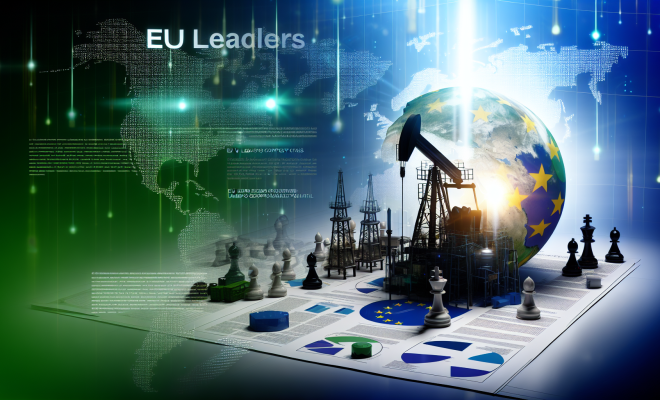
As European leaders gathered in Brussels on March 19-20, 2026, the continent faced a dual crisis: an escalating energy situation exacerbated by ongoing conflicts in the Middle East and Ukraine. The summit provided a platform for discussions aimed at addressing the urgent energy needs of EU nations while navigating the complex geopolitical landscape.
The Energy Crisis: A Background
The ongoing war in the Middle East has disrupted oil supplies, leading to a sharp increase in energy prices across Europe. The situation has been compounded by the protracted conflict in Ukraine, which has already strained resources and political alliances. As energy prices soar, European leaders are under immense pressure to find solutions that can stabilize the market and ensure energy security.
Key Issues at the Summit
One of the most contentious topics discussed during the summit was Hungarian Prime Minister Viktor Orbán’s veto of a crucial loan intended for Ukraine. This veto threatens to undermine EU solidarity as member nations grapple with the implications of their varying stances on supporting Ukraine. The loan was designed to provide much-needed financial assistance to bolster Ukraine’s economy, which has been severely impacted by the war.
Viktor Orbán’s Opposition
Orbán’s position reflects Hungary’s unique stance within the EU, where it has often found itself at odds with other member states over issues of foreign policy and economic support. The Prime Minister’s refusal to endorse the loan highlights the delicate balance of power within the EU, where consensus is crucial for decisive action. Critics argue that Hungary’s actions could have broader repercussions for the EU’s ability to respond to the energy crisis effectively.
Responses to the Energy Shock
In light of the fresh energy shock, EU leaders are exploring various strategies to mitigate the crisis. These include:
- Diversification of Energy Sources: Leaders are discussing the need to reduce reliance on volatile regions for energy supplies, exploring alternative sources such as renewable energy and LNG (liquefied natural gas) imports.
- Energy Efficiency Measures: There is a push for increased energy efficiency across member states to reduce overall consumption and reliance on imported fuels.
- Financial Support Mechanisms: The summit is examining potential financial packages to assist countries most affected by rising energy prices and to stabilize the market.
Expert Insights
During the summit, prominent figures shared their insights on the unfolding situation. Former U.S. National Security Advisor John Bolton emphasized the importance of a united European front in addressing energy security, stating, “The EU must act decisively to secure its energy supply and support Ukraine simultaneously. The two issues are interconnected, and failure to address one will exacerbate the other.”
Enrico Letta, the former Prime Minister of Italy, echoed this sentiment, pointing out that the energy crisis could lead to a political rift within the EU if not managed effectively. Letta remarked, “The EU’s strength lies in its unity. If member states begin to act in isolation, it could spell disaster for our collective response to both the energy crisis and the conflict in Ukraine.”
Ukraine’s Perspective
Ukraine’s Finance Minister Serhiy Marchenko highlighted the dire consequences of the energy crisis on his country’s economy. Marchenko appealed to EU leaders for immediate assistance, stating, “Without the necessary financial support, we risk not only losing our fight against aggression but also destabilizing the entire region. A stable Ukraine is essential for European security.”
Israel and Bulgaria’s Input
Israel’s Ambassador to the EU, Daniel Meron, provided a viewpoint on the implications of the Middle East conflict on European energy markets. He noted that Israel is committed to playing a role in ensuring energy security for Europe through increased cooperation in gas supply and technology sharing.
>Bulgaria’s Andrey Gyurov also weighed in, emphasizing the need for collaborative solutions among EU member states. He stated, “We must work together to find sustainable and long-term solutions to our energy needs, rather than relying on temporary fixes that leave us vulnerable to future crises.”
The Road Ahead
As the summit unfolded, the urgency of the situation became increasingly clear. European leaders face the daunting task of balancing support for Ukraine with the immediate need to address energy shortages. The decisions made in Brussels will have lasting implications not only for the EU’s energy policy but also for the geopolitical landscape of Europe in the coming years.
In conclusion, the 2026 EU summit represents a pivotal moment for Europe. The intersection of energy security and geopolitical conflict demands a coordinated response, and the unity of the EU will be tested in the months ahead. As leaders continue to navigate these challenges, the focus remains on finding sustainable solutions that can ensure both energy security and political stability across the continent.