Artemis II: Stunning Crew Images Mark New Era of Lunar Exploration (2026)
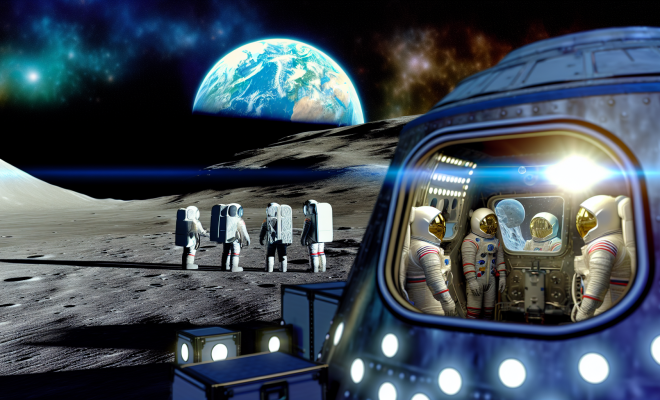
In a historic milestone for human space exploration, NASA has released the first set of images captured by the Artemis II crew during their journey around the Moon. This marks the first crewed mission to the lunar vicinity in over 50 years, a significant leap forward in humanity’s quest to explore beyond our planet.
The Journey Begins
Launched on April 5, 2026, the Artemis II mission embarked on an ambitious path to the Moon, following the success of the Artemis I uncrewed test flight. About 1.5 days into their mission, the four astronauts aboard the Orion spacecraft shared breathtaking views of Earth and the lunar landscape, demonstrating the capabilities of modern space exploration.
Meet the Artemis II Crew
The Artemis II mission is notable not just for its destination but also for its diverse and skilled crew. The team consists of:
- Christina Koch: A veteran astronaut known for her record-setting spaceflight, Koch brings significant experience in scientific research and technology development.
- Jeremy Hansen: Representing the Canadian Space Agency, Hansen is a former fighter pilot and has been training for this mission for years.
- Victor Glover: A first-time moon traveler, Glover has previously served on the ISS and is recognized for his contributions to spaceflight safety and education.
- Reid Wiseman: An experienced astronaut and former Navy pilot, Wiseman has a wealth of knowledge in piloting and mission operations.
This diverse team not only showcases international collaboration but also highlights the advancements in astronaut training and technology since the Apollo missions.
Stunning Imagery from Space
The images transmitted back from Orion are not just beautiful; they represent a technical achievement in space exploration. The crew used advanced imaging technology to capture stunning views that provide insights into both lunar geography and the vastness of space.
The first images released include:
- Majestic views of Earth as a blue marble against the dark backdrop of space.
- Detailed shots of the Moon’s surface, showcasing its craters and valleys.
- Unique perspectives of the Orion spacecraft itself, illustrating its design and functionality.
These visuals serve to inspire future generations of explorers and scientists, fueling interest in space exploration and technology.
A Step Towards Lunar Colonization
The Artemis II mission is not merely about returning to the Moon; it is a vital step towards establishing a sustainable human presence on the lunar surface. NASA’s long-term vision includes building the Lunar Gateway, a space station that will orbit the Moon and serve as a staging point for future missions to Mars and beyond.
The Artemis program aims to create a roadmap for lunar exploration that will involve:
- Conducting extensive scientific research on the Moon’s surface.
- Testing new technologies that will be crucial for future Mars missions.
- Establishing international partnerships to share the burden and benefits of space exploration.
Through Artemis II, NASA is also hopeful to involve commercial partners and expand the role of the private sector in space exploration, creating a more robust and resilient space economy.
Public Engagement and Education
The release of the Artemis II crew images coincides with NASA’s efforts to engage the public in its space exploration initiatives. Educational programs, virtual reality experiences, and interactive displays are being developed to allow people of all ages to experience the excitement of space travel.
NASA’s outreach efforts aim to:
- Encourage interest in STEM (Science, Technology, Engineering, and Mathematics) fields.
- Foster a sense of global unity as nations come together to explore the cosmos.
- Provide transparency about the mission’s goals, challenges, and achievements.
This engagement is crucial as it not only inspires future scientists and engineers but also builds public support for continued investment in space exploration.
Looking Ahead
The Artemis II mission is a testament to the advancements in space exploration since the days of Apollo. As the crew continues their journey around the Moon, the data collected and experiences gained will inform future missions and help pave the way for a new era of lunar exploration.
As humanity stands on the brink of returning to the Moon, the excitement generated by these first images serves as a reminder of the possibilities that lie ahead. With each mission, we come closer to understanding not just our Moon but also our place in the universe.
As the Artemis program progresses, we can only anticipate the wonders that await us on our journey to the stars.