Digital Glitches: Uncovering the Hidden Food Waste Crisis
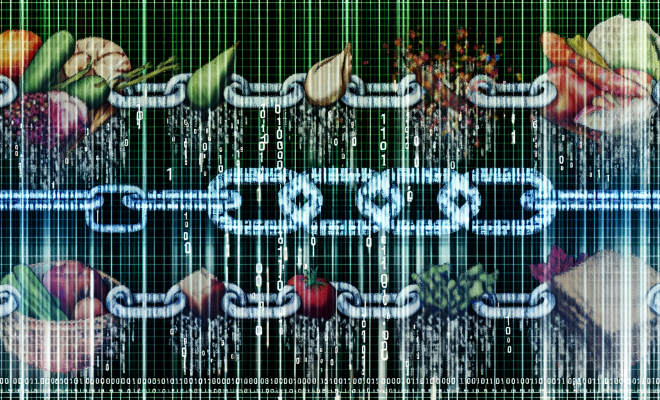
In an age where technology is revered for its ability to streamline processes and enhance efficiency, the food supply chain faces a paradoxical crisis. An alarming trend has emerged, revealing that truckloads of food are being wasted due to an over-reliance on digital systems that fail to adequately manage deliveries. This situation underscores the vulnerabilities inherent in our digital-dependent food systems, a reality that poses significant ethical and logistical challenges.
The Underlying Problem
Modern food supply chains are designed to be highly efficient, leveraging advanced digital systems to track inventory, manage deliveries, and ensure that perishable goods reach consumers in a timely manner. However, these systems are not infallible. Reports indicate that computer glitches, software bugs, and system malfunctions are increasingly preventing the approval of deliveries, resulting in truckloads of fresh produce and other perishables being discarded.
Scale of the Waste
The scale of this waste is staggering. According to recent studies, approximately 30-40% of food produced globally is wasted before it even reaches the consumer. In the United States alone, this translates to billions of pounds of food going to waste each year. The issue is exacerbated by the fact that many food suppliers and distributors are relying on complex digital systems that, while efficient on the surface, can falter under pressure.
The Role of Technology
As digital technology continues to evolve, it is becoming increasingly integrated into the logistics of food supply chains. However, this integration has led to a significant dependency on technology for critical decision-making processes. When these systems encounter glitches, the repercussions can be catastrophic. For instance, a minor software error can lead to delays in order processing, which in turn can result in food spoilage.
Case Studies and Examples
A notable example involved a major distributor that experienced a software failure, leading to the cancellation of numerous scheduled deliveries. As a result, thousands of pounds of perishable goods were left in trucks, unable to reach their intended destinations. Such incidents highlight the fragility of systems that prioritize digital solutions over human oversight and adaptability.
Supply Chain Vulnerabilities
The reliance on digital systems exposes several vulnerabilities within the food supply chain:
- Software Dependency: As systems become more automated, the potential for technical failures increases. A single glitch can halt operations, leading to significant waste.
- Lack of Contingency Plans: Many companies have not developed adequate contingency plans for system failures, leaving them ill-prepared to handle disruptions.
- Limited Human Oversight: The automation of processes can reduce the level of human intervention, which is often necessary for quick decision-making in the face of unexpected situations.
- Inflexibility: Digital systems may lack the flexibility to adapt to sudden changes in supply or demand, exacerbating waste during peak seasons.
Addressing the Crisis
Addressing the crisis of food waste due to digital failures requires a multifaceted approach:
- Improving Technology Reliability: Companies must invest in more robust technology solutions that include backup systems and fail-safes to minimize the impact of glitches.
- Enhancing Human Oversight: Maintaining a level of human intervention in decision-making processes can help mitigate the risk of waste during technical failures.
- Developing Contingency Plans: Organizations should create comprehensive contingency plans that outline steps to take in case of system failures, ensuring that food can still be redirected or donated rather than wasted.
- Promoting Collaboration: Collaboration between tech companies and food distributors can lead to more effective solutions tailored to the unique challenges of the food supply chain.
The Ethical Implications
The ethical implications of food waste are profound. Millions of people around the world suffer from food insecurity, and the continued discarding of edible food due to logistical failures raises questions about our priorities as a society. Addressing these technical vulnerabilities is not just an operational challenge; it is a moral imperative.
Conclusion
The intersection of technology and the food supply chain presents both opportunities and challenges. While digital systems have the potential to enhance efficiency, they also expose the fragility of the supply chain when they fail. As food waste continues to rise, it is essential for stakeholders across the industry to recognize the vulnerabilities in their systems and take proactive steps to mitigate the risks. In doing so, we can work towards a more sustainable and ethical food system that minimizes waste and ensures that everyone has access to the nourishment they need.