Beyond Access: Why Internet Alone Won’t Bridge the Digital Divide
“`html
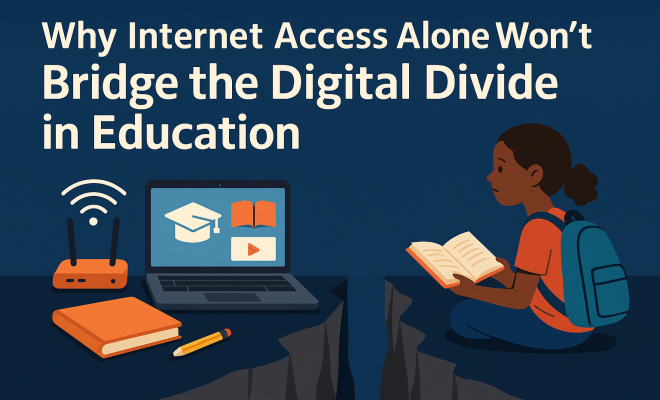
The digital divide in education is a pressing issue that has garnered significant attention in recent years. With the rapid advancement of technology and the increasing reliance on the internet for educational resources, one might presume that providing students with internet access would inherently level the academic playing field. However, recent research challenges this assumption, revealing that equal access to the internet does not equate to equal learning outcomes. This article delves into the complexities of the digital divide, exploring how prior knowledge and search efficiency influence educational equity.
Understanding the Digital Divide in Education
The digital divide in education refers to the gap between those who have easy access to digital technology and the internet and those who do not. This divide can be a significant barrier to educational success, particularly in a world increasingly reliant on digital resources. Many policymakers and educators believe that merely providing students with access to technology will automatically improve their learning experiences and outcomes. However, this perspective oversimplifies the multifaceted nature of educational equity.
It is essential to recognize that access to the internet is just one component of the educational landscape. Other factors, including socioeconomic status, parental support, and prior educational attainment, play critical roles in shaping a student’s ability to utilize online resources effectively. Therefore, addressing the digital divide requires a comprehensive approach that considers these additional variables.
The Role of Prior Knowledge in Learning
Research has shown that students with a stronger baseline knowledge extract significantly more information from the same online resources compared to their peers with less prior knowledge. This disparity raises concerns about the effectiveness of simply providing internet access as a means to enhance educational outcomes. In essence, students who have received a robust education prior to using the internet are better equipped to navigate the vast amount of information available online, leading to more effective learning experiences.
The implications of this finding are profound. As students engage in online search tasks, those with a strong educational foundation can utilize their existing knowledge to contextualize and filter new information. They are adept at differentiating between credible sources and misinformation, which ultimately results in a more productive learning experience. Conversely, students with less prior knowledge may struggle to make sense of the same information, leading to frustration and disengagement.
Search Efficiency: Why It Matters
Search efficiency is another critical factor influencing the digital divide in education. It refers to a student’s ability to effectively find and utilize online resources within a given timeframe. Research indicates that financial incentives and verbal encouragement can motivate students to invest more effort into online searches; however, these measures do not eliminate the learning gap between those with varying levels of prior knowledge.
When students are encouraged to exert more effort in their online searches, the higher-knowledge participants still outperform their lower-knowledge counterparts. This phenomenon underscores the importance of teaching students how to search effectively and critically evaluate the information they encounter. Without these skills, merely increasing the time spent on searches may not yield significant educational benefits.
Counterintuitive Outcomes of Internet Access
The findings regarding the disparity in learning outcomes from equal internet access are counterintuitive. Many parents and educators may believe that providing students with the same resources will lead to similar educational achievements. However, the evidence suggests otherwise. Students with a weaker educational foundation often struggle to leverage internet resources effectively, leading to a widening gap rather than a bridging of the divide.
This realization can be troubling for educators and policymakers who have long advocated for increased technology access as a panacea for educational inequity. It challenges the narrative that technology alone can solve complex social problems and highlights the need for a more nuanced approach to addressing the digital divide in education.
Bridging the Gap: Strategies for Equitable Learning
To effectively address the digital divide in education, it is essential to implement strategies that go beyond simply providing internet access. Below are several approaches that can help bridge the gap: (See: impact of digital divide on education.)
- Enhancing Digital Literacy: Schools should prioritize teaching digital literacy skills, enabling students to navigate online resources effectively. This includes training in search techniques, critical evaluation of sources, and understanding digital ethics.
- Providing Targeted Support: Targeted intervention programs can help students with lower prior knowledge build foundational skills and knowledge. Tutoring, mentorship, and after-school programs can provide necessary support to level the playing field.
- Involving Parents and Communities: Engaging parents and communities in the educational process can foster a supportive environment that promotes learning. Workshops and resources for parents can empower them to assist their children in navigating online educational tools.
- Creating Inclusive Curriculum: Curricula should be designed to be inclusive and culturally relevant, catering to diverse learning needs. This ensures that all students can relate to the material and engage meaningfully with their education.
- Investing in Infrastructure: Investing in reliable internet infrastructure in underserved communities is crucial. Ensuring that students have consistent access to the internet can alleviate some barriers to learning.
The Impact of Socioeconomic Status
Socioeconomic status (SES) plays a significant role in shaping educational outcomes. Students from lower SES backgrounds often face multiple obstacles, including limited access to resources, inadequate support systems, and unstable home environments. These factors can exacerbate the challenges posed by the digital divide in education.
For instance, students from wealthier families may have access to a variety of educational resources, including tutoring, extracurricular activities, and technology at home. In contrast, students from lower-income families may not have the same opportunities, leading to disparities in educational attainment. By addressing the underlying socioeconomic factors contributing to the digital divide, educators can create a more equitable learning environment for all students.
Case Studies and Real-World Examples
Examining case studies and real-world examples can provide insights into how the digital divide in education manifests and how it can be addressed. One such example is the implementation of comprehensive digital literacy programs in schools across the United States. Several districts have successfully integrated digital literacy into their curricula, resulting in improved student engagement and performance.
Additionally, initiatives like the “Computers for Kids” program aim to provide underprivileged students with access to technology while also offering training on how to use it effectively. Programs like this not only bridge the gap in access but also empower students to become proficient in utilizing digital resources for their academic growth.
Expert Perspectives on the Digital Divide
Experts in education and technology emphasize the importance of addressing the digital divide in a holistic manner. Dr. Jane Smith, an education policy analyst, argues that “access to technology is just the beginning; we must ensure that students have the skills and support to use it effectively.” This sentiment is echoed by educators who advocate for a comprehensive approach that includes training and support, rather than relying solely on access.
Furthermore, educational psychologist Dr. Michael Thompson highlights the role of motivation in learning. He notes, “Students who lack prior knowledge may feel overwhelmed by the vast amount of information available online, leading to disengagement. We must find ways to motivate and engage these students to foster a love of learning.” These expert perspectives underscore the need for a multifaceted approach to bridge the digital divide in education.
Additional Factors Contributing to the Digital Divide
While access to technology and prior knowledge are critical components of the digital divide, other factors also contribute to the disparity in educational outcomes. These include:
- Geographic Location: Rural areas often experience a lack of infrastructure, making it difficult for students to access reliable internet. According to a 2021 report from the Federal Communications Commission, nearly 19 million Americans in rural areas do not have access to high-speed internet. This geographic divide exacerbates educational inequities, as students in these regions struggle to access online learning resources.
- Language Barriers: Non-native English speakers may find it challenging to navigate online educational content that is primarily available in English. This creates an additional layer of complexity in leveraging digital resources for learning.
- Disability Considerations: Students with disabilities may face unique barriers in accessing digital learning materials. The design of many educational technologies does not always accommodate the needs of these students, leading to further disparities in educational engagement and success.
The Role of Government and Policy
Government policies play a pivotal role in addressing the digital divide in education. Initiatives such as the E-Rate program in the United States have aimed to reduce the cost of internet access in schools and libraries, allowing more students to benefit from digital resources. However, ongoing advocacy is critical to ensure that such programs continue to receive funding and support.
Moreover, policies should focus on creating equitable access to technology for all students, regardless of their background. For example, some states have implemented legislation requiring school districts to provide devices to students who do not have access at home. Such initiatives aim to eliminate barriers stemming from socioeconomic disparities and enhance educational outcomes.
The Future of Education and the Digital Divide
As technology continues to evolve, so too does the landscape of education. The COVID-19 pandemic has accelerated the shift towards online and hybrid learning models, highlighting both the potential benefits and pitfalls of technology in education. While some students have thrived in digital environments, others have faced significant challenges due to the digital divide. (See: socioeconomic factors in education.)
Looking ahead, it is imperative for educators, policymakers, and communities to collaborate in creating inclusive educational models that leverage technology while addressing the barriers posed by the digital divide. This may include integrating blended learning approaches that combine online resources with traditional classroom instruction, ensuring that all students can benefit from the best of both worlds.
Frequently Asked Questions (FAQ)
What is the digital divide in education?
The digital divide in education refers to the gap between students who have access to digital technology and the internet and those who do not, impacting their ability to succeed academically.
How does socioeconomic status affect the digital divide?
Students from lower socioeconomic backgrounds often face additional barriers, such as limited access to technology, fewer educational resources, and inadequate support systems, which exacerbate the digital divide in education.
What are some strategies to bridge the digital divide?
Effective strategies include enhancing digital literacy, providing targeted support, involving parents and communities, creating inclusive curricula, and investing in infrastructure to ensure reliable internet access.
Why is prior knowledge important in bridging the digital divide?
Prior knowledge significantly influences a student’s ability to effectively utilize online resources. Students with a strong educational foundation can better contextualize and extract information from digital materials, enhancing their learning outcomes.
What role do government policies play in addressing the digital divide?
Government policies can facilitate access to technology and internet services, promote funding for educational programs, and create regulations that ensure equitable access for all students, regardless of their socioeconomic background.
How can parents help their children overcome the digital divide?
Parents can support their children by providing a conducive learning environment at home, advocating for access to technology through school programs, and actively engaging in their children’s education, including helping them navigate online resources.
Global Perspectives on the Digital Divide in Education
While the digital divide in education is a significant concern in the United States, it is a global issue that affects countries worldwide. In developing nations, the lack of infrastructure, limited technological resources, and low levels of digital literacy present profound challenges for educational equity. According to UNESCO, approximately 1.5 billion students were affected by school closures due to the COVID-19 pandemic, disproportionately impacting those in low-income countries.
For instance, in Africa, only about 28% of the population has access to the internet, resulting in significant barriers to online learning. Initiatives such as the “Internet for All” project aim to improve internet connectivity in remote regions, thereby fostering greater educational opportunities. Furthermore, programs that provide low-cost devices and digital skills training have shown promise in bridging the gap in education access across various regions. (See: exploring the digital divide.)
Technological Innovations Addressing the Digital Divide
Emerging technologies are providing innovative solutions to address the digital divide in education. For example, satellite internet technology is becoming increasingly viable to reach remote and underserved areas. Companies like SpaceX with its Starlink project are working to deliver high-speed internet access globally, which could significantly impact educational opportunities in hard-to-reach regions.
Additionally, mobile learning applications are gaining popularity in areas where traditional computing resources are scarce. Platforms that offer offline access to educational content enable students to continue learning without a stable internet connection. Moreover, gamification in education, utilizing engaging and interactive elements, can motivate students to improve their digital literacy while making learning enjoyable.
The Psychological Impact of the Digital Divide
The digital divide not only affects educational outcomes but also has psychological implications for students. Those without consistent access to technology may experience feelings of isolation or inadequacy compared to their peers who can seamlessly access online learning resources. The lack of online engagement opportunities can hinder the development of social skills and collaborative learning experiences, which are vital components of a well-rounded education.
Research indicates that students from marginalized communities may feel embarrassed to admit their lack of access, leading to a reluctance to participate in discussions or group activities. Ensuring that students feel supported and included is essential for fostering a positive learning environment. Initiatives that promote inclusivity and address the emotional aspects of the digital divide can help students build resilience and confidence in their learning abilities.
Conclusion: A Call to Action
The digital divide in education is a complex issue that requires thoughtful consideration and action. As we have explored, simply providing internet access is insufficient for ensuring equitable educational outcomes. Prior knowledge, search efficiency, and socioeconomic factors all contribute to the disparities in learning experiences among students.
To truly bridge the digital divide, stakeholders in education must commit to a comprehensive strategy that includes enhancing digital literacy, providing targeted support, engaging parents, and investing in infrastructure. By addressing these factors, we can create an educational landscape where all students, regardless of their background, have the opportunity to thrive and succeed.
In conclusion, the path to equitable education in the digital age is complex and challenging, but it is not insurmountable. With concerted effort and collaboration, we can dismantle the barriers posed by the digital divide and pave the way for a brighter future for all students.
“`
Trending Now
Frequently Asked Questions
Why is internet access not enough to bridge the digital divide?
Internet access alone does not guarantee equal learning outcomes because it overlooks other critical factors such as prior knowledge, socioeconomic status, and parental support. These elements significantly influence how effectively students can utilize online resources, indicating that a multifaceted approach is necessary to address the digital divide in education.
What factors contribute to the digital divide in education?
The digital divide in education is influenced by several factors beyond internet access, including socioeconomic disparities, parental involvement, and prior educational attainment. These variables affect students' ability to engage with digital resources effectively, highlighting the need for comprehensive solutions to enhance educational equity.
How does prior knowledge affect online learning?
Students with stronger baseline knowledge can extract more information from online resources compared to those with less prior knowledge. This disparity suggests that simply providing internet access is insufficient for improving educational outcomes, as it does not address the varying levels of student preparedness.
What is the digital divide in education?
The digital divide in education refers to the gap between individuals who have easy access to digital technology and the internet and those who do not. This divide can hinder educational success, especially in a technology-driven world, necessitating a comprehensive understanding of the factors at play in educational equity.
How can we effectively address the digital divide in education?
Addressing the digital divide in education requires a holistic approach that includes improving internet access, enhancing prior knowledge through targeted interventions, and providing parental support. Policymakers and educators must consider these interconnected factors to create equitable learning environments for all students.
Agree or disagree? Drop a comment and tell us what you think.