Brazil Faces Severe Storms & Flooding Risks in Southeast & North (2026)
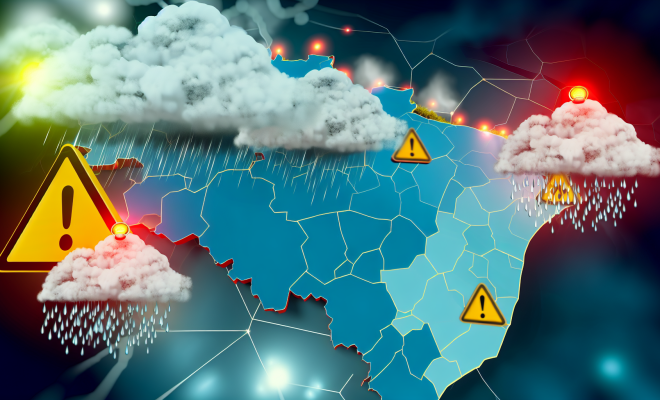
On March 20, 2026, Brazil is bracing for a significant weather event as forecasts predict intense rain and storms across the Southeast and North regions of the country. This impending weather phenomenon is expected to bring heavy downpours, thunderstorms, and a heightened risk of flooding, prompting local authorities to issue warnings for several cities.
Regions Affected by Severe Weather
The Southeast region, particularly the states of Minas Gerais, Espírito Santo, and Rio de Janeiro, is under heightened alert. Major urban centers such as Belo Horizonte and Vitória are expected to face the brunt of the storm, with forecasts indicating the likelihood of significant rainfall and resultant flooding, known locally as alagamentos.
In the North, states including Pará, Amazonas, Amapá, and Tocantins are also anticipating severe weather conditions. The convergence of atmospheric factors is set to exacerbate the situation, leading to widespread disruptions and safety concerns.
Understanding the Meteorological Conditions
The severe weather is being driven by a combination of factors, including:
- Heat and Humidity: The current environmental conditions in Brazil are characterized by elevated heat and humidity levels, which contribute to the instability in the atmosphere.
- Atmospheric Troughs: These troughs create areas of low pressure that can lead to increased cloud formation and precipitation, thereby intensifying storm activity.
- Intertropical Convergence Zone (ITCZ): The ITCZ plays a crucial role in influencing weather patterns in the region, particularly during this time of year when its effects are more pronounced.
As these elements converge, they create a perfect storm scenario that poses risks not only to infrastructure but also to public safety.
Potential Impacts of the Storm
Authorities are particularly concerned about the following potential impacts:
- Flooding: With the forecasted heavy rains, flooding in urban areas, especially in cities like Belo Horizonte, poses a significant threat to residents and infrastructure.
- Thunderstorms: The storms are likely to bring severe thunderstorms, which can lead to power outages and hazardous travel conditions.
- Landslides: In hilly regions, the heavy rainfall could trigger landslides, especially in areas that have experienced deforestation or poor land management.
- Public Safety Concerns: Local governments are urging residents to take precautions, including staying indoors during the worst of the storms and avoiding unnecessary travel.
Preparedness and Response Measures
In light of the impending storm, local authorities are mobilizing resources to ensure public safety. Key measures include:
- Emergency Services Readiness: Emergency services are on high alert, ready to respond to any incidents that may arise due to flooding or storm damage.
- Public Announcements: Local governments are utilizing social media and traditional media channels to keep residents informed about the latest weather updates and safety recommendations.
- Infrastructure Inspections: Critical infrastructure, such as drainage systems and roads, are being inspected to mitigate the impacts of flooding.
Residents are encouraged to prepare emergency kits, stay informed through reliable news sources, and heed any evacuation orders if necessary.
Looking Ahead
This severe weather event serves as a reminder of the broader implications of climate change on weather patterns in Brazil and around the globe. As the frequency and intensity of extreme weather events increase, understanding the underlying factors and preparing accordingly becomes essential.
In the coming days, meteorologists will continue to monitor the developments, providing updates as the situation evolves. For residents in the affected regions, the best course of action is to remain vigilant, stay informed, and prioritize safety as the storms approach.
As Brazil braces for this significant weather event, the resilience of its communities will undoubtedly be tested. The response of both the government and the citizens will play a crucial role in navigating the challenges posed by these powerful storms.