How to layer clothes for winter
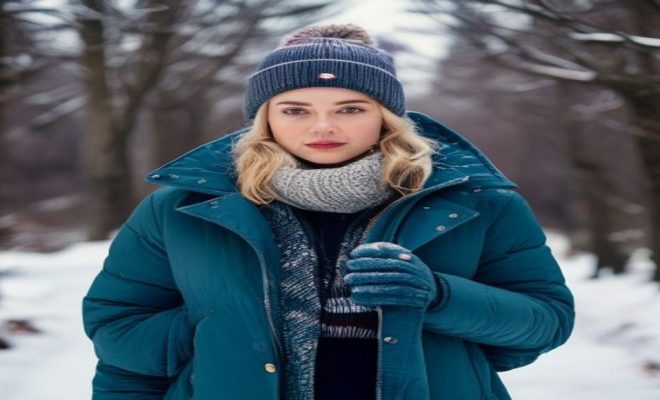
“`html
As the chill of winter sets in, mastering winter layering techniques becomes essential for staying warm and stylish. Layering not only helps you adapt to fluctuating temperatures but also allows you to express your personal style even during the coldest months. This article will walk you through the science of layering, the types of layers to consider, and practical tips for effective layering that will keep you cozy all season long.
1. Understanding the Science of Layering
Layering is fundamentally about managing your body’s heat and moisture. The main goal is to trap heat while allowing moisture to escape. When you exercise or move around, your body generates heat, which can lead to sweating. If sweat is trapped against your skin, it can chill you when the temperature drops. Effective layering helps regulate your body temperature and keeps you dry.
The science behind layering can be broken down into three fundamental layers: the base layer, the insulation layer, and the outer layer. Each serves a specific purpose and works together for optimal warmth and comfort.
2. The Base Layer: The Foundation of Warmth
The base layer is the first line of defense against the cold. It sits directly against your skin and is designed to wick moisture away. This layer is critical for comfort since it helps manage sweat and keeps you dry. Look for materials like merino wool, synthetic fibers, or moisture-wicking blends that fit snugly against your body.
When choosing a base layer, consider options like thermal tops and leggings that offer both warmth and breathability. Avoid cotton as it retains moisture and can lead to discomfort. The right base layer can make a world of difference, especially during high-energy activities like skiing or hiking.
3. The Insulation Layer: Keeping the Heat In
Your insulation layer is where the real warmth comes into play. This layer traps body heat and helps maintain your overall temperature. Materials such as fleece, down, or synthetic insulation are popular choices for this layer. Depending on the conditions, you can opt for a thicker or thinner insulation layer.
For winter sports, a down jacket or a fleece pullover can provide excellent insulation without adding too much bulk. Remember that the insulation layer should allow for flexibility and movement, so consider options that fit well but aren’t too tight. Layering a vest can also be a smart choice, providing core warmth while allowing for freedom of movement in your arms.
4. The Outer Layer: Protecting Against the Elements
The outer layer is your shield against wind, rain, and snow. It’s crucial for maintaining warmth and dryness. Look for jackets made from waterproof or water-resistant materials that also offer breathability. Features like adjustable cuffs, hoods, and ventilation zippers can enhance comfort and functionality.
When shopping for an outer layer, consider the climate you’ll be facing. For milder winter conditions, a lighter shell may suffice, while harsher climates may require a more robust parka. Brands like North Face and Patagonia offer high-quality options that balance warmth, protection, and style.
5. Layering for Different Activities
Winter layering techniques can vary significantly depending on the activities you’ll be engaging in. For instance, if you’re planning on going skiing, your layers will differ from what you’d wear for a winter hike. For skiing, prioritize a tight-fitting base layer, a well-insulated mid-layer, and a waterproof outer layer that allows for movement.
On the other hand, if you’re enjoying a leisurely winter walk, you might choose a more casual approach. A thicker base layer paired with a warm sweater as your insulation layer and a stylish but functional coat can keep you comfortable while still looking great. Tailoring your layering strategy to your specific activities ensures a better experience regardless of the weather. (See: Understanding thermal stress and clothing.)
6. Accessorizing Your Layers
Don’t underestimate the power of accessories when it comes to winter layering techniques. Hats, gloves, and scarves play a critical role in keeping heat from escaping and protecting against cold winds. A significant amount of body heat is lost through the head; thus, a warm beanie or hat is an essential accessory.
Additionally, a good pair of gloves is vital for maintaining finger dexterity and warmth. Opt for gloves made from insulating materials, and consider layering with liners for added warmth. Scarves not only provide warmth but can also be styled in various ways to enhance your overall look. Choose thicker materials like wool or fleece for insulation.
7. Choosing the Right Fabrics
The type of fabric you choose can have a significant impact on your layering effectiveness. Merino wool is an excellent option for base layers as it’s warm, moisture-wicking, and odor-resistant. Synthetic fabrics like polyester are also popular for base and insulation layers due to their quick-drying properties.
For the outer layer, materials like Gore-Tex are favored because they provide waterproofing while maintaining breathability. Always check the product information for features like windproofing and insulation ratings, which can help you make informed choices based on the expected weather conditions.
8. Common Mistakes in Winter Layering
Even seasoned winter warriors can fall prey to common layering mistakes. One of the biggest errors is wearing too many layers, which can lead to overheating and sweating. You want to find the right balance; remember that less is often more when it comes to winter layering techniques.
Another mistake is neglecting fit. Layers should allow for movement without being restrictive. If your base layer is too loose, it won’t effectively wick moisture, and if your outer layer is too tight, it can limit insulation. Always try on your layers together to ensure a comfortable fit. Lastly, don’t overlook the importance of seasonal maintenance; regularly check your gear for wear and tear to ensure you’re always prepared for winter weather.
9. Real-Life Examples of Effective Layering
Understanding winter layering techniques can be enhanced by looking at examples from the real world. Skiers and snowboarders often showcase some of the best layering strategies. For instance, Olympic snowboarder Chloe Kim is known for her effective layering, often seen in a moisture-wicking base layer, a thick insulated mid-layer, and a high-performance outer shell that protects against the wind and snow.
Hikers also demonstrate practical layering techniques. A popular approach is wearing a moisture-wicking long-sleeve shirt as a base, followed by a lightweight fleece for insulation, and a breathable, waterproof jacket on top. A quick look at Instagram shows countless outdoor enthusiasts sharing their winter adventures, demonstrating how effective layering keeps them warm while engaging in activities like hiking, skiing, and snowshoeing.
10. Statistics on Winter Weather and Layering
It’s not just anecdotal evidence that suggests the importance of layering; statistics also support the need for proper winter attire. According to the National Weather Service, hypothermia is a serious risk in temperatures below 50°F (10°C), especially when wind chill is factored in. Proper layering can significantly reduce the risk of hypothermia.
Additionally, a study published in the Journal of Outdoor Recreation and Tourism found that 70% of winter sports injuries are related to improper clothing choices, which can include inadequate layering. This emphasizes the importance of understanding how to layer correctly to not only stay warm but also avoid injury in winter sports.
11. Layering for Different Body Types
Not every body type will react the same way to layering, so it’s essential to consider your individual needs when planning your winter wardrobe. For example, if you have a more athletic build, you might find that fitted layers work best, allowing for movement without excess bulk. On the other hand, if you have a curvier figure, look for layering pieces that offer stretch and allow for ease of movement without constricting your body.
When choosing a base layer, consider styles that have a bit more room in the hips and thighs if that’s where you carry more weight. Many brands now offer tailored options aimed at different body shapes, ensuring that warmth and comfort can be achieved by everyone. (See: Tips for effective winter layering.)
12. Layering for Kids
Kids can be particularly sensitive to cold, so mastering winter layering techniques for children is crucial. Start with fun, moisture-wicking base layers that come in bright colors or characters to make them more appealing. Insulation layers can include warm fleece jackets, and outer layers should be waterproof with fun designs or colors.
One challenge with kids is that they often prefer to play, which can cause them to sweat and then get cold. Teach them the importance of layering so they can understand when to remove a layer, like a jacket, if they get too warm while playing outside. This will help them stay comfortable and enjoy winter activities even more.
13. Frequently Asked Questions about Winter Layering Techniques
What is the best base layer material for winter layering?
Merino wool is highly recommended for its warmth, moisture-wicking properties, and odor resistance. Synthetic materials like polyester are also excellent options for their quick-drying capabilities.
How many layers should I wear in winter?
The number of layers depends on the temperature and your activity level, but typically three layers (base, insulation, and outer) are ideal for most winter conditions. Adjust the thickness based on your comfort and the weather.
Can I wear cotton as a base layer?
It’s best to avoid cotton for a base layer because it retains moisture. This can lead to discomfort and chills if you sweat or if it gets wet.
How do I know if my layers fit correctly?
Your layers should fit snugly but not be restrictive. You should be able to move freely without feeling constricted. If you feel tight or limited in any layer, try a different size or style.
Are there specific layering techniques for different sports?
Yes, layering techniques can vary by activity. For skiing, you might prioritize a tighter, more athletic fit with good insulation, while for casual winter walks, you can opt for looser layers that prioritize comfort and style.
How can I maintain my winter layers?
Regularly check for wear and tear, especially in high-abrasion areas. Follow the care instructions on your clothing labels, and wash them as needed to maintain their moisture-wicking and insulating properties.
What accessories are essential for winter layering?
Essential accessories include hats, gloves, scarves, and thermal socks. These help retain body heat and protect against wind and cold. Consider investing in high-quality materials for these items as well.
14. Emerging Trends in Winter Layering Techniques
As winter fashion evolves, new trends in layering techniques are emerging. One trend is the use of smart fabrics that adapt to your body temperature, providing insulation when it’s cold and breathability when it’s warm. Brands are incorporating technology that allows for temperature regulation, which is particularly useful for those engaging in high-energy activities. (See: Scientific study on clothing insulation.)
Another trend is the layering concept being more focused on style. Many people are now opting for aesthetic appeal in their winter wardrobes, combining functionality with fashion. This includes layering pieces that are not only practical but also stylish, allowing individuals to express their personal style even in colder months. Expect to see vibrant colors, patterns, and designs that stand out against the winter backdrop while still ensuring warmth and comfort.
15. Layering in Extreme Conditions
In certain regions, winter can escalate to extreme conditions with subzero temperatures and heavy snowfall. In such scenarios, mastering winter layering techniques becomes even more critical. Think about additional factors such as wind chill and humidity. When the temperature drops dramatically, you might need to add an extra layer for insulation or opt for thicker, heavier materials.
For extreme cold, consider layering with a windproof outer layer that not only keeps the cold air out but also provides extra warmth. Look for jackets with thermal lining and features designed for severe weather, such as reinforced seams and high collars to protect against biting winds. High-performance brands like Arc’teryx and Columbia offer options specifically designed for harsh weather conditions, ensuring you stay warm and protected.
Another technique for extreme conditions is the use of heated clothing. Battery-operated heated jackets and gloves are gaining popularity for their ability to provide additional warmth. While these options can be more expensive, they offer an extra layer of comfort during frigid outings, especially for those spending hours outdoors.
16. Layering for Urban Environments
If you live in an urban area, your winter layering techniques might differ from those who spend a lot of time in nature. In the city, your outfit may need to transition from outdoor warmth to indoor comfort. Choose versatile pieces that can easily be adapted for both environments. A stylish wool coat can be layered over a warm sweater and a thermal base layer, allowing you to maintain warmth while looking chic.
Urban layering also allows for more experimentation with fabrics and styles. You can play with textures, patterns, and colors, adding a fashionable scarf or statement gloves to elevate your look. Consider using layering as a way to express your style, opting for contrasting colors or interesting silhouettes that stand out amidst the winter backdrop.
17. Final Thoughts on Layering Techniques
Mastering winter layering techniques is not just about staying warm; it’s about finding a balance between functionality and style. The right layers can transform your winter experience, allowing you to enjoy outdoor activities without the discomfort of being cold or wet. As you prepare for winter, consider your activities, personal style, and the climate you’ll be in to create an effective layering strategy. With the right approach, you can embrace the beauty of winter while feeling comfortable and stylish.
“`
Trending Now
Frequently Asked Questions
What are the best materials for a winter base layer?
The best materials for a winter base layer include merino wool, synthetic fibers, and moisture-wicking blends. These materials effectively wick moisture away from your skin while providing warmth. It's advisable to avoid cotton, as it retains moisture and can lead to discomfort during cold weather activities.
How do I layer clothes for winter?
To layer clothes for winter, start with a moisture-wicking base layer, add an insulation layer for warmth, and finish with a protective outer layer against wind and moisture. This combination helps regulate body temperature and keeps you comfortable in fluctuating winter conditions.
What is the purpose of the insulation layer in winter clothing?
The insulation layer in winter clothing traps body heat and helps maintain overall temperature. This layer is crucial for keeping warm in cold environments, and materials like fleece or down are commonly used to provide effective insulation without adding excessive bulk.
Can I wear cotton as a base layer in winter?
It's not recommended to wear cotton as a base layer in winter because it retains moisture. This can lead to discomfort and chill you when temperatures drop. Instead, opt for moisture-wicking materials that keep you dry and warm during cold weather activities.
What should I consider when choosing winter layers?
When choosing winter layers, consider the fit, material, and purpose of each layer. Ensure the base layer is snug and moisture-wicking, the insulation layer provides warmth, and the outer layer is windproof and waterproof. This combination will help you stay warm and comfortable throughout the winter.
What's your take on this? Share your thoughts in the comments below — we read every one.