How to remove dog tear stains
“`html
For dog owners, few things can be more disheartening than seeing your beloved pup sporting unsightly tear stains. While occasionally they might seem harmless, these stains can sometimes indicate underlying health issues. Whether you’re dealing with persistent marks around your dog’s eyes or simply want to keep your furry friend looking their best, knowing how to remove dog tear stains is essential. In this article, we’ll explore the causes of these stains, practical solutions for treatment, and tips on prevention, all while ensuring your canine companion feels comfortable and looks fantastic.
1. Understanding Dog Tear Stains
Tear stains are the reddish or brown marks that can appear beneath a dog’s eyes. They’re often more noticeable in breeds with white or light-colored fur, such as Maltese, Poodles, and Shih Tzus. The most common cause of these stains is excessive tear production, a condition known as epiphora, which can stem from various factors including genetics, irritation, or underlying health issues.
When dogs produce more tears than usual, the tears can overflow and run down their faces. If these tears contain porphyrin—a pigment found in saliva, tears, and urine—they can lead to those pesky brown stains. Other contributing factors include allergies, infections, blocked tear ducts, or even eye abnormalities. It’s essential to understand the root cause of your dog’s tear stains before jumping into solutions.
2. Consulting Your Veterinarian
Before you dive into home remedies or commercial products, it’s wise to consult your veterinarian. They can help diagnose the cause of the excess tearing. Certain conditions may require medical intervention, such as allergies or infections that necessitate specific treatments. Your vet can also rule out more serious issues like glaucoma or conjunctivitis, ensuring your dog’s overall health is prioritized.
Once your vet assesses your dog’s condition, they might recommend lifestyle changes or treatments that can alleviate the problem. Getting a professional opinion saves not only time but also potentially costly mistakes when attempting to treat a problem that requires medication or professional care.
3. Regular Eye Cleaning Routine
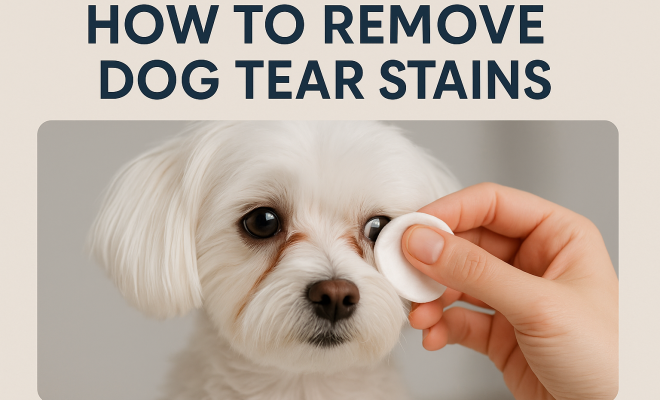
A key step in learning how to remove dog tear stains is establishing a regular eye cleaning routine. Gently cleaning your dog’s eyes can significantly reduce tear buildup. Use a soft, damp cloth or cotton ball with warm water to wipe away any discharge or debris around the eyes. Make this a daily habit to help prevent stains from forming.
For more stubborn stains, consider using specialized pet eye wipes, which are designed to be gentle yet effective. Many of these wipes contain safe cleaning agents that help break down tear stains without causing irritation. Always choose products made specifically for pets, as human products may contain harmful ingredients.
4. Homemade Remedies for Tear Stains
If you prefer a DIY approach, there are several homemade remedies that may help you remove dog tear stains effectively. One popular solution is using a mixture of water and hydrogen peroxide. Mix one part hydrogen peroxide with three parts water and apply it to the stained area using a cotton ball. This can help lighten the stains over time.
Another option is to use a mixture of baking soda and water to create a paste. Apply the paste to the stained area and let it sit for a few minutes before rinsing it off with warm water. Remember to always test any remedy on a small area first to ensure your dog does not have a reaction.
5. Commercial Tear Stain Removers
For those who prefer ready-made solutions, there are numerous commercial tear stain removers available on the market. These products come in various forms, including wipes, gels, and powders. Look for products containing natural ingredients that are safe for dogs, such as chamomile or aloe vera.
When using commercial products, read the label carefully. Some formulas may contain harsh chemicals that can cause irritation or adverse reactions. Always follow the instructions for use and monitor your dog for any signs of discomfort. If your dog shows any sensitivity, discontinue use immediately. (See: Understanding tear stains in dogs.)
6. Diet and Nutrition’s Role
Your dog’s diet can significantly impact their overall health, including eye health. Some experts suggest that certain ingredients may contribute to tear staining. Foods high in fillers or artificial additives can increase tear production in some dogs. Switching to a high-quality, grain-free diet can help reduce tear stains for some pets.
Additionally, ensure your dog is adequately hydrated. Dehydration can cause the body to produce more tears to compensate for dryness. Fresh, clean water should always be available for your pup. Some dog owners have also found success with adding supplements, like omega-3 fatty acids, which can promote healthy skin and fur while potentially reducing excess tearing.
7. Grooming and Coat Care
Maintaining your dog’s coat is another crucial aspect of preventing tear stains. Regular grooming helps keep the fur around the eyes clean and less prone to staining. For long-haired breeds, consider trimming the fur around the eyes to minimize contact with excess moisture and debris.
Bathing your dog regularly can also help remove any build-up before it causes staining. Use a high-quality dog shampoo and be cautious to avoid getting soap in the eyes. After a bath, be sure to dry the area thoroughly to prevent moisture accumulation.
8. Monitoring Allergies and Irritants
Many dogs suffer from allergies that can contribute to tear production. Common culprits include pollen, dust mites, and certain food ingredients. If you suspect allergies might be causing your dog’s tear stains, try to identify and eliminate potential irritants from their environment.
Using air purifiers, regularly cleaning your dog’s bedding, and avoiding known allergens in their diet can help reduce symptoms. In some cases, your vet may recommend allergy testing or treatments to help manage your dog’s discomfort and decrease excessive tearing.
9. When to Seek Professional Help
If you’ve tried various methods to remove dog tear stains but haven’t seen any improvement, it might be time to consult your veterinarian again. Persistent tearing or staining can sometimes indicate more serious underlying conditions that require professional intervention. Your vet may suggest further testing or specialized treatments to address the root cause of the problem.
Additionally, if your dog’s eyes appear red, swollen, or show any signs of discomfort, don’t hesitate to seek help. Early intervention can prevent more severe issues down the road and keep your furry friend happy and healthy.
10. Understanding the Underlying Health Issues
Sometimes, tear stains can signal more severe health problems. Conditions such as conjunctivitis or dry eye can lead to increased tear production, which in turn can cause staining. It’s crucial to have regular check-ups with your veterinarian, especially if you notice any changes in your dog’s behavior or eye appearance.
For instance, if your dog constantly rubs their eyes or seems to be in discomfort, it’s essential to take them to the vet. Persistent watering may also indicate an eye infection or injury, which requires immediate attention. Understanding these underlying health issues not only aids in treating tear stains but also ensures your dog’s overall well-being.
11. Environmental Factors Affecting Tear Stains
Sometimes, the environment can play a significant role in the development of tear stains. Humidity, heat, and exposure to irritants like smoke or strong fragrances can exacerbate tearing in some dogs. If you live in a region with particularly high pollen counts or environmental pollutants, your dog’s tear production may increase as a defensive mechanism.
Creating a clean environment for your dog can make a difference. Regular cleaning of your home, especially areas where your dog spends a lot of time, can minimize allergens and irritants. Keeping your dog’s living space free from dust and allergens can significantly improve their eye health and comfort.
12. Behavioral Considerations
Some dogs may develop behavioral traits that contribute to tear staining. For example, dogs that are particularly anxious or suffer from separation anxiety may exhibit increased tear production. Addressing the underlying behavioral issues can lead to a reduction in tearing. Training, socialization, and positive reinforcement can help modify these behaviors.
Engaging in regular playtime and mental stimulation can help alleviate anxiety and reduce tear production. Activities like puzzle toys, obedience training, or even agility exercises can keep your dog happy and engaged, which may also assist in reducing stress-related tearing.
13. Frequently Asked Questions
What causes tear stains in dogs?
Tear stains can be caused by various factors, including genetics, allergies, infection, and irritation. Excessive tear production from these conditions leads to the staining on the fur.
Are tear stains harmful to my dog?
In general, tear stains themselves are not harmful. However, they can sometimes signal underlying health issues that may need medical attention. Always consult your veterinarian if you are concerned.
Can tear stains be removed permanently?
While it’s possible to reduce or manage tear stains, achieving a permanent solution often depends on addressing the root cause, such as allergies or infection. Regular cleaning and maintenance will also help keep stains at bay.
How can I prevent tear stains from coming back?
Preventive measures include maintaining a regular eye cleaning routine, a high-quality diet, proper hydration, and monitoring for allergens. Grooming and trimming fur around the eyes can also help reduce staining.
Is there a specific diet that can help with tear stains?
Yes, a diet low in fillers and artificial additives may help reduce tear production in some dogs. Consulting with your veterinarian about a balanced, nutritious diet tailored to your dog’s needs can make a significant difference.
Are there any natural remedies for tear stains?
Some natural remedies include apple cider vinegar added to water, or using a mixture of baking soda and water. Always consult with your vet before trying new remedies to ensure they are safe for your dog.
14. Exploring Alternative Treatments
If you’re looking for alternatives to traditional methods, consider exploring holistic or natural treatments. Some dog owners have reported success with herbal remedies aimed at supporting eye health. Ingredients like bilberry and eyebright are believed to reduce inflammation and support healthy tear production. Before introducing any new supplements or treatments, it’s crucial to speak with your veterinarian, as not all natural ingredients are safe for dogs.
15. Success Stories
Many dog owners have faced the challenge of tear stains and found effective solutions that worked for their pets. For instance, a Maltese named Bella experienced chronic staining due to allergies. After a comprehensive evaluation, her owner switched to a hypoallergenic diet and began using specialized tear stain wipes. Within weeks, Bella’s tear stains significantly decreased, leaving her looking bright-eyed and beautiful.
Another success story involves a Shih Tzu named Max, whose tear stains were exacerbated by the shape of his face, which caused moisture to accumulate. His owner implemented a daily cleaning routine and adjusted his grooming to keep the fur around his eyes trimmed. Max’s tear stains became less noticeable, showcasing how routine care can make a substantial difference.
16. Statistics on Tear Stains
According to a survey conducted by pet care professionals, approximately 50% of dog owners report dealing with tear stains at some point in their dog’s life. Among the breeds affected, 70% of owners with toy and small breeds, like Poodles and Maltese, noted that tear staining was a recurring issue. Understanding these statistics highlights the commonality of tear stains and the importance of addressing them early to maintain your dog’s health and appearance.
17. Understanding the Role of Genetics
Genetics can play a significant role in a dog’s propensity for tear stains. Some breeds are more susceptible due to their eye shape or facial structure, which can hinder proper tear drainage. Breeds like Bulldogs and Cavalier King Charles Spaniels often face challenges with tear drainage because of their unique craniofacial anatomy. Knowing your dog’s breed-related risks can help you take preventive measures early on.
Breeders who prioritize eye health in their breeding practices can also contribute to reducing the prevalence of tear stains in future generations. If you’re considering getting a dog, researching reputable breeders who conduct health screenings can help you select a pup less likely to develop tear staining problems.
18. Additional Care Tips
Beyond cleaning and dietary changes, there are several other care tips that can help manage or prevent tear stains. For instance, ensure that your dog’s water bowl is always clean and free of contaminants, as bacteria can thrive in dirty water, contributing to irritation and excessive tearing. Consider using stainless steel or ceramic bowls, as they’re easier to clean and less likely to harbor bacteria compared to plastic bowls.
In addition, be mindful of the products you use around your dog. Strong perfumes, cleaning products, or even scented candles can irritate your dog’s eyes, leading to increased tearing. Opt for pet-safe cleaning supplies and consider using fragrance-free products to reduce potential irritants in your home.
19. Professional Grooming Services
Sometimes, regular grooming at home may not be enough to tackle stubborn tear stains, especially for long-haired breeds. Professional groomers are trained to manage tear stains effectively and can provide specialized services to keep your dog looking pristine. They often have access to products and techniques that you may not, ensuring thorough cleaning and maintenance of your dog’s eye area. Plus, they can offer personalized advice based on your dog’s specific needs.
20. Final Thoughts
Removing dog tear stains can be a challenge, but with the right approach and diligence, you can keep your pup looking and feeling their best. Understanding the causes, exploring various treatment options, and maintaining a regular care routine can make a significant difference. Your dog deserves a clean, healthy appearance, and with a bit of effort, you can achieve just that!
“`
Trending Now
Frequently Asked Questions
What causes tear stains in dogs?
Tear stains in dogs are primarily caused by excessive tear production, known as epiphora. This can result from various factors, including genetics, allergies, infections, blocked tear ducts, or eye abnormalities. The stains are often more visible in breeds with light-colored fur due to the presence of porphyrin, a pigment found in tears.
How can I remove tear stains from my dog?
To remove tear stains, you can use specialized cleaning wipes, gentle dog-safe shampoos, or home remedies like a mixture of water and baking soda. However, it's essential to consult your veterinarian first to ensure there are no underlying health issues causing the excessive tearing.
Are tear stains harmful to dogs?
While tear stains themselves are not harmful, they can indicate underlying health issues such as allergies or infections. Persistent tear staining may lead to skin irritation or infections if not addressed, making it important to consult a veterinarian for proper diagnosis and treatment.
Can tear stains be prevented in dogs?
Preventing tear stains involves regular grooming, keeping the eye area clean, and ensuring your dog has a healthy diet. Additionally, addressing any allergies or irritants in their environment can help minimize excessive tearing. Regular veterinary check-ups are also crucial for overall eye health.
When should I see a vet for my dog's tear stains?
You should consult a veterinarian if your dog's tear stains are persistent, worsening, or accompanied by other symptoms like redness, swelling, or discharge. These could indicate underlying health issues that require medical attention, such as infections or eye conditions.
Agree or disagree? Drop a comment and tell us what you think.