Bleed Your Radiators: A Homeowner’s Guide to Efficient Heating
“`html
When it comes to maintaining an efficient and cozy home, knowing how to bleed a radiator is a vital skill for homeowners and renters alike. Radiators play a crucial role in heating our spaces, but sometimes they can become less effective due to trapped air. In this detailed guide, we’ll explore what it means to bleed a radiator, why it’s important, and the step-by-step process to do it properly.
1. Understanding Radiator Functionality
Before diving into the process of bleeding a radiator, it’s essential to understand how radiators work. Radiators are part of a central heating system that circulates hot water or steam to provide warmth. They work efficiently when the hot water flows freely through them. However, air can inadvertently get trapped in the system, creating pockets that block the flow of hot water, leading to cold spots in your home.
When a radiator has air trapped inside, it can prevent it from heating up completely. You might notice that the top of the radiator remains cold while the bottom is warm. This imbalance not only leads to discomfort but can also put unnecessary strain on your heating system. Thus, knowing how to bleed a radiator is crucial for maintaining optimal heating efficiency.
2. Signs You Need to Bleed Your Radiator
Recognizing the symptoms of a radiator in need of bleeding can save you time and energy. Here are a few telltale signs:
- Cold Spots: As mentioned earlier, if the top of the radiator remains cold while the bottom is hot, it’s likely that air is trapped inside.
- No Heat: In some cases, a radiator may not heat up at all, indicating significant air blockage.
- Hissing or Gurgling Noises: Unusual sounds coming from the radiator can indicate trapped air moving through the system.
- Radiator Leakage: Sometimes, bleeding the radiator can lead to leaks if the valve is worn out or damaged.
If you notice any of these signs, it’s time to consider bleeding your radiator to restore proper function.
3. Benefits of Bleeding Your Radiator
Why should you take the time to bleed your radiator? The benefits go beyond just warmth in your home. Here are some key advantages:
- Improved Efficiency: Bleeding your radiator can lead to more efficient heating, conserving energy and potentially lowering utility bills.
- Extended Lifespan: Keeping your heating system free from trapped air reduces wear and tear, prolonging the life of your radiators.
- Enhanced Comfort: A well-heated space contributes to overall comfort, making your home a more pleasant environment.
- Prevention of Damage: Regular maintenance, including bleeding radiators, can help prevent more significant issues down the line, such as leaks or system failures.
By bleeding your radiator, you ensure that your heating system functions effectively and efficiently, providing comfort during colder months.
4. Essential Tools for Bleeding a Radiator
Before you start the bleeding process, it’s helpful to gather some essential tools. Most of these items are commonly found in households:
- Radiator Key: This specialized tool is designed for opening the bleed valve. If you don’t have one, a flathead screwdriver can sometimes work, but it’s not ideal.
- Container or Cloth: To catch any water that may escape during the bleeding process, have a small container or cloth handy.
- Towel: This will be useful for cleaning up any spills and protecting your hands from hot surfaces.
- Thermometer (Optional): To check the temperature of the radiator before and after bleeding, a thermometer can provide insights into the effectiveness of the procedure.
Having these tools at your disposal will help streamline the process.
5. Step-by-Step Process to Bleed a Radiator
Now that you’re armed with knowledge and tools, let’s get into the nitty-gritty of how to bleed a radiator. Follow these steps carefully for the best results: (See: Understanding radiator functionality.)
- Turn Off Your Heating: Before starting, ensure your heating system is off and allow the radiators to cool down. This prevents scalding and allows you to work safely.
- Locate the Bleed Valve: The bleed valve is typically located at the top of the radiator. It’s a small valve that can usually be identified by a square or slotted hole.
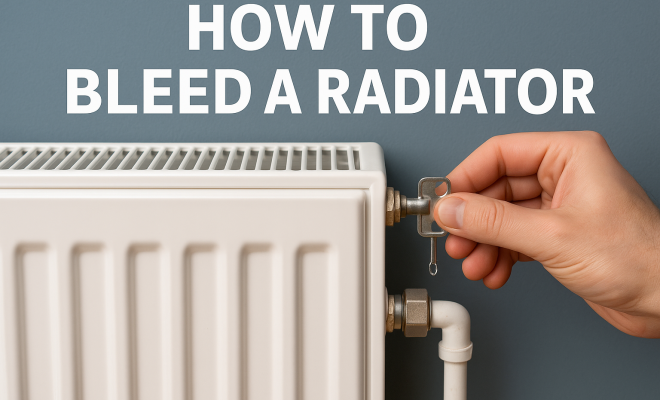
- Insert the Radiator Key: Place the radiator key (or a flathead screwdriver) into the valve. Turn it slowly counterclockwise. You should hear a hissing sound as the air escapes.
- Wait for Water: Continue turning until water begins to trickle out. This indicates that the air has been successfully bled from the radiator. Make sure to hold your container or cloth underneath to catch any water.
- Tighten the Valve: Once water flows steadily, tighten the valve by turning it clockwise. Avoid overtightening, as this can damage the valve.
- Repeat if Necessary: If you have multiple radiators, check each one for trapped air and repeat the process as needed.
- Turn Your Heating Back On: After all radiators have been bled, turn your heating system back on. Monitor the radiators to ensure they heat up evenly.
Bleeding a radiator is a straightforward process that can yield significant benefits for your heating system.
6. Common Mistakes to Avoid
Even a simple process like bleeding a radiator can go awry if you’re not careful. Here are some common pitfalls to watch out for:
- Not Turning Off the Heating: Always turn off your heating system before attempting to bleed your radiator. This prevents hot water from scalding you if it escapes.
- Using Excessive Force: When turning the bleed valve, be gentle. Applying too much force can damage the valve and lead to leaks.
- Neglecting to Check the Pressure: After bleeding your radiators, check the pressure gauge on your heating system. If the pressure is low, you may need to add more water to the system.
- Ignoring Other Radiators: It’s easy to assume that only one radiator needs attention, but if one is malfunctioning, others may too. Check them all.
Staying aware of these mistakes can help you successfully maintain your radiators and avoid costly repairs.
7. When to Call a Professional
While many homeowners can manage the task of bleeding a radiator, there are times when it’s best to call in a professional. If you’re experiencing persistent issues such as:
- Repeated Cold Spots: If your radiator continues to have cold spots even after bleeding, there may be a deeper issue within the heating system.
- Leaks: If you notice water pooling around your radiator, it’s essential to seek professional help to prevent further damage.
- Strange Noises: Unusual noises from your heating system could indicate problems that require expert diagnosis.
- Complex Heating Systems: For homes with more complicated heating arrangements, navigating problems can be tricky without expertise.
In these cases, don’t hesitate to reach out to a licensed heating technician to diagnose and address the issue accurately.
8. Seasonal Maintenance Tips for Radiators
Bleeding your radiator isn’t just a one-time task; it should be part of your regular home maintenance routine. Here are some seasonal tips:
- Fall Check-Up: Before the cold weather sets in, inspect and bleed all radiators to ensure they’re ready for winter.
- Spring Cleaning: After the heating season, consider flushing your radiators to remove any sediment or debris that may have built up.
- Annual Inspection: Schedule a yearly check-up with a heating professional to assess the overall health of your system.
- Keep Radiators Clear: Ensure that furniture or curtains do not obstruct your radiators, which can reduce efficiency.
By incorporating these tips into your routine, you can prolong the life of your radiators and maintain a comfortable living space.
9. The Environmental Impact of Radiator Maintenance
Maintaining your radiators properly not only helps your home but also has positive implications for the environment. Here’s how:
- Energy Conservation: Efficient heating systems use less energy. By bleeding your radiators, you ensure they operate at peak efficiency, which in turn reduces your carbon footprint.
- Reduced Emissions: A well-functioning heating system emits fewer greenhouse gases, contributing to a cleaner environment.
- Waste Prevention: Regular maintenance can prevent minor issues from escalating into significant repairs, which often involve resource-intensive replacement parts.
Being proactive in maintaining your heating system can have far-reaching benefits beyond just your comfort level.
10. Final Thoughts on Radiator Maintenance
Knowing how to bleed a radiator is an indispensable skill for any homeowner. Not only does it enhance the comfort of your living space, but it also extends the life of your heating system and promotes energy efficiency. By familiarizing yourself with the signs of a radiator in need of bleeding, the tools required, and the steps involved, you can easily take charge of your home maintenance. (See: Safety tips for radiator maintenance.)
Don’t forget to check your radiators seasonally and address any signs of trouble promptly. Whether you choose to tackle this task yourself or enlist the help of a professional, understanding radiator maintenance is key to a warm and efficient home.
11. Deeper Analysis: The Mechanics Behind Radiator Air Trapping
To fully grasp the importance of bleeding radiators, it’s helpful to understand the mechanics of how air gets trapped in these systems. Air can enter the heating system during installation, maintenance, or even through small leaks in the pipes. As the system heats up and cools down over time, it creates a cycle where air expands and contracts, sometimes leading to pockets forming inside radiators.
Additionally, older radiators or those made from certain materials may be more prone to corrosion, resulting in tiny particles that can also contribute to air blockage. This is why regular maintenance, including bleeding, is vital to ensure the long-term efficiency and functionality of your heating system.
12. Radiator Types and Their Specific Maintenance Needs
Not all radiators are created equal, and understanding the specific type of radiator in your home can help tailor your maintenance approach. There are several types commonly found in homes:
- Column Radiators: These classic models are efficient but can hold onto air more easily. Regular bleeding is essential to maintain their performance.
- Panel Radiators: Popular in many modern homes, these can also trap air but are typically easier to bleed due to their design.
- Cast Iron Radiators: While they’re known for their durability and aesthetic appeal, they can be cumbersome to bleed. It’s crucial to ensure that the bleed valve is accessible for routine maintenance.
- Electric Radiators: These may not require bleeding in the traditional sense, but it’s still important to check for any signs of thermal inefficiency or malfunction.
Understanding these distinctions can enhance your ability to perform effective maintenance and troubleshoot any issues that arise.
13. Frequently Asked Questions about Radiator Bleeding
How often should I bleed my radiators?
It’s a good practice to check and bleed your radiators at the start of each heating season, usually in the fall. However, if you notice cold spots or hear unusual noises throughout the year, you may want to check more frequently.
Can I bleed my radiators while the heating is on?
No, it’s recommended to turn off the heating system before bleeding your radiators. This not only prevents injury from hot water but also allows the system to cool, making it easier for the air to escape.
What if water does not come out when I bleed the radiator?
If no water comes out after bleeding for a few moments, it could indicate that the radiator is not adequately connected to the system or there may be a more significant issue at play. In this case, it might be wise to consult a professional.
How do I know if I’ve successfully bled the radiator?
You’ll know you’ve bled the radiator successfully when you hear a hissing sound at first, followed by a steady stream of water. If the radiator heats evenly after this process, then you’ve done it right! (See: How to bleed a radiator effectively.)
Are there any risks to bleeding my radiator?
If not done carefully, bleeding a radiator can lead to water leaks or valve damage. Always ensure you have the right tools, follow the procedures closely, and don’t hesitate to call a professional if you’re unsure.
What should I do if my radiator leaks after bleeding?
If your radiator starts leaking after you bleed it, turn off the heating immediately. Check the bleed valve to ensure it’s securely closed. If it continues to leak, you may need to call a professional to assess the situation.
14. Comparing DIY Bleeding vs. Professional Services
Deciding whether to bleed your radiator yourself or hire a professional can depend on several factors:
- Cost: DIY bleeding is free aside from the initial investment in tools, while hiring a professional can cost between $75 to $150 per hour, depending on your location and the technician’s expertise.
- Time: Bleeding a radiator typically takes around 10-15 minutes per radiator. If you have multiple radiators or are busy, a professional might save you time.
- Skill Level: If you’re comfortable with basic home maintenance, bleeding your radiator can be a quick task. However, if you’re unsure, a professional can ensure it’s done correctly and safely.
- Complex Issues: If you suspect a more serious issue within your heating system, it’s best to consult a professional who can diagnose and fix the problem effectively.
Ultimately, the decision will depend on your comfort level with DIY projects, the complexity of your heating system, and your budget.
15. Understanding Radiator Materials and Their Maintenance
The material of your radiator can significantly influence how often and how you should maintain it. Here’s a breakdown of common radiator materials:
- Steel: Steel radiators are lightweight and provide excellent heat output. However, they can be prone to rust if they are not properly maintained. Bleeding them regularly prevents moisture build-up and corrosion.
- Aluminum: Lightweight and quick to heat up, aluminum radiators can also cool down quickly. They’re generally resistant to rust; however, they may develop leaks over time. Regular checks help maintain their efficiency.
- Cast Iron: Known for holding heat longer, cast iron radiators require a bit more TLC due to their weight and potential rusting issues. Maintaining these involves checking for corrosion and ensuring the bleed valve is functional.
- Composite: These newer materials often combine metals for efficiency and durability. They usually require standard maintenance practices but are often less prone to issues compared to traditional metals.
16. How to Handle Persistent Radiator Issues
If you find that bleeding your radiator doesn’t resolve heating issues, it may be time to look deeper into the problem. Here are some advanced troubleshooting steps:
- Check the Thermostat: Ensure that the thermostat controlling the radiator is functioning correctly. A malfunctioning thermostat may prevent hot water from flowing, regardless of bleeding.
- Inspect the Valves: If the valves at the bottom of the radiator are not opening correctly, this can restrict water flow. Make sure they’re fully open and functional.
- Flush the System: Over time, sludge and debris can build up in the radiator or the entire system. Flushing the system can eliminate these blockages and improve overall performance.
- Look for Air Pockets Elsewhere: If multiple radiators are affected, check for air pockets in the pipes leading to the radiators. You may need to bleed the entire system.
17. Conclusion: Keeping Your Home Warm and Efficient
Understanding how to bleed a radiator is not just about immediate comfort; it’s also about maintaining the integrity and efficiency of your entire heating system. With the right knowledge and tools, you can tackle radiator bleeding confidently, ensuring that your home remains warm and inviting even during the chilliest months. Remember, regular maintenance can lead to significant long-term savings and a more enjoyable living environment.
“`
Trending Now
Frequently Asked Questions
How do I know if my radiator needs bleeding?
You can identify if your radiator needs bleeding by checking for cold spots, particularly if the top remains cold while the bottom is warm. Other signs include unusual noises like hissing or gurgling, or if the radiator fails to heat up at all.
What happens if you don't bleed your radiator?
If you don't bleed your radiator, trapped air can cause cold spots, leading to inefficient heating and increased energy bills. It may also put extra strain on your heating system, potentially resulting in costly repairs.
Can bleeding a radiator cause leaks?
Yes, bleeding a radiator can sometimes lead to leaks, especially if the valve is worn out or damaged. It's essential to check the condition of the valve before bleeding to minimize the risk of leaks.
How often should you bleed your radiators?
It's generally recommended to bleed your radiators at least once a year, typically before the heating season begins. However, if you notice any signs of trapped air, you should bleed them immediately.
What tools do I need to bleed a radiator?
To bleed a radiator, you'll need a radiator key or a flathead screwdriver, depending on the type of bleed valve. Additionally, having a cloth or small container on hand to catch any water that may escape is advisable.
What did we miss? Let us know in the comments and join the conversation.