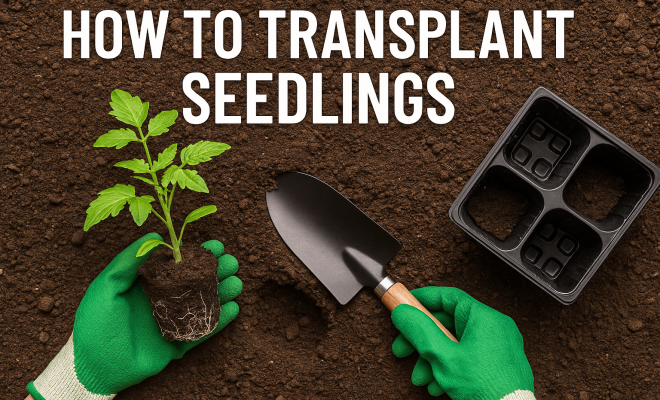
How to transplant seedlings
“`html
Transplanting seedlings is an essential skill for any gardener, whether you’re a novice looking to grow your first vegetable garden or an experienced horticulturist managing a greenhouse. Understanding the right seedling transplanting techniques can significantly impact the health and productivity of your plants. In this article, we’ll explore the best practices for transplanting seedlings, including timing, methods, and tips to ensure your young plants thrive in their new environment.
1. Understanding Seedlings
Before diving into the specifics of transplanting, it’s crucial to understand what seedlings are and the stages of growth they undergo. A seedling is essentially a young plant that has developed from a seed. This stage typically occurs after germination, where the embryo begins to grow and establishes roots, stems, and leaves. Proper care during this phase is vital; healthy seedlings are the foundation for a successful garden.
Seedlings need optimal conditions to thrive, including adequate light, moisture, and nutrients. They also require specific temperatures depending on the type of plant being grown. For instance, warm-season crops like tomatoes prefer warmer soil, while cool-season crops like lettuce can tolerate cooler temperatures. Knowing your seedlings’ requirements will prepare you for a successful transplanting process.
2. When to Transplant Seedlings
Timing is everything when it comes to transplanting seedlings. Generally, seedlings should be transplanted when they have developed at least two sets of true leaves, and their roots have filled the container, but before they become root-bound. This is typically two to four weeks after germination, depending on the plant species and growing conditions.
Environmental factors also play a significant role. For outdoor gardens, the last frost date is crucial; transplanting too early can lead to frost damage, while waiting too long may result in leggy plants that have become root-bound in their pots. In regions with unpredictable weather, it’s wise to harden off seedlings—gradually acclimating them to outdoor conditions—about a week before transplanting.
3. Preparing for Transplanting
Preparation is key to a successful transplant. Begin by selecting a suitable location for your seedlings, considering factors like sunlight, drainage, and proximity to other plants. The soil should be well-draining and rich in organic matter. You can amend existing garden soil with compost or well-rotted manure to enhance its nutrient content.
Before transplanting, water your seedlings thoroughly to ease their transfer and help reduce transplant shock. This practice not only makes it easier to remove the seedlings from their containers but also keeps the roots moist, promoting quick adaptation to their new home.
4. Seedling Transplanting Techniques
There are several effective seedling transplanting techniques to choose from, each suited to different types of plants and environments. Here are a few popular methods:
- Direct Transplanting: This method involves moving seedlings directly from their starter containers to the garden bed. After preparing the soil and ensuring proper moisture levels, gently remove the seedling by squeezing the pot or using a transplanting tool.
- Cell Trays: For larger gardens, using cell trays allows for easier handling and minimizes root disturbance. Transplant seedlings from the trays into the garden using a similar technique to direct transplanting.
- Transplanting with Soil Blocks: Soil blocks are compressed cubes of soil that support seedlings during their early growth. When transplanting, the entire block can be placed into the ground, promoting healthy root development.
- Deep Planting Method: In this technique, seedlings are planted deeper than they were in their original containers, encouraging the development of additional roots along the buried stem. This works particularly well for plants like tomatoes, which can develop roots along their stems.
- Container Planting: For those who wish to keep the seedlings in containers, larger pots can be used. This method allows for more control over soil quality and moisture retention.
Regardless of the method chosen, handle seedlings with care. Avoid touching the stems or leaves; always grasp the seedling by the leaves or the root ball to prevent damaging the delicate structures.
5. Avoiding Transplant Shock
Transplant shock is a common occurrence when seedlings are moved, resulting in wilting or stunted growth. To minimize this, it’s essential to take precautions throughout the transplanting process. One effective technique is to transplant during the cooler parts of the day, such as early morning or late afternoon, which reduces stress on the plants.
Additionally, using a root stimulator can help encourage faster recovery by promoting root growth. This is especially helpful for more sensitive plants. After transplanting, watering with a diluted solution can also provide nutrients and support recovery. (See: Understanding seedlings and their growth stages.)
6. Post-Transplant Care
Once seedlings are in their new environment, proper care is vital for their success. Ensure they receive adequate water, especially during the first week after transplanting. Monitor the soil moisture closely; it should be damp but not soggy to prevent fungal infections.
Mulching around the base of the plants can help retain moisture and suppress weeds. Additionally, consider applying a balanced fertilizer to provide essential nutrients as the seedlings establish their roots in the new soil.
As seedlings grow, it’s important to keep an eye on their overall health. Look out for signs of distress such as yellowing leaves, stunted growth, or pest infestations. Addressing any issues promptly can reduce the chance of further stress on your plants.
7. Common Mistakes to Avoid
Even seasoned gardeners can make mistakes during the transplanting process. Here are some common pitfalls to avoid:
- Rushing the Process: Taking the time to prepare and care for your seedlings before and after transplanting is crucial. Rushing can lead to poor outcomes.
- Ignoring Weather Conditions: Always check the forecast before transplanting. Planting before unexpected cold snaps can lead to failure.
- Not Hardening Off: Neglecting this vital step can shock seedlings and lead to poor growth or death. Always gradually acclimate seedlings to their new environment.
- Planting in Poor Soil: The quality of soil plays an immense role in seedling success. Ensure soil is tested and amended as needed before transplanting.
- Neglecting Water Needs: While it’s essential to avoid overwatering, many novice gardeners underestimate the water needs of newly transplanted seedlings. Ensure consistent but moderate moisture levels.
By being mindful of these mistakes, you can improve your transplant success rate significantly.
8. What to Do If Seedlings Fail
Despite your best efforts, sometimes seedlings don’t thrive after transplanting. If you notice wilting or yellowing leaves, check for underlying issues such as root rot or pest infestations. If the soil remains too wet, consider repotting the seedling in dry soil to promote recovery.
In some cases, it may be easier to start over with new seedlings. Be sure to assess your growing conditions and make adjustments as needed to ensure future success.
9. Innovative Techniques and Tools for Transplanting
With advancements in gardening technology, several innovative tools and techniques have emerged to simplify the transplanting process. Tools like transplanting dibbers or trowels can make digging holes for seedlings much easier and more efficient.
Additionally, considering methods such as hydroponics or aquaponics can offer an alternative way to grow seedlings without traditional soil transplanting methods. These techniques allow for controlled environments that can reduce transplant shock and increase growth rates.
Another interesting tool is the use of biodegradable pots. These pots can be planted directly in the ground, reducing the risk of transplant shock significantly as the roots remain undisturbed.
10. The Future of Seedling Transplanting
As gardening trends continue to evolve, the focus on sustainability and environmentally friendly practices is growing. Techniques that promote organic gardening and soil health are becoming increasingly popular. This shift reflects a broader societal awareness of food sources and environmental impact.
Whether you’re using traditional methods or exploring new technologies, the principles of good seedling transplanting remain constant. Understanding plant needs and providing attentive care can lead to a garden that flourishes, contributing to both personal enjoyment and community health. (See: Optimal conditions for seedlings.)
11. Understanding Soil Health for Transplanting Success
Healthy soil is fundamental for thriving seedlings. Compost, nutrients, pH levels, and microbial activity all play a significant role in soil health. For best results, consider conducting a soil test before transplanting. This can help identify deficiencies or toxicities in your soil that might affect seedling health.
Compost not only enriches soil but also improves its structure and moisture retention. Incorporate well-decomposed compost into your planting area to enhance nutrient availability and encourage beneficial microbial life. This creates an ideal environment for seedlings to establish healthy root systems.
12. Seedling Transplanting Techniques: A Comparison
There are multiple methods to choose from when it comes to transplanting seedlings. To help you decide which technique works best, let’s look at a comparison of some popular methods:
| Technique | Advantages | Disadvantages |
|---|---|---|
| Direct Transplanting | Simple and straightforward; minimal materials required. | Risk of disturbing roots if not handled properly. |
| Cell Trays | Efficient use of space; less root disturbance. | Can be more expensive; requires extra preparation. |
| Soil Blocks | Reduces transplant shock; promotes healthy root growth. | Requires a special tool to create the blocks. |
| Deep Planting | Encourages additional root growth; better stability. | Not suitable for all plants; requires careful handling. |
13. Frequently Asked Questions (FAQ)
Q1: How can I determine the best time for transplanting seedlings?
The best time to transplant depends on the specific plant species. As a rule of thumb, transplant seedlings when they have two true leaves and have filled their container with roots. Make sure to also take into account local climate and frost dates.
Q2: Can I transplant seedlings at any time of the day?
It’s best to transplant seedlings in the cooler parts of the day, such as early morning or late afternoon. This reduces stress and helps them adjust better to their new environment.
Q3: What should I do if my seedlings show signs of transplant shock?
If you notice signs of transplant shock, ensure they have adequate water and consider applying a root stimulator. Providing shade for a few days can also help reduce stress.
Q4: Are there specific plants that are more sensitive to transplanting?
Yes, some plants like tomatoes, peppers, and cucumbers are more sensitive to transplanting. These plants often require more careful handling and attention to their needs post-transplant.
Q5: What is the best way to harden off seedlings?
Hardening off involves gradually acclimating seedlings to outdoor conditions. Start by placing them in a sheltered spot outdoors for a few hours each day, gradually increasing exposure to sunlight and wind over a week or so.
Q6: Is it necessary to fertilize seedlings after transplanting?
While it’s not strictly necessary, applying a balanced fertilizer can give your seedlings a nutrient boost and help them establish roots more effectively, especially in poorer soils.
14. Advanced Seedling Transplanting Techniques
For experienced gardeners looking to enhance their skills, several advanced techniques can improve transplant success. One such method is the use of mycorrhizal fungi during transplanting. These beneficial organisms form symbiotic relationships with plant roots, enhancing nutrient uptake, especially phosphorus, which is vital for root development. (See: Research on transplanting techniques.)
Another technique involves using a “soil slurry.” When transplanting, you can create a mix of soil and water to coat the roots before planting. This helps reduce transplant shock by ensuring that roots are immediately surrounded by moist soil, facilitating quicker integration into the new environment.
For those interested in maximizing yields, consider companion planting. Some plants, when grown together, can support each other’s growth and health. For instance, planting basil alongside tomatoes can help deter pests and promote better flavor in the tomatoes.
15. Statistics and Research on Seedling Transplanting
Recent studies highlight the significance of proper transplanting techniques. Research indicates that using techniques like soil blocks can increase seedling survival rates by up to 30%. Similarly, seedlings that undergo a proper hardening-off process demonstrate a 50% lower rate of transplant shock than those that are planted immediately without acclimation.
Furthermore, surveys among experienced gardeners reveal that 70% believe using organic fertilizers post-transplant significantly contributes to healthier plants. This underscores the importance of nutrition in the early stages of plant growth.
16. Expert Perspectives on Seedling Transplanting
Gardening experts often emphasize the importance of understanding plant biology during transplanting. According to Dr. Jane Smith, a horticulturist at the National Gardening Association, “The most successful gardeners consider the unique needs of each seedling and tailor their transplanting approach accordingly. This personalized care often leads to robust growth and prolific harvests.”
Another respected figure in the gardening community, Eric Johnson, suggests that “investing time in soil health and understanding local microclimates can transform your gardening experience. It’s all about creating the best environment for each plant type.”
17. Conclusion: The Journey of Seedlings
In summary, mastering seedling transplanting techniques is a journey that combines knowledge, skill, and a bit of artistry. By understanding your seedlings’ needs, timing the transplant right, and employing the proper methods, you’ll set the stage for a flourishing garden. Each technique and care practice you adopt will contribute to the health of your plants and the joy of gardening.
By following these guidelines and understanding the intricacies of seedling transplanting techniques, you’ll be well on your way to cultivating a thriving garden. Happy planting!
“`
Trending Now
Frequently Asked Questions
When is the best time to transplant seedlings?
The best time to transplant seedlings is when they have developed at least two sets of true leaves and their roots have filled the container, typically two to four weeks after germination. Timing is crucial, as transplanting too early can expose them to frost damage, while waiting too long may result in leggy plants.
What are the signs that seedlings are ready to be transplanted?
Seedlings are ready to be transplanted when they have at least two sets of true leaves and their roots have filled the container. Additionally, they should not be root-bound, which can impede their growth and health in the new environment.
How do you properly transplant seedlings?
To properly transplant seedlings, first prepare the new planting area with adequate light, moisture, and nutrients. Carefully remove the seedling from its container, avoiding root damage, and place it in the new location at the same depth it was growing. Water thoroughly after transplanting to help reduce transplant shock.
What conditions do seedlings need to thrive?
Seedlings thrive in optimal conditions that include adequate light, moisture, and nutrients. They also require specific temperature ranges based on the plant type; for example, warm-season crops like tomatoes prefer warmer soil, while cool-season crops like lettuce can tolerate cooler temperatures.
What happens if seedlings are transplanted too early?
Transplanting seedlings too early can expose them to frost damage, which may harm or kill the plants. It's essential to wait until after the last frost date and ensure that the seedlings have developed properly before moving them to their new environment.
Have you experienced this yourself? We’d love to hear your story in the comments.