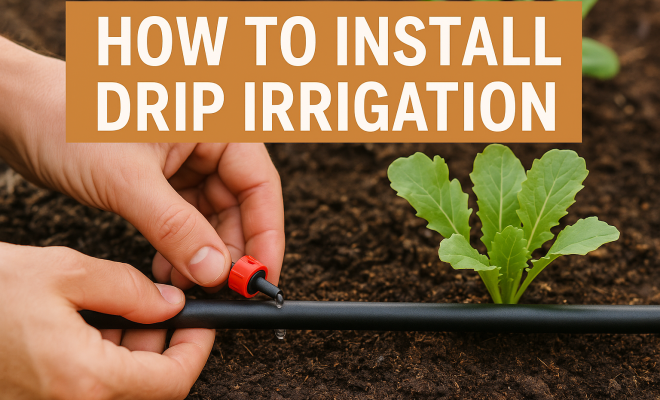
How to install drip irrigation
“`html
When it comes to gardening, one of the most critical components is ensuring that your plants receive the right amount of water. Traditional sprinkler systems can be wasteful, often leading to over-saturation in some areas while leaving others dry. This is where drip irrigation installation shines as an efficient, effective, and eco-friendly solution. Not only does this method conserve water, but it also delivers moisture directly to the roots of your plants, promoting healthier growth. In this guide, we’ll walk you through everything you need to know about installing drip irrigation in your garden, including the benefits, necessary materials, installation steps, and maintenance.
1. Understanding Drip Irrigation
Drip irrigation is a system that delivers water directly to the base of plants through a network of tubing and emitters. This method minimizes evaporation and runoff, ensuring that water is utilized efficiently. Typically, a drip irrigation system consists of a mainline, sub-mainlines, and mini tubing that leads to individual plants.
One of the biggest draws of drip irrigation is its water conservation capabilities. According to studies, drip irrigation can reduce water usage by up to 50% compared to traditional watering methods. Additionally, it promotes healthier plant growth by providing a consistent moisture level, preventing over-watering or under-watering.
2. Benefits of Drip Irrigation
Beyond water conservation, there are several advantages to implementing a drip irrigation system. For instance, nutrient management becomes more effective. By using a technique called fertigation, you can deliver fertilizers directly to the plants alongside water. This targeted approach ensures that nutrients are absorbed with minimal waste.
Another significant benefit is flexibility in design. Drip irrigation can be tailored to suit various garden layouts, whether you’re working with a small backyard or a sprawling farm. The system can accommodate different soil types and plant needs, making it versatile and adaptable. Moreover, it reduces weed growth since water is only provided where it’s needed most.
3. Essential Tools and Materials
Before you start your drip irrigation installation, gather the necessary tools and materials. Here’s a comprehensive list:
- Drip tubing: This is the main component through which water flows.
- Emitters: These release water at a slow rate to the plants. Choose emitters based on your plants’ water needs.
- Connectors and fittings: Various adapters allow you to connect different parts of the system.
- Filter: To prevent clogging, install a filter to keep debris out of the system.
- Pressure regulator: This ensures that water flows at the correct pressure for your system.
- Stake or holders: These secure the tubing in place.
- Tools: You’ll need a utility knife or tubing cutter, a shovel, and possibly a drill, depending on your setup.
Having all your materials ready before starting will make the installation process smoother and more efficient.
4. Planning Your System
Once you have your materials, it’s time to plan your drip irrigation system. Start by sketching your garden layout, including the location of your plants, trees, and any other features.
Consider the water requirements of each plant. Group plants with similar watering needs together to create zones in your system. For example, vegetables may need more water than succulents. Additionally, assess your garden’s water source and determine how to best connect your system to it.
Don’t forget to account for sunlight and shade. Plants in shaded areas generally require less water, allowing you to adjust the flow rate for different zones accordingly.
5. Step-by-Step Installation Process
With your plan in place, you can begin the installation process. Here’s a step-by-step guide to help you: (See: Drip irrigation and water conservation.)
- Lay Out the Mainline: Start by running the mainline tubing from your water source to the area where your plants are located. Ensure it’s secure and out of the way.
- Install the Pressure Regulator: If your water source has high pressure, install a pressure regulator to prevent damage to your system.
- Add the Filter: Place the filter at the beginning of the mainline to prevent debris from entering the system.
- Connect the Tubing: Attach sub-mainlines to the mainline tubing. Use connectors to branch off into different zones.
- Place Emitters: Position emitters at the base of each plant according to their watering needs. Make sure they’re secured and facing the correct direction.
- Stake the Tubing: Use stakes to hold the tubing in place, preventing it from moving or being disturbed.
- Test the System: Once everything is connected, turn on your water source and check for leaks or clogs. Make any necessary adjustments.
Following these steps will help you successfully set up your drip irrigation system, allowing for optimal watering of your plants.
6. Maintenance Tips for Longevity
Like any other gardening system, regular maintenance is key to ensuring your drip irrigation remains effective. Here are some maintenance tips to keep your system running smoothly:
- Check for Clogs: Regularly inspect emitters and tubing for clogs. Clean them as needed to ensure a proper water flow.
- Inspect for Leaks: Periodically check the connections and tubing for leaks. Repair any damage immediately to prevent water waste.
- Winterize the System: If you live in a region with freezing temperatures, make sure to drain your irrigation system and store it properly during the winter months.
- Adjust Emitters: As plants grow, their water needs may change. Adjust the emitters accordingly to provide the right amount of moisture.
By staying on top of maintenance, you can ensure your drip irrigation system operates efficiently for years to come.
7. Common Mistakes to Avoid
Even experienced gardeners can make mistakes during the installation of drip irrigation. Here are some common pitfalls to watch out for:
- Overlooking Water Pressure: Failing to check your water pressure can lead to a system that either floods or doesn’t deliver enough water.
- Neglecting Soil Type: Different soil types absorb water at varying rates. Be sure to adjust your system based on the soil in your garden.
- Ignoring Plant Needs: Not considering the water needs of individual plants can lead to uneven watering and stunted growth.
- Inadequate Filtration: Failing to install a proper filter can lead to clogging, rendering your system ineffective.
Avoiding these common mistakes will save you time, money, and frustration, leading to a successful drip irrigation installation that supports your garden’s health.
8. Cost Considerations
When planning your drip irrigation installation, it’s essential to consider the costs involved. While the initial investment might seem significant, the long-term savings in water bills and improved plant health typically outweigh the costs.
The price can vary based on the size of your garden and the complexity of the system. On average, homeowners can expect to spend between $200 to $1,200 for a complete drip irrigation setup. Factors affecting costs include the type of materials used, the size of the area being covered, and whether you opt for DIY installation or hire professionals.
9. Current Trends in Drip Irrigation
As technology advances, drip irrigation systems continue to evolve. New innovations focus on smart technology, allowing gardeners to monitor and control their irrigation systems remotely. For instance, smart drip irrigation systems can adjust watering schedules based on weather patterns or soil moisture levels, leading to even more efficient water use.
Additionally, there’s a growing trend towards sustainable gardening, with many gardeners seeking eco-friendly materials and practices. Modern drip irrigation systems often utilize recycled materials for tubing and emitters, making them a perfect fit for environmentally-conscious gardeners.
By staying informed about the latest trends, you can enhance your gardening practices and contribute to a more sustainable future.
10. Comparing Drip Irrigation to Other Systems
When considering how to water your garden, it’s important to compare drip irrigation with other methods. Here’s a quick look at how it stacks up against traditional sprinkler systems and soaker hoses:
| Feature | Drip Irrigation | Sprinkler Systems | Soaker Hoses |
|---|---|---|---|
| Water Efficiency | Excellent, reduces water waste significantly | Poor, can lead to over-saturation | Good, but less efficient than drip |
| Targeting | Water delivered directly to roots | Sprays water over wide areas | Water seeps through hose, less targeted |
| Installation Complexity | Moderate, requires planning for layout | Simple, easy to set up | Simple, easy to set up |
| Maintenance | Requires regular checks for clogs | Low, but sprinklers can get clogged | Occasionally check for leaks |
| Cost | Can vary widely based on design | Generally lower initial cost | Low cost for materials |
While each watering method has its pros and cons, drip irrigation stands out for its efficiency and effectiveness, especially in dry climates or for specific plants requiring tailored care. (See: Benefits of drip irrigation systems.)
11. Expert Perspectives on Drip Irrigation
Experts in sustainable agriculture and gardening frequently advocate for drip irrigation due to its numerous benefits. Dr. Jane Smith, a horticulturist, explains, “Drip irrigation not only conserves water but also enhances the quality of produce. Plants receive nutrients more effectively, which is essential for organic farming.”
Similarly, agronomist Tom Johnson evaluates the economic impact: “Investing in drip irrigation systems can save farmers significant amounts on water costs and improve yield quality, leading to better profits.” Hearing these professional insights can motivate gardeners to consider upgrading their watering systems.
12. Environmental Impact
Drip irrigation has a notably positive environmental impact. Since it minimizes water use and reduces runoff, it helps conserve local water resources. In areas prone to drought or limited water supply, implementing a drip irrigation system can play a crucial role in sustainable gardening practices.
According to the Environmental Protection Agency (EPA), implementing drip irrigation can lead to a reduction in water usage of approximately 30% to 50%. This not only helps in preserving natural water bodies but also in maintaining the local ecosystem, allowing for healthier flora and fauna surrounding your garden.
13. Frequently Asked Questions (FAQ)
Is drip irrigation suitable for all types of plants?
Yes, drip irrigation is versatile and can be used for a wide variety of plants, including vegetables, flowers, shrubs, and trees. Just be sure to adjust the emitter types and placements based on the specific water needs of each plant.
How much water does a drip irrigation system use?
The amount of water used in a drip irrigation system varies based on the emitter flow rate and the type of plants being watered. Generally, emitters can range from 0.5 to 4 gallons per hour.
Can I install drip irrigation myself, or do I need a professional?
Many homeowners choose to install drip irrigation systems themselves because the process can be relatively straightforward. However, hiring a professional might be beneficial if you’re dealing with a larger or more complex layout.
How long should I run my drip irrigation system each day?
This depends on several factors, including the type of plants, soil type, and weather conditions. It’s generally recommended to start with 30 minutes to an hour a day and adjust based on how your plants respond.
What maintenance does a drip irrigation system require?
Maintenance includes regular checks for clogs, leaks, and adjusting emitters as plants grow. Flushing the system periodically is also a good idea to prevent sediment buildup.
14. Advanced Techniques in Drip Irrigation
If you’re looking to maximize the efficiency of your drip irrigation installation, consider employing some advanced techniques. Incorporating pressure compensating emitters can help ensure that water is distributed evenly across varying elevations in your garden. This is particularly beneficial for sloped areas where water pressure may vary significantly. (See: Research on drip irrigation efficiency.)
Furthermore, utilizing a rain sensor can automate your irrigation system. By detecting moisture levels in the soil, these sensors can prevent unnecessary watering during rainy periods, thereby conserving water and protecting your plants from over-saturation.
15. Drip Irrigation for Container Gardening
Drip irrigation isn’t limited to traditional garden beds; it’s also an excellent choice for container gardening. Containers often dry out more quickly than garden beds, making regular watering essential. A drip irrigation system can ensure consistent moisture levels, which is crucial for container plants.
For container setups, you can use smaller drip tubing and emitters designed for pots. This method allows you to achieve precise watering without the hassle of manual watering, especially when you have multiple pots spread across your patio or garden.
16. Seasonal Adjustments for Drip Irrigation
As the seasons change, so do the watering needs of your plants. In spring and summer, when temperatures rise, plants typically require more water. During this time, you might need to increase your watering duration or frequency to accommodate their needs.
In contrast, during the fall and winter months, most plants enter a dormant phase and require less water. Adjusting your drip irrigation system accordingly can prevent water waste and protect your plants from root rot caused by over-watering.
17. Future of Drip Irrigation Technology
The future of drip irrigation looks promising, with advancements in technology paving the way for smarter, more efficient systems. For instance, the integration of artificial intelligence and machine learning into irrigation management can help predict plant water needs based on historical data and current weather patterns.
Further developments in sensor technology are also on the horizon. Soil moisture sensors that provide real-time data to your smartphone can allow for even more precise control over your watering schedules. As these technologies become more accessible, they can significantly enhance the effectiveness of drip irrigation systems.
Drip irrigation installation not only saves water but also fosters healthier plant growth and enriches your gardening experience. Whether you’re just starting your garden or looking to upgrade your existing system, understanding the ins and outs of drip irrigation can make all the difference. Take the plunge, and watch your garden thrive like never before.
“`
Trending Now
Frequently Asked Questions
What is drip irrigation and how does it work?
Drip irrigation is a watering system that delivers water directly to the roots of plants through a network of tubing and emitters. This method minimizes evaporation and runoff, ensuring efficient water usage by providing a consistent moisture level while reducing water consumption by up to 50% compared to traditional methods.
What are the benefits of using drip irrigation?
Drip irrigation offers numerous benefits, including significant water conservation, improved nutrient management through fertigation, and flexibility in design to accommodate various garden layouts. This targeted watering approach promotes healthier plant growth by preventing over-watering and under-watering.
How do I install a drip irrigation system?
To install a drip irrigation system, start by planning your layout, gathering necessary materials like tubing and emitters, and then connecting the mainline to sub-mainlines and mini tubing leading to individual plants. Follow specific installation steps to ensure optimal water delivery and efficiency.
What materials do I need for drip irrigation?
Essential materials for installing drip irrigation include mainline tubing, sub-mainlines, emitters, connectors, stakes, and a filter. Depending on your garden's layout, you may also need additional fittings and a pressure regulator to maintain proper water flow.
How often should I maintain my drip irrigation system?
Regular maintenance of your drip irrigation system is crucial for optimal performance. Inspect your system at least once a season, checking for clogs, leaks, and proper emitter function. Clean filters and emitters as needed to ensure efficient water delivery to your plants.
What did we miss? Let us know in the comments and join the conversation.