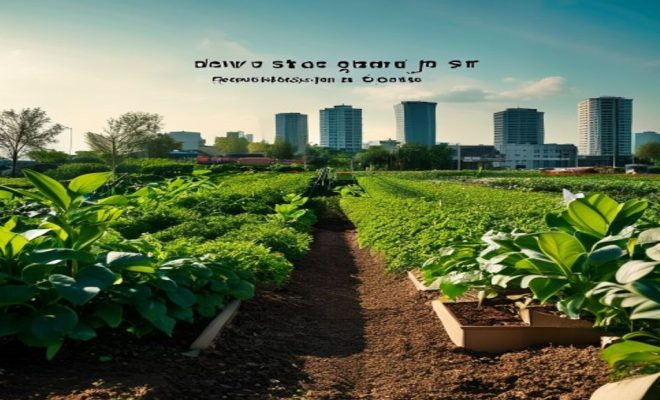
How to start garden from scratch
“`html
Starting a garden from scratch can be an exhilarating and rewarding venture. Whether you aim to grow vegetables, herbs, or flowers, designing your own garden provides not only fresh produce or beautiful blooms but also a deep sense of accomplishment. This guide will walk you through the essential steps to help you create a flourishing garden, even if you’re a complete novice.
1. Assess Your Space
The first step in your journey to start a garden from scratch is evaluating the space you have available. This means identifying where you can plant, whether it be in your backyard, on a balcony, or even indoors. Consider the following:
- Sunlight: Most plants require at least 6-8 hours of direct sunlight daily. Observe how sunlight hits your potential garden space throughout the day.
- Soil Type: Different plants thrive in different soil types. Conduct a soil test to determine the pH and nutrient levels of your soil. You can purchase a soil test kit or send a sample to a local extension service for analysis.
- Water Access: Ensure that you have a reliable water source nearby. Gardening requires regular watering, especially in the early stages.
By understanding your space, you can make informed decisions on what to plant based on the conditions available to you.
2. Choose Your Plants Wisely
Once you’ve assessed your space, it’s time to think about what you want to grow. Different plants have varied needs and growing habits. Here are a few tips to help you choose:
- Consider Your Climate: Check your USDA Plant Hardiness Zone to find out what plants grow best in your area. This is crucial for ensuring that your plants will thrive.
- Start Small: Beginners often get excited and want to plant as much as possible. However, starting small allows you to learn about gardening without overwhelming yourself.
- Mix Annuals and Perennials: Annuals (like tomatoes and peppers) complete their life cycle in a single growing season, while perennials (like lavender and peonies) come back year after year. Mixing both can give you immediate gratification and long-term beauty.
Choosing the right plants can make or break your gardening experience, so take your time in selecting varieties that suit your space and interests.
3. Prepare Your Soil
Healthy soil is the foundation of any successful garden. After selecting your plants, it’s crucial to prepare your soil properly. Here’s how:
- Remove Weeds and Debris: Start by clearing your designated garden area of any weeds, rocks, or old plant material. This prevents competition for nutrients and reduces pests.
- Till the Soil: Loosening the soil will help improve aeration and drainage. A simple garden fork or tiller will suffice for small areas. If your soil is compacted, you may need to dig deeper.
- Add Organic Matter: Incorporate compost or well-rotted manure into your soil. Organic matter improves soil structure, provides nutrients, and enhances water retention.
Preparing your soil sets the stage for your plants to grow strong and healthy, so don’t rush this step.
4. Design Your Garden Layout
A thoughtful design can maximize your garden’s potential. Consider the following elements when planning your layout: (See: USDA Natural Resources Conservation Service.)
- Plant Heights: Taller plants like sunflowers or tomatoes should be placed at the back or center of your garden bed, while shorter plants like basil or strawberries should be at the front. This ensures that all plants receive adequate sunlight.
- Spacing: Be mindful of how much space each plant will need as it grows. Overcrowding can lead to poor air circulation and increased disease risk.
- Companion Planting: Some plants benefit from being planted near each other. For example, marigolds can repel pests when planted alongside vegetables.
Having a clear layout plan will help you visualize your garden and make planting easier.
5. Planting Your Seeds or Seedlings
Now comes the fun part — planting! Depending on whether you’re using seeds or seedlings, the process will vary:
- Seeds: If starting from seeds, refer to the seed packet for specific planting instructions, including depth and spacing. Generally, smaller seeds are planted shallower, while larger seeds require more depth.
- Seedlings: If you purchase seedlings from a nursery, make sure to harden them off before planting. Gradually acclimate them to outdoor conditions by placing them outside for a few hours each day, increasing the time over a week.
- Timing: Pay attention to the planting dates for your zone. Some plants are best started in early spring, while others might do better if planted in late summer for a fall harvest.
Whether you start from seed or seedling, proper planting techniques can dramatically influence your garden’s success.
6. Watering and Maintenance
Once your plants are in the ground, regular maintenance is crucial. Here’s how to nurture your garden:
- Watering: Newly planted seeds and seedlings require consistent moisture. Water deeply but infrequently to encourage deep root growth. Consider using soaker hoses or drip irrigation for more efficient watering.
- Mulching: Applying mulch around your plants can help retain moisture, suppress weeds, and regulate soil temperature. Organic options like straw or wood chips are excellent choices.
- Pest Control: Keep an eye out for pests and diseases. You can use organic methods like neem oil or insecticidal soap to combat infestations without harming beneficial insects.
Regular attention to watering and maintenance will ensure your plants thrive and produce bountiful yields.
7. Harvesting and Enjoying Your Garden
The most rewarding part of starting a garden from scratch is the harvest. Here’s how to maximize your enjoyment:
- Know When to Harvest: Different plants have specific signs that indicate they’re ready for harvest. For example, tomatoes should be fully colored and slightly soft, while leafy greens should be picked when they’re young and tender.
- Harvest Regularly: Regular harvesting encourages more growth in many plants. For example, picking herbs frequently will promote bushier growth.
- Share Your Bounty: Gardening can yield more than you can consume. Share your surplus with friends, family, or local food banks. This not only spreads joy but also reduces food waste.
Enjoying your garden’s bounty is not just about the produce you reap; it’s also about the satisfaction of seeing the fruits of your labor come to life.
8. Dealing with Common Gardening Challenges
Every gardener faces challenges along the way. Here’s how to tackle some of the most common issues:
- Pest Problems: It’s essential to identify pests early. Regularly inspect your plants for signs of damage. You can introduce beneficial insects like ladybugs to control aphid populations, or use physical barriers like row covers to protect your crops.
- Disease Management: Fungal diseases are common in humid conditions. Ensure proper air circulation by spacing plants appropriately and avoiding wetting the foliage when watering. Organic fungicides can also help manage outbreaks.
- Weeds: Weeds compete for resources. Develop a routine for weeding, either by hand-pulling or using mulch to suppress their growth. A layer of newspaper or cardboard beneath your mulch can further prevent weeds from sprouting.
Addressing these challenges head-on will keep your garden healthy and productive. (See: Purdue University Extension.)
9. When to Start Your Garden
Timing is crucial when planning to start a garden from scratch. Here are some guidelines to help:
- Spring Planting: Most vegetables and flowers are planted in spring after the last frost. Use a frost date chart specific to your area for optimal timing.
- Fall Gardening: Some crops, like kale and spinach, can be planted in late summer for a fall harvest. A fall garden can be particularly rewarding as cooler temperatures often enhance the flavor of many vegetables.
- Indoor Start: If your climate has a short growing season, consider starting seeds indoors. This allows for a jumpstart on your garden. Use grow lights or sunny windowsills to help seedlings thrive.
Making sure you plant at the right time can lead to a much more successful gardening experience.
10. Gardening Success Stories
Many novice gardeners have transformed their spaces beautifully. Here are a few inspiring stories:
- The Container Gardener: A woman in an urban setting began gardening in repurposed containers. By utilizing vertical gardening techniques, she managed to grow tomatoes, herbs, and even flowers on her small balcony. Her story is a testament to creativity and adaptability.
- Community Gardening: A group of neighbors decided to transform a vacant lot into a community garden. Not only did they grow vegetables, but they also built friendships and fostered a sense of community. Their success highlighted the importance of collaboration in gardening.
- Family Gardening: One family turned their weekend gardening into a fun family activity. They grew their own vegetables, teaching their children about healthy eating and responsibility. Their garden became a source of pride and learning for the entire family.
These stories remind us that gardening is not just about growing plants; it’s about building connections and celebrating achievements.
11. Expert Tips for New Gardeners
Learning from experienced gardeners can be invaluable. Here are some expert tips to enhance your gardening skills:
- Join a Gardening Club: Local gardening clubs often share resources, host workshops, and provide a community of like-minded individuals. This support can be crucial for beginners.
- Keep a Garden Journal: Document your planting dates, what works and what doesn’t, and your thoughts on the process. This can help you learn from your experiences and improve in future seasons.
- Don’t Be Afraid to Experiment: Gardening is about trial and error. Some plants may thrive while others might not. Try different varieties and techniques to discover what works best for your unique garden.
These tips can provide you with a strong foundation as you embark on your gardening journey.
12. Frequently Asked Questions
Starting a garden from scratch raises many questions. Here are some FAQs to help:
- What’s the easiest plant to start with? Herbs like basil, chives, and mint are great for beginners due to their forgiving nature and quick growth.
- How much water do my plants need? It varies by plant type, but a general rule is to water deeply 1-2 times a week. Always check the soil moisture first.
- Can I garden in a small space? Absolutely! Container gardening or vertical gardens are perfect solutions for small spaces.
- What should I do if I have bad soil? Amend your soil with compost and organic matter. Raised beds can also help if your native soil isn’t suitable.
- When can I start planting? This depends on your climate zone. Research your area’s frost dates and plant accordingly.
13. Common Mistakes to Avoid
Even the most seasoned gardeners make mistakes, but when you’re just starting out, it’s easy to trip up on basic principles. Here are some common pitfalls to avoid: (See: CDC Healthy Places – Healthy Food.)
- Ignoring Plant Labels: Plant labels provide crucial information about light requirements, spacing, and watering needs. Skipping this step can lead to poor plant health.
- Overcrowding: Many new gardeners plant too closely together, thinking more plants will yield more produce. In reality, overcrowding can lead to competition for nutrients and space, increasing the likelihood of diseases.
- Inconsistent Watering: It’s easy to forget about your garden on busy days. Develop a watering schedule and stick to it, especially during dry spells. Consistency is key for root establishment.
14. Soil Health and Fertility
Maintaining healthy soil is essential for a thriving garden. Here’s how to ensure your soil remains fertile:
- Regular Testing: Conduct soil tests at least once a year to monitor nutrient levels and pH balance. This information can guide your fertilization and amendment strategies.
- Crop Rotation: Rotating your crops each year prevents soil depletion and interrupts cycles of pests and diseases.
- Cover Crops: Consider planting cover crops like clover or rye in the off-season. These plants improve soil structure, prevent erosion, and add nutrients back to the soil when tilled under.
Healthy soil leads to healthy plants, and it’s worth the effort to maintain it.
15. Gardening Techniques for Different Spaces
Gardening can take many forms, and the method you choose may depend on your available space. Here are some techniques suitable for various environments:
- Raised Beds: If you’re dealing with poor soil, raised beds can be a game-changer. They allow for better drainage, soil control, and easier access for planting and maintenance.
- Container Gardening: This is perfect for patios or balconies. You can grow a variety of plants in pots, making it easy to control soil quality and moisture levels.
- Vertical Gardening: Ideal for small spaces, vertical gardens use walls or trellises to support climbing plants. This method maximizes space and can create stunning visual displays.
16. Using Technology in Gardening
There’s a wealth of technology available to help modern gardeners. Here are some tools and apps that can enhance your gardening experience:
- Gardening Apps: Apps like Gardenize or My Garden help you keep track of your plants, schedule tasks, and even identify plants with their photo recognition capabilities.
- Soil Moisture Sensors: These devices can measure moisture levels in your soil and send alerts to your smartphone, helping you avoid over or under watering.
- Smart Irrigation Systems: Consider a smart irrigation system that adjusts watering schedules based on weather conditions, ensuring your plants get the right amount of moisture without wasting water.
17. Final Thoughts
Starting a garden from scratch may seem daunting at first, but with the right planning and dedication, you’ll create a thriving green space in no time. Remember that every gardener started exactly where you are now — with a desire to grow. Embrace the process, learn from your successes and failures, and most importantly, enjoy the beauty of nurturing life in your own backyard. Happy gardening!
“`
Trending Now
Frequently Asked Questions
What is the first step to starting a garden from scratch?
The first step is to assess your space. Evaluate factors like sunlight, soil type, and water access. Understanding these elements will help you make informed decisions about what plants to grow and where to plant them.
How do I choose the right plants for my garden?
Choose plants based on your climate and the conditions of your garden space. Check your USDA Plant Hardiness Zone to find suitable plants and consider starting small to avoid feeling overwhelmed as you learn about gardening.
How much sunlight do plants need in a garden?
Most plants require at least 6-8 hours of direct sunlight daily. It's essential to observe how sunlight hits your garden space throughout the day to ensure your plants receive adequate light for healthy growth.
What should I know about soil before starting a garden?
Different plants thrive in different soil types. Conducting a soil test will help you determine the pH and nutrient levels of your soil, which is crucial for selecting the right plants that will flourish in your garden.
Is it better to plant annuals or perennials for beginners?
For beginners, it's beneficial to mix both annuals and perennials. Annuals, like tomatoes and peppers, complete their life cycle in one season, while perennials come back year after year. This combination allows for a diverse and manageable garden.
What’s your take on this? Share your thoughts in the comments below — we read every one.