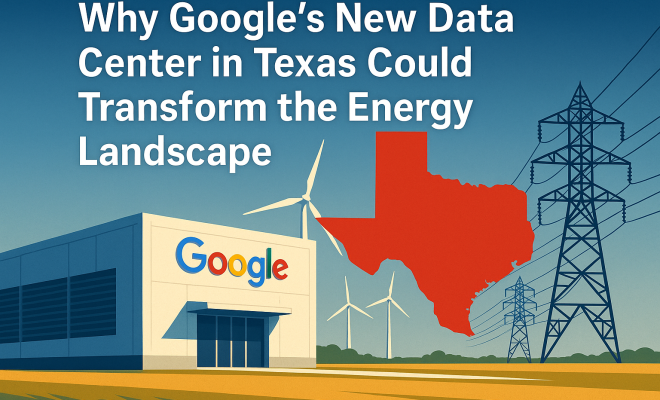
Google’s New Texas Data Center: A Game Changer for Energy?
“`html
In a significant move that has sent ripples through the market, Google has announced a major expansion of its data center footprint in Texas. This decision has not only increased investor enthusiasm, as evidenced by a nearly 4% rise in GOOG stock, but has also sparked intense discussions on social media platforms like Stocktwits, where sentiment surrounding the company is described as “extremely bullish.” With message volume surging 113% in just one week, the implications of this expansion are far-reaching, touching on critical issues of energy demand, local infrastructure, and the future of artificial intelligence (AI).
The Growing Importance of Data Centers
Data centers are the backbone of today’s digital economy. They house servers that store and process vast amounts of data for companies across various sectors, from cloud computing to social media. As reliance on digital services continues to grow, so do the energy demands associated with these facilities. Google’s expansion in Texas is a direct response to this surge in demand, driven largely by advancements in AI, which require substantial computational power.
According to a report by the International Energy Agency (IEA), data centers currently account for about 1-2% of global electricity demand, a figure that is expected to rise dramatically as more businesses migrate to the cloud. This transformation presents both challenges and opportunities for local energy systems, particularly in states like Texas, which is already a leader in renewable energy.
Google’s Strategic Move in Texas
Google’s decision to expand its data center operations in Texas aligns with its broader strategy to enhance its infrastructure capabilities and meet increasing energy demands. The new facility is expected to not only provide the necessary computational resources for Google’s extensive range of services but also push the company to innovate in energy management and sustainability.
Texas has become a hub for data centers due to its favorable regulatory environment, abundant land, and low energy costs. With this expansion, Google is likely to capitalize on these advantages while also contributing to local economies through job creation and infrastructure investments.
The Impact on Local Energy Systems
The energy implications of Google’s data center expansion cannot be understated. As hyperscale data centers demand significantly more power, local energy systems may face unprecedented challenges. In Texas, where deregulated energy markets have encouraged competition and innovation, regulators and energy providers will need to adapt to the evolving landscape shaped by companies like Google.
This expansion raises important questions about how local energy grids will handle the increased load. Will there be sufficient capacity to accommodate the surge in demand? What measures will be taken to ensure sustainability and efficiency? These are critical considerations for stakeholders in the energy sector as they prepare for the future.
Investors React: The Market Response
Following the announcement of Google’s expansion, the stock market reacted positively, with GOOG shares climbing nearly 4%. Investors are clearly optimistic about the long-term ramifications of this move. The surge in Stocktwits message volume signifies that there is heightened interest and speculation surrounding Google’s energy and infrastructure plans.
Market analysts believe that this bullish sentiment is indicative of a broader trend where investors are increasingly valuing tech companies based on their energy strategies. For instance, major players like Microsoft and Amazon are also investing heavily in energy-efficient data centers, creating a competitive race that could redefine how tech companies approach sustainability.
AI Infrastructure: The Driving Force
Artificial intelligence’s rapid evolution is a major driver of the need for expansive data center infrastructure. Google, with its investments in AI, requires immense computational resources to support machine learning models and data processing tasks. This necessity is evident in the company’s existing infrastructure and future planning.
The relationship between AI and data centers is symbiotic; as AI becomes more advanced, data centers need to upgrade their capabilities to support these technologies. Google’s expansion in Texas is not just about physical space; it’s also about preparing for a future where AI applications are more integrated into everyday life, impacting everything from healthcare to transportation.
Challenges Ahead: Balancing Demand and Sustainability
While the growth of Google data centers in Texas presents numerous opportunities, it also poses challenges, particularly in the realm of sustainability. The energy consumption associated with these facilities can lead to increased greenhouse gas emissions unless mitigated by green energy solutions. (See: CDC resources on energy and health.)
Google has made commitments to operate on 24/7 carbon-free energy by 2030. The Texas expansion will need to align with this goal, pushing the company to innovate in energy procurement and usage. This includes investing in renewable energy projects such as solar and wind farms, as well as exploring energy storage solutions that can offset demand peaks.
Local Economic Impacts: Job Creation and Infrastructure Investment
Google’s expansion in Texas is set to create thousands of jobs, ranging from construction to operational roles in the new data centers. This influx of employment opportunities can have a significant positive impact on local economies, particularly in areas that may benefit from enhanced job prospects and increased local spending.
Moreover, the investment in infrastructure associated with the new data center can lead to improvements in local services such as transportation, telecommunications, and utilities. As Google collaborates with local governments and energy providers, the ripple effects of its expansion will likely extend beyond the immediate vicinity of the data centers.
Community Considerations: Engaging Local Stakeholders
As Google moves forward with its data center plans, engaging with community stakeholders will be crucial. Local residents and businesses will want to understand how this expansion will affect their lives, from potential disruptions during construction to long-term impacts on the local environment and economy.
Transparency and open communication will be key to fostering goodwill and addressing any concerns. Google has historically been proactive in community engagement efforts, and continuing this trend will be important as the company expands its presence in Texas.
The Future of Data Centers in Texas
The expansion of Google data centers in Texas is just one part of a larger narrative about the future of digital infrastructure. As the demand for cloud services and AI capabilities continues to rise, other tech giants are likely to follow suit, leading to a potential boom in data center development across the state.
Texas is uniquely positioned to become a leading hub for data centers, thanks to its combination of favorable energy resources, regulatory environment, and a robust tech ecosystem. As companies invest in advanced technologies and sustainable practices, the landscape of data centers in Texas could evolve dramatically in the coming years.
Strategies for Sustainable Data Center Operations
With the increasing scrutiny on energy consumption and carbon emissions, data centers are under pressure to adopt more sustainable operating practices. Google’s Texas expansion can serve as a model for others in the industry. Here are some strategies they may employ:
- Energy Efficiency Improvements: Implementing advanced cooling technologies, such as liquid cooling, can significantly reduce energy use. Google has invested in machine learning algorithms that optimize cooling systems, which can lead to substantial cost savings and energy reductions.
- Utilizing Renewable Energy: Google has committed to sourcing renewable energy for its data centers. In Texas, the company may invest in solar farms or wind energy projects that align with its long-term sustainability goals.
- Advanced Data Center Design: New facilities are designed with energy efficiency in mind. Features such as modular designs and energy-efficient hardware can cut down the overall environmental impact.
Potential Legal and Regulatory Challenges
As Google expands its data center presence, it must navigate a complex landscape of legal and regulatory challenges. Local governments may impose restrictions on energy usage or require compliance with environmental regulations that could affect operations.
In Texas, the deregulated energy market provides a unique environment for energy procurement, but it also means that Google must be vigilant about potential policy changes that could impact costs or operational efficiency. Engaging with local policymakers and being proactive in discussions about energy management will be crucial.
Global Implications of Local Decisions
The decisions made by Google in Texas could have global repercussions. As the demand for cloud services grows, other regions may look to Texas as a blueprint for successful data center operations. The state’s approach to energy management, regulatory flexibility, and support for innovation might serve as a model for other areas struggling with similar issues.
Furthermore, as companies worldwide strive to meet sustainability targets, Google’s strategies in Texas could inform best practices in energy consumption and operational efficiency, influencing how data centers are built and operated globally.
Technology Trends Shaping Data Centers
The landscape of data centers is evolving rapidly, influenced by emerging technologies. Here are some key trends that could shape the future of data centers, including Google’s Texas facilities: (See: New York Times article on Google data centers.)
- Edge Computing: The rise of IoT devices and real-time data processing demands that data centers move closer to the source of data generation. Google may explore edge computing solutions to enhance performance and reduce latency.
- Artificial Intelligence and Automation: AI is becoming integral to data center operations, from predictive maintenance to automated energy management. Google’s investment in AI could lead to more efficient operations in its Texas facilities.
- Hybrid Cloud Solutions: As businesses increasingly adopt hybrid cloud models, Google must ensure its data centers support seamless integration between on-premises and cloud environments. This might involve enhancing connectivity and flexibility within its infrastructure.
Frequently Asked Questions (FAQs)
1. What is the primary purpose of Google’s data center expansion in Texas?
The primary purpose is to meet the growing demand for cloud services and AI applications, enhancing infrastructure capabilities while focusing on sustainability and energy efficiency.
2. How will this expansion impact local job markets?
The expansion is expected to create thousands of jobs, including roles in construction, operation, and maintenance of the data centers, boosting the local economy significantly.
3. What measures is Google taking to ensure sustainability in its data centers?
Google plans to operate on 24/7 carbon-free energy by 2030, investing in renewable energy projects and implementing energy-efficient technologies in its Texas data centers.
4. How does Texas’s regulatory environment benefit data center operations?
Texas offers a favorable regulatory environment with deregulated energy markets, abundant land, and low energy costs, making it an attractive location for data center investments.
5. What role does AI play in the operation of Google’s data centers?
AI is crucial for optimizing data center operations, improving energy management, and enhancing the performance of machine learning models that require significant computational resources.
6. Will there be any community engagement regarding the new data centers?
Yes, Google has a history of engaging with local communities and stakeholders, which will be important as they expand their operations and address any concerns from residents.
7. How might the expansion influence other tech companies?
Google’s expansion could set a precedent for other tech companies, encouraging them to invest in sustainable practices and infrastructure to meet growing demands in cloud computing and AI.
Potential for Technological Innovations in Data Centers
As Google expands its data center operations in Texas, there is a significant potential for technological innovations that could redefine how data centers operate. These innovations may focus on energy efficiency, enhanced cooling systems, and AI-driven management tools. The integration of technologies like blockchain for energy trading or advanced robotics for maintenance could play a pivotal role in optimizing operations.
For instance, utilizing blockchain technology could allow data centers to engage in more efficient energy trading, sourcing power during off-peak hours and selling back excess energy during peak times. This can not only provide cost savings but also contribute to more stable energy grids, making them more resilient.
Additionally, the role of AI in predictive maintenance cannot be overstated. By leveraging machine learning algorithms, data centers can predict hardware failures before they occur, thereby minimizing downtime and enhancing overall operational efficiency. These innovations are essential as data demands continue to grow exponentially.
The Competitive Landscape of Data Centers in Texas
Google’s expansion in Texas is part of a much larger competitive landscape involving various tech giants and cloud service providers. Texas is becoming increasingly attractive for data center operations due to its favorable climate, tax incentives, and energy pricing. Companies like Amazon Web Services (AWS), Microsoft Azure, and Facebook are also investing heavily in data center infrastructure in the state.
This competition leads to a race for technological superiority, where companies are not only looking to expand their physical footprint but also enhancing their energy strategies. For instance, Microsoft has launched initiatives focused on carbon negativity, aiming to be carbon negative by 2030. This competitive pressure may drive Google to innovate further in its sustainability efforts to maintain its market position.
Addressing Cybersecurity in Data Centers
With the expansion of data centers comes the increasing importance of cybersecurity. As more data is stored and processed, it becomes crucial to protect sensitive information from cyber threats. Google, known for its robust cybersecurity measures, will likely continue to invest in advanced security protocols for its Texas data centers.
Implementing multi-layered security strategies, including firewalls, intrusion detection systems, and regular security audits, is essential. Furthermore, educating employees about cybersecurity best practices and ensuring that all third-party vendors adhere to stringent security standards will be key components of a comprehensive cybersecurity strategy.
Long-term Vision for Data Center Development
Looking ahead, Google’s long-term vision for data center development in Texas is likely to include a focus on scalability and adaptability. As technology evolves, data centers must be designed to accommodate new requirements, whether that involves additional power capacity or enhanced cooling solutions.
Additionally, the integration of renewable energy sources will be critical in achieving sustainability goals. Google’s commitment to operating on 24/7 carbon-free energy by 2030 will necessitate a strategic approach to energy procurement and management that aligns with the broader goals of Texas’s energy landscape.
The Societal Impact of Data Center Expansion
The societal impact of Google’s data center expansion in Texas can be profound. With the creation of thousands of jobs and investment in infrastructure, local communities stand to benefit significantly. However, it’s crucial to approach this growth with an eye towards equity and inclusivity to ensure that all community members can participate in and benefit from this transformation.
Investing in local initiatives, supporting educational programs in technology and sustainability, and engaging with underrepresented communities can help foster a more inclusive growth model. This approach not only strengthens Google’s relationship with the community but also builds a more sustainable workforce for the future.
Conclusion: Embracing the Future of Energy and Technology
Google’s expansion into Texas is more than just a corporate growth strategy; it represents a pivotal moment in the intersection of technology and energy. As hyperscale data centers become increasingly essential to our digital world, the need for sustainable energy solutions will only grow stronger. By taking a proactive approach to infrastructure and energy management, Google has the potential to not only transform its operations but also influence the broader energy landscape in Texas and beyond.
“`
Trending Now
Frequently Asked Questions
How will Google's new data center in Texas impact energy demand?
Google's new data center in Texas is expected to significantly increase energy demand due to the growing reliance on digital services and advancements in AI, which require substantial computational power. This expansion highlights the need for local energy systems to adapt and innovate to meet these rising demands.
What are the benefits of Google's expansion in Texas?
Google's expansion in Texas not only enhances its infrastructure capabilities but also promotes innovation in energy management and sustainability. It positions the company to better support its extensive range of services while contributing to local economic growth and energy advancements in a state already known for renewable energy.
Why are data centers important to the digital economy?
Data centers are crucial to the digital economy as they store and process vast amounts of data for various sectors, including cloud computing and social media. Their role is becoming increasingly vital as businesses continue migrating to the cloud, driving up energy demand and creating both challenges and opportunities for local energy systems.
What is the current global electricity demand from data centers?
Data centers currently account for approximately 1-2% of global electricity demand, according to the International Energy Agency (IEA). This figure is projected to rise significantly as more businesses transition to cloud-based services, increasing the pressure on energy resources.
How does Google's data center expansion relate to AI?
Google's data center expansion is closely tied to the demands of artificial intelligence, which requires extensive computational resources. The new facility in Texas is designed to accommodate this growing need, reflecting the broader trend of increasing energy consumption driven by advancements in AI technologies.
What did we miss? Let us know in the comments and join the conversation.