How to take macro photos on phone
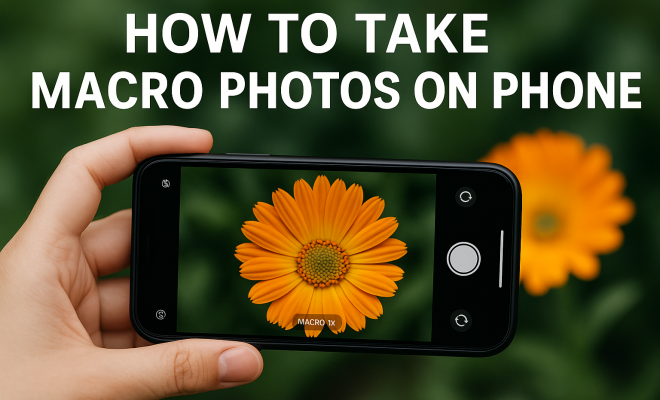
“`html
Macro photography on phone has emerged as a popular way for enthusiasts and casual photographers alike to capture the intricate details of the world around them. With advancements in smartphone cameras, anyone can explore this fascinating photographic style without needing expensive equipment. In this guide, we’ll delve into the essential tips, techniques, and tools to help you master macro photography on your phone.
1. Understanding Macro Photography
Before jumping into the specifics, it’s important to understand what macro photography is all about. Typically, macro photography involves capturing images at a 1:1 ratio or greater, meaning the subject is reproduced on the camera’s sensor at life-size or larger. This type of photography allows you to explore details that are often overlooked, such as the delicate patterns on a flower petal or the minute textures of an insect’s wing.
While traditional macro photography requires specialized equipment, like macro lenses, smartphones have made it much more accessible. Modern smartphones are equipped with advanced camera features that allow you to take impressive close-up shots. However, mastering this art form still requires some practice and technique.
2. Choose the Right Smartphone
Not all smartphones are created equal, especially when it comes to photography capabilities. When considering macro photography on phone, look for models that offer a dedicated macro lens or a high-resolution camera. Smartphones like the iPhone 13 Pro, Samsung Galaxy S21 Ultra, and Google Pixel 6 have features designed for close-up photography.
Additionally, check for features such as optical image stabilization and advanced autofocus capabilities, which can significantly improve the quality of your macro shots. Some phones also come with special modes that enhance macro photography, making it easier for you to achieve the desired results.
3. Get Familiar with Camera Settings
Understanding your smartphone’s camera settings can make a world of difference in your macro photography journey. Familiarize yourself with options like manual focus, exposure compensation, and ISO settings. Adjusting these settings allows for greater control over how your images are captured.
For macro photography on phone, manual focus is particularly useful, as it lets you pinpoint the area of interest and avoid the autofocus feature that might struggle with close-up subjects. Experiment with different settings to find what works best for your style and the subjects you’re shooting.
4. Lighting is Key
Macro photography relies heavily on lighting conditions. Natural light often yields the best results, so try to shoot outdoors or near a window. Overcast days can provide soft, diffused light that helps avoid harsh shadows and highlights.
If you’re shooting indoors or the lighting isn’t ideal, consider using additional sources of light. LED ring lights or small portable lights can illuminate your subject without creating unwanted shadows. Just remember to position your light source properly to avoid glare and reflections that might obscure the details you’re trying to capture.
5. Stabilize Your Shot
When taking macro photos on your phone, even the slightest shake can ruin a shot. To minimize camera movement, consider using a tripod or a smartphone stabilizer. If you don’t have access to these tools, try resting your phone on a stable surface or using both hands to hold the phone steady.
Additionally, using a self-timer can help eliminate shake caused by pressing the shutter button. Many smartphones come with a timer setting, allowing you to take a few moments to stabilize your shot before capturing the image.
6. Get Up Close and Personal
One of the defining characteristics of macro photography on phone is the ability to get extremely close to your subject. Don’t be afraid to position your phone just inches away from your subject, whether it’s a flower, insect, or any other detail. By doing so, you can capture fine textures and details that would be invisible from a distance. (See: Understanding macro photography.)
However, be aware of your phone’s minimum focus distance; this distance varies by model. If you get too close, your lens may not be able to focus properly. Understanding this limitation will allow you to better frame your shots and avoid frustration.
7. Experiment with Composition
Like any form of photography, composition plays a crucial role in macro photography. Think about how you want to frame your subject. Rules of composition, such as the rule of thirds, can help guide your decisions, but don’t be afraid to break the rules for a more creative shot.
Consider using leading lines, patterns, and textures to draw the viewer’s eye into the image. Additionally, varying your angles can lead to striking images; shoot from above, below, or at an angle to discover unique perspectives on familiar subjects.
8. Utilize Editing Apps
Editing can enhance your macro photography and bring out details that might not be immediately visible. There are several apps available that allow you to adjust brightness, contrast, saturation, and sharpness. Consider using apps like Adobe Lightroom, Snapseed, or VSCO for powerful editing options.
Don’t overdo it, though. The goal is to enhance the natural beauty of your macro shots without making them look overly processed. A subtle edit can often make a significant difference in showcasing the intricate details of your subject.
9. Practice Patience and Persistence
Macro photography is, above all, an exercise in patience. You may not get the perfect shot on your first attempt, and that’s perfectly okay. Take your time to observe your subject, learn its movements, and anticipate the right moment to click the shutter. This is especially true when photographing living creatures like insects, which can be unpredictable.
Keep practicing different techniques, settings, and subjects. The more you shoot, the more comfortable you’ll become with your phone’s camera, and the better your macro photography will be. Remember, every great photographer started as a beginner.
10. Share Your Work
Once you’ve captured some stunning macro shots, don’t keep them to yourself! Sharing your work can provide valuable feedback and inspiration for your photography journey. Social media platforms like Instagram and photography-specific communities offer excellent avenues to showcase your skills.
Consider joining local photography groups or online forums where you can connect with fellow photographers. Engaging with others can lead to constructive critiques and tips, helping you grow as a macro photographer.
11. Exploring Macro Photography Subjects
When diving into macro photography on your phone, selecting your subjects is crucial. Nature is often the most straightforward source of inspiration. Flowers, insects, leaves, and textures of natural surfaces can result in stunning images. For instance, the intricate details of a dew-covered spider web or the vibrant colors of a butterfly’s wings can create captivating photographs.
Think beyond the typical and consider everyday objects around your home. Kitchen utensils, fabric textures, and food items can all serve as excellent subjects. The patterns on a sliced lemon or the glossiness of a chocolate surface can yield interesting and visually appealing results. This exploration can help you develop your style and eye for detail.
12. Techniques for Unique Shots
To take your macro photography on phone to the next level, try some unique techniques that can add depth and creativity to your images. One popular method is focus stacking, where you take multiple shots of the same subject at different focus distances and later combine them using editing software to create a single image with a greater depth of field.
Another technique is to use a shallow depth of field intentionally. This means keeping only a small portion of your image in focus while letting the rest blur out. This technique can create a dreamy effect and draw attention to the details you want to highlight. Using this in combination with interesting backgrounds can elevate your shots significantly. (See: Techniques for close-up photography.)
13. Using Accessories for Enhanced Shots
While many smartphones have impressive built-in capabilities, there are accessories designed to enhance macro photography on phone. Clip-on macro lenses can be attached to your smartphone, allowing you to achieve even closer shots and explore new perspectives. These lenses come in various magnifications and can help you capture stunning details that might otherwise be unattainable.
Additionally, consider using reflectors to bounce light onto your subject, which can enhance the illumination without harsh shadowing. Simple DIY options, like using white paper or a small mirror, can help in controlling light effectively.
14. Environmental Considerations
When photographing nature, it’s essential to be mindful of the environment. Respecting the habitats of the subjects you choose to photograph is key, especially when dealing with insects or plants. Avoid trampling over delicate ecosystems or disturbing wildlife. Understanding the natural behaviors of your subjects can help you capture better images while also preserving their habitats.
Moreover, consider the time of year and the time of day when planning your macro photography outings. Certain flowers bloom in specific seasons, and insects are often more active during particular times of the day. Early mornings or late afternoons are typically ideal for natural lighting and for witnessing wildlife in action.
15. Getting Inspired by Other Macro Photographers
Looking at the work of established macro photographers can provide significant inspiration. There are many photographers who specialize in macro work, and following their journeys can teach you new techniques and perspectives. Websites, blogs, or social media platforms like Instagram and Pinterest can showcase outstanding macro photography, allowing you to see the possibilities within this art form.
Consider attending workshops or online classes to learn more about macro photography techniques and gain insight from professionals. Engaging with these communities can also help you connect with like-minded individuals who share your passion.
16. Frequently Asked Questions
What is the best smartphone for macro photography?
While many modern smartphones are capable of capturing macro shots, some stand out more than others. Phones like the latest iPhone models, Samsung Galaxy phones, and Google Pixel devices are equipped with advanced camera systems, including dedicated macro lenses and excellent image processing capabilities.
Can I use external lenses for better macro shots?
Yes, using external clip-on macro lenses can significantly enhance your macro photography on phone. These lenses allow for greater magnification and can help you achieve impressive close-up shots with more detail.
What is the minimum distance I should maintain from my subject?
The minimum focus distance can vary by smartphone model, so it’s best to consult your phone’s specifications. Generally, many smartphones can focus effectively within a few centimeters, but it’s essential to test and find out what works best for your device.
How can I reduce motion blur in macro shots?
To avoid motion blur, ensure that your phone is stable while taking the shot. Using a tripod, stabilizer, or resting your phone on a solid surface can help. Additionally, using the timer function on your phone can prevent shake when you press the shutter button.
What are some good editing apps for macro photography?
Some popular editing apps include Adobe Lightroom, Snapseed, and VSCO. These apps provide various tools for enhancing your macro shots without over-processing them, allowing you to bring out the details beautifully. (See: Advancements in smartphone camera technology.)
How do I maintain focus on moving subjects?
Focusing on moving subjects in macro photography can be challenging. Try to anticipate the movements of your subject and take multiple shots to increase your chances of getting a well-focused image. You can also practice patience and wait for the perfect moment to capture them in a still position.
17. Common Mistakes to Avoid in Macro Photography
Even experienced photographers can fall prey to common pitfalls when shooting macro photography on phone. Here are some mistakes to keep in mind and how to avoid them:
- Ignoring Backgrounds: A cluttered or distracting background can detract from your subject. Always look for simple backgrounds that complement your subject. Even a smooth surface can help emphasize the intricate details of your macro shots.
- Too Much Zoom: Using digital zoom instead of getting close to your subject can lead to loss of detail and clarity. Always move closer physically whenever possible for the best results.
- Forgetting About Depth of Field: Macro shots often require creative use of shallow depth of field to isolate subjects. Be mindful of what is in focus and what isn’t, and adjust your settings accordingly to bring out the best in your image.
- Rushing the Process: Don’t rush your shots. Take time to position your phone correctly, adjust your settings, and wait for the right lighting. Good macro photography often requires patience and deliberation to capture those stunning details.
18. The Role of Social Media in Macro Photography
Social media platforms such as Instagram and Pinterest have transformed how photographers share their work and gather inspiration. For macro photographers, these platforms can serve as a valuable resource for connecting with other enthusiasts and showcasing your talent.
Sharing your macro images on social media not only allows you to receive feedback but also helps you understand current trends in photography. By exploring hashtags like #macro photography or #phonephotography, you can discover new techniques, equipment, and styles that other photographers are using.
Engaging with communities on these platforms can also lead to collaborations or even contests that challenge your creativity and push your skills further. Don’t hesitate to reach out to other photographers for tips or advice; the macro photography community is often very supportive and encouraging.
19. Exploring Different Styles Within Macro Photography
Macro photography on phone isn’t just one-dimensional; there are various styles you can explore to express your creativity. Here are some styles to consider:
- Abstract Macro: Capture shapes, colors, and patterns to create an abstract representation of your subject. This style often emphasizes the beauty of the details rather than the subject itself.
- Documentary Macro: This style involves capturing subjects in their natural environment, providing context and telling a story. For instance, photographing a bee pollinating a flower can illustrate the relationship between species.
- Fine Art Macro: Fine art macro photography focuses on aesthetic value, often utilizing techniques like selective focus and creative compositions to create striking images that can stand alone as art pieces.
Experimenting with these different styles can help you refine your unique approach to macro photography, allowing your personality and vision to shine through your images.
Macro photography on phone is a rewarding way to explore the minute details of our surroundings. With the right tools, techniques, and a touch of creativity, you can capture breathtaking images that tell a story. So grab your smartphone, head outdoors, and start experimenting with macro photography!
“`
Trending Now
Frequently Asked Questions
What is macro photography on a smartphone?
Macro photography on a smartphone involves capturing close-up images of small subjects, typically at a 1:1 ratio or greater. This technique allows photographers to highlight intricate details that are often overlooked, such as textures and patterns found in nature, using the advanced camera features available in modern smartphones.
Which smartphones are best for macro photography?
Some of the best smartphones for macro photography include the iPhone 13 Pro, Samsung Galaxy S21 Ultra, and Google Pixel 6. These models feature dedicated macro lenses, high-resolution cameras, and advanced autofocus capabilities, making them ideal for capturing detailed close-up shots.
How can I improve my macro photography skills with a phone?
To improve your macro photography skills with a phone, practice using the right smartphone features, learn your camera settings, and experiment with different lighting conditions. Additionally, get familiar with techniques like stabilization and composition to enhance your close-up shots.
Do I need special lenses for macro photography on my phone?
While traditional macro photography often requires specialized lenses, many modern smartphones come equipped with macro capabilities. However, external clip-on macro lenses are available and can enhance your phone's ability to capture more intricate details if needed.
What settings should I use for macro photography on my phone?
For macro photography on your phone, utilize settings that enhance focus and exposure. Use the macro mode if available, adjust the ISO for better light sensitivity, and ensure proper stabilization to avoid blurriness. Familiarizing yourself with these settings can significantly improve your macro shots.
What did we miss? Let us know in the comments and join the conversation.