Longevity Reshapes Luxury Real Estate Design in 2026
“`html
The world of luxury real estate design is undergoing a significant transformation, with a new focus on longevity taking center stage. According to Sotheby’s International Realty, the demand for homes designed with health and wellness in mind is reshaping the market, especially among Millennial buyers and those with substantial wealth. In 2026, we are witnessing a shift in what constitutes luxury, as features that promote extended lifespan and overall well-being become crucial elements in high-end housing.
1. The Longevity Trend: What It Means for Luxury Homes
Longevity in design is not merely a buzzword; it encapsulates a growing awareness among affluent buyers about the quality of their living environments and its impact on health. The emphasis on longevity reflects a lifestyle shift where homeowners are looking for more than just opulent amenities. They seek homes that support a longer, healthier life, integrating wellness into the very fabric of their living spaces.
This trend is increasingly appealing to the Millennial market—those born between 1981 and 1996—who are now entering their prime home-buying years. As more Millennials accumulate wealth, they are driving demand for properties that align with their values, including sustainability, wellness, and aesthetics that promote a balanced lifestyle. Luxury real estate design is thus evolving to meet the expectations of these discerning buyers.
2. Key Features of Longevity-Focused Design
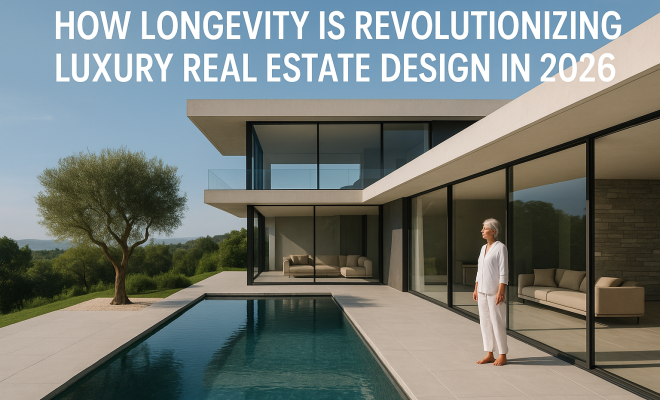
So, what exactly does longevity-focused design look like in luxury real estate? Several distinctive features are emerging as standards among high-end properties. First and foremost, homes are now incorporating natural materials and biophilic design principles—connecting indoor spaces with the outdoors. This can include large windows for natural light, green walls, and indoor gardens, which not only enhance aesthetics but also improve mood and air quality.
Additionally, wellness amenities are becoming increasingly common. High-end homes are now expected to include fitness areas, spa-like bathrooms, and even meditation rooms. These features are designed to promote physical health, mental well-being, and relaxation, aligning perfectly with the growing desire for a holistic approach to living. As a result, luxury real estate design is no longer just about grandeur; it’s about creating environments that nurture the body and spirit.
3. The Role of Technology in Enhancing Longevity
Another critical aspect of longevity-focused design is the integration of technology. Smart home systems that monitor health metrics and environmental factors are becoming integral to luxury properties. This technology can include air purifiers that ensure optimal indoor air quality, circadian lighting systems that adjust to natural light patterns, and even water filtration systems that promote hydration and health.
The use of technology in luxury real estate design not only caters to the needs of health-conscious buyers but also adds an element of sophistication that appeals to tech-savvy consumers. By incorporating these futuristic elements, luxury homes become more than just residences; they transform into personalized health and wellness ecosystems where technology plays a pivotal role in enhancing the quality of life.
4. Millennial Buyers: The Driving Force Behind Change
Millennials are redefining luxury in many ways, and their preferences are pivotal in shaping the future of high-end housing. This generation values experiences over possessions, and their home-buying decisions reflect a desire for environments that not only offer comfort but also foster a sense of community and well-being. As they accumulate wealth, they focus on properties that offer sustainable living and wellness features that enhance their lifestyles.
Moreover, Millennials are more informed and engaged with social and environmental issues than previous generations. They are likely to prioritize homes that use sustainable materials, have energy-efficient systems, and promote social responsibility. This shift in values is prompting developers and designers to rethink what luxury means and how it should manifest in residential spaces.
5. Health and Wellness: A Luxury Lifestyle Narrative
As the narrative of luxury evolves, health and wellness have emerged as essential components in the luxury real estate design conversation. Buyers are now looking for homes that embody a lifestyle focused on health, fitness, and well-being. This trend is particularly relevant in the high-end market, where properties priced at $10 million and above are increasingly being marketed with wellness-centric features.
Wellness-focused design elements are becoming a signature of luxury listings. From home gyms equipped with the latest fitness technology to pools that promote relaxation and stress relief, buyers are seeking homes that enhance their overall lifestyle. The integration of wellness into luxury real estate design is not a passing trend; it’s becoming a core component of what luxury means in today’s society. (See: Life expectancy and health trends.)
6. Attracting High-Net-Worth Buyers
High-net-worth individuals are particularly drawn to properties that reflect their values and lifestyle choices. The emergence of longevity-focused design is appealing to this demographic, as it represents a commitment to health and living well. Luxury real estate agents are adapting their marketing strategies to emphasize these features, catering to buyers who are not only interested in aesthetics but also in the health benefits these homes provide.
As a result, properties that showcase longevity-oriented features are becoming more desirable. This trend is reshaping the luxury market, influencing everything from architectural choices to interior design elements. Developers are now considering how each aspect of a home can contribute to the well-being of its residents, making properties more attractive to affluent buyers who prioritize health.
7. The Future of Luxury Real Estate Design
Looking ahead, the importance of longevity in luxury real estate design will only continue to grow. With an increasing awareness of health issues and a greater focus on quality of life, buyers are likely to prioritize homes that support their well-being. This evolution suggests that the future of luxury housing will be characterized by a blend of aesthetics, wellness, and sustainability.
As architects and designers innovate, we can expect to see more homes featuring smart technology, sustainable materials, and designs that encourage healthy lifestyles. The demand for properties that embody these principles will shape the market, creating new opportunities for developers and designers alike.
8. Emotional Appeal of Longevity Design
Beyond the tangible benefits, the emotional appeal of longevity-focused design plays a significant role in its rising popularity. Buyers are increasingly motivated by a desire for a lifestyle that not only looks luxurious but also feels fulfilling. Homes designed with longevity in mind are often seen as investments in one’s future—both in terms of financial worth and overall quality of life.
This emotional connection is particularly resonant in a time when health and longevity are at the forefront of societal conversations. As people seek to improve their well-being and longevity, the market for homes that reflect these values is poised for growth. Luxury real estate design is thus becoming intertwined with the deeper aspirations of buyers, who are now searching for homes that embody their dreams of an enhanced, health-centric lifestyle.
9. Examples of Longevity-Focused Luxury Properties
Some luxury properties already exemplify the longevity-focused design trend. For instance, the One Hyde Park development in London features elements such as a 24-hour concierge service, a private cinema, and wellness facilities including a spa, gym, and swimming pool. This property successfully combines opulence with wellness amenities that cater to buyers’ desires for health and relaxation.
In Los Angeles, there’s a growing trend of homes designed around holistic living. Properties in areas like the Hollywood Hills incorporate outdoor living spaces, yoga decks, and organic gardens, promoting a lifestyle that embraces nature and well-being. These homes often utilize sustainable building materials and energy-efficient technologies, making them attractive investments that align with buyers’ values.
10. Statistics on The Growing Market for Wellness-Oriented Homes
The statistics surrounding the luxury real estate market indicate a strong trend toward wellness-oriented properties. According to a report by the National Association of Realtors, 87% of homebuyers now say that health and wellness are important factors in their home search. Furthermore, a study conducted by the Global Wellness Institute revealed that the wellness real estate market is projected to reach $197 billion by 2025.
This growing interest translates into higher property values for homes with wellness-focused features. Properties that promote health are not only more desirable, but they can also command a premium price. In fact, homes with wellness amenities can sell for 10-20% more than comparable properties lacking such features.
11. The Role of Developers in Shaping The Future
Developers play a crucial role in the evolution of luxury real estate design. By understanding the demands of Millennial buyers, developers are increasingly integrating wellness features into new projects. For example, major developers like Related Companies and Hines are incorporating wellness initiatives into their residential developments, ensuring that amenities cater to health-conscious buyers.
Moreover, developers are also investing in sustainable practices, such as LEED certification, which recognizes buildings designed with environmental considerations in mind. These practices not only meet the expectations of buyers but also promote long-term savings on energy costs, making them an appealing investment. (See: CDC life tables and health statistics.)
12. Challenges in Implementing Longevity Design
While the shift towards longevity-focused design is promising, it is not without challenges. One significant hurdle is the cost associated with implementing high-quality materials and advanced technologies. Many luxury buyers are willing to pay a premium for health-focused amenities, but there is a limit to what the market will bear. Developers must balance quality and affordability to create properties that attract buyers without straining budgets.
Another challenge is the need for education. Not all buyers fully understand the long-term benefits of investing in wellness features. Real estate agents and developers need to effectively communicate these advantages, highlighting how longevity-oriented design can enhance quality of life and potentially increase property value.
13. Frequently Asked Questions (FAQs)
What is luxury real estate design focused on longevity?
Luxury real estate design focused on longevity emphasizes creating living spaces that promote health, wellness, and sustainability. This approach integrates features such as natural materials, wellness amenities, and smart technology to enhance residents’ quality of life.
How does technology play a role in luxury real estate design?
Technology enhances luxury real estate design by incorporating smart home systems that monitor health and environment, optimizing air quality, lighting, and water quality. This integration transforms homes into personalized wellness ecosystems.
Why are Millennials driving change in luxury real estate design?
Millennials prioritize experiences and well-being over traditional luxury. Their focus on sustainability, health, and community is influencing developers to create environments that reflect these values, leading to a redefinition of luxury in real estate.
What are some examples of longevity-focused features?
Examples include fitness areas, meditation rooms, biophilic design elements like indoor gardens, and smart home technology that supports health and wellness. These features aim to enhance the living experience and promote overall well-being.
Is the trend towards wellness-oriented homes likely to continue?
Yes, with increasing awareness of health and well-being, the trend towards wellness-oriented homes is expected to grow. As buyers prioritize these features, the luxury real estate market will continue to evolve to meet their demands.
14. Impact of Global Events on Luxury Real Estate Trends
Global events can significantly influence the luxury real estate market. The COVID-19 pandemic, for instance, has shifted how people view their living spaces, with an increased emphasis on health and wellness. Many affluent buyers now prefer homes with dedicated office spaces, outdoor areas, and features that enhance their living conditions during extended periods at home.
Statistics show that remote working is likely to remain a trend, with 74% of surveyed professionals expressing a desire for flexible work arrangements, as per a survey conducted by PwC. This shift means that luxury homes designed with conducive workspaces, along with wellness and leisure features, are becoming more appealing. As remote work blurs the lines between personal and professional spaces, luxury real estate will need to adapt accordingly.
15. Comparing Luxury Markets Globally
While the trends in luxury real estate design are somewhat universal, regional differences can significantly influence market characteristics. For example, luxury homes in Europe tend to focus on heritage and classic design, often incorporating historical elements that reflect the region’s cultural lineage. In contrast, luxury properties in the United States, particularly in urban areas like New York and Los Angeles, are leaning towards modern, minimalist designs that emphasize functionality and wellness. (See: Trends in luxury real estate.)
Emerging markets, such as those in Asia, are also seeing increased demand for luxury real estate that prioritizes wellness. In countries like Singapore and Japan, there is a growing preference for properties that include green spaces and sustainable design, reflecting broader societal values around health and environmental responsibility. Understanding these nuances can help luxury real estate professionals better cater to diverse clientele.
16. The Social Responsibility Movement in Luxury Real Estate
As luxury buyers become more socially conscious, the real estate industry is also responding to this trend. Luxury properties are increasingly being marketed not just for their aesthetics and functionality but also for their contributions to social responsibility. This may include aspects like supporting local artisans, employing sustainable construction practices, and contributing to community development projects.
For instance, some luxury developments are incorporating affordable housing units within their projects, creating a balance that appeals to buyers who value inclusivity and social equity. As the luxury market navigates these changes, the focus on social responsibility will likely continue to grow, reshaping how properties are valued and marketed.
17. Future Trends in Luxury Real Estate Design
The luxury real estate design landscape will continue to evolve, with several emerging trends expected to take center stage. One such trend is the increasing personalization of homes, where buyers are looking for unique, custom-designed spaces that reflect their individuality and lifestyle preferences. Customizability will become a key selling point, with designers offering tailored solutions that integrate the latest wellness features.
Additionally, collaborating with wellness professionals such as nutritionists and fitness trainers during the design phase may become more common. This approach ensures that homes are not only aesthetically pleasing but also promote healthy living habits. As luxury real estate design adapts to these evolving preferences, we can anticipate a more holistic and integrated approach to home design—one that prioritizes health, wellness, and individuality in equal measure.
18. The Evolution of Marketing in Luxury Real Estate
As the luxury real estate market adapts to new buyer expectations, so too does the marketing landscape. Traditional approaches that focus solely on property aesthetics are being supplemented with narratives that highlight health benefits, community engagement, and sustainability. Agents and developers are utilizing storytelling techniques to connect with potential buyers on a deeper level, showcasing how a property enhances quality of life.
Virtual reality tours, interactive floor plans, and immersive online experiences are becoming standard practice—allowing buyers to not only visualize the property but also to understand how it fits into their desired lifestyle. This shift in marketing strategy reflects a broader understanding of what luxury means today; it’s less about opulence and more about creating spaces that resonate with buyers’ values and well-being.
19. Conclusion
The luxury real estate design landscape is evolving, driven by an increasing focus on longevity and health. As buyers prioritize wellness-oriented features and sustainable living, the industry must adapt to meet these demands. With Millennial buyers leading the charge, the future of luxury housing looks set to embrace a holistic approach that values health, happiness, and quality of life in every aspect of design.
“`
Trending Now
Frequently Asked Questions
What is the longevity trend in luxury real estate design?
The longevity trend in luxury real estate design emphasizes creating homes that promote health and well-being. This approach integrates wellness features and sustainable materials, reflecting a shift towards environments that support longer, healthier lives, particularly appealing to Millennial buyers.
How are Millennial buyers influencing luxury real estate?
Millennial buyers are significantly influencing luxury real estate by prioritizing properties that align with their values, such as sustainability and wellness. As this demographic accumulates wealth, they seek homes designed for longevity, which reshapes the market's standards and expectations.
What features are included in longevity-focused luxury homes?
Longevity-focused luxury homes often include natural materials, biophilic design elements like large windows, green walls, and indoor gardens. These features enhance aesthetics, improve air quality, and foster a connection to nature, contributing to the overall well-being of residents.
Why is wellness important in luxury real estate design?
Wellness is crucial in luxury real estate design because it reflects a growing awareness of the impact living environments have on health. Buyers increasingly seek homes that not only provide luxury but also support a balanced lifestyle, contributing to their overall quality of life.
What are the benefits of biophilic design in luxury homes?
Biophilic design in luxury homes offers numerous benefits, including improved mood, enhanced air quality, and a stronger connection to nature. By incorporating elements like natural light and greenery, these designs promote mental and physical well-being, making them highly desirable among affluent buyers.
Agree or disagree? Drop a comment and tell us what you think.