How to freeze herbs
“`html
Herbs are the unsung heroes of the culinary world. They can elevate a simple dish into a gourmet experience, bringing freshness and flavor that transforms meals. But what happens when you find yourself with an abundance of herbs? Instead of letting them wilt away, why not freeze herbs and extend their shelf life? This guide will take you through all you need to know about freezing herbs effectively, preserving their vibrant flavors and nutrients for future culinary adventures.
1. The Benefits of Freezing Herbs
Freezing herbs is a practical solution for maximizing flavor and minimizing waste. Fresh herbs tend to have a short shelf life, often wilting or losing potency within days. By freezing them, you can enjoy the aromatic freshness of your favorite herbs long after their harvest season.
Another significant advantage is that freezing retains the essential oils that give herbs their unique flavor profiles. Unlike drying, which can strip away some of these oils, freezing locks them in. This means when you thaw your herbs, they can taste just as good as when they were fresh. Economically, freezing herbs can save you money, especially if you grow them yourself or buy in bulk during peak seasons.
Additionally, freezing herbs can be seen as a sustainable practice. It helps in reducing food waste, allowing you to use every bit of your herb harvest. When you freeze herbs, you not only save money but also contribute to a more environmentally friendly kitchen.
2. Choosing the Right Herbs to Freeze
Not all herbs freeze equally well. While hardy herbs like rosemary, thyme, and sage can withstand freezing without losing much flavor, delicate herbs such as basil, parsley, and cilantro may require some additional care. Ideally, you should freeze herbs that you enjoy using in your cooking and those that have a strong, vibrant flavor.
Before you freeze herbs, consider their uses. For instance, if you frequently make pesto, you might want to freeze basil. If you’re a fan of Mediterranean dishes, rosemary and thyme can be excellent choices. Select herbs based on your cooking preferences and the dishes you love.
It’s worth noting that some herbs, like chives and dill, can be used in a variety of cuisines. While you might focus on the herbs you traditionally use, think outside the box and consider herbs that can complement different meals. This way, you get a wider range of flavors at your disposal when you cook.
3. Preparing Herbs for Freezing
Preparation is key to successfully freezing herbs. Start by washing them thoroughly to remove any dirt or pesticides. After washing, gently pat them dry with a paper towel or let them air dry. Excess moisture can lead to freezer burn, so make sure they’re as dry as possible.
Next, chop the herbs if desired. Chopped herbs freeze more evenly and are easier to portion out later. For larger herbs like rosemary or thyme, you can leave them whole. Once chopped, spread the herbs out on a baking sheet to freeze individually before transferring them to storage containers or bags. This method prevents them from clumping together, allowing you to grab just the right amount when you need it. (See: Nutritional benefits of herbs.)
If you’re freezing herbs like basil, consider making a basil paste with olive oil before freezing. This not only preserves the flavor but also makes it easier to incorporate into dishes later. Simply blend basil with olive oil, then freeze in small portions.
4. Methods to Freeze Herbs
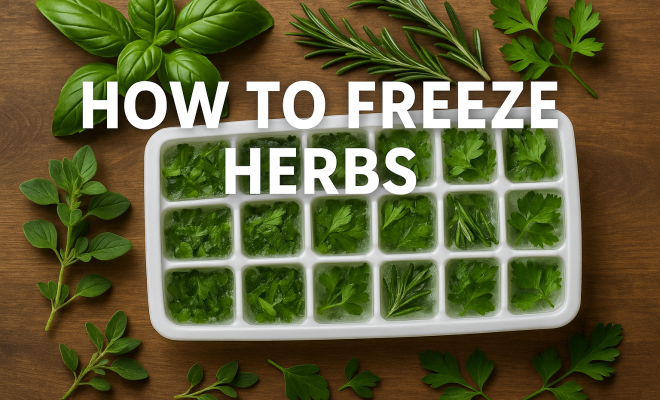
There are several effective methods to freeze herbs, each suiting different needs and preferences. One popular method involves using ice cube trays. Simply fill each compartment with chopped herbs, add a bit of olive oil or water, and freeze. Once solid, transfer the cubes to a freezer bag. This method not only preserves flavor but also makes it easy to add pre-portioned herbs to soups, stews, or sauces.
Another method is to use freezer bags. Place the prepared herbs in a resealable plastic bag, expel as much air as possible, and seal it tightly. Label the bags with the herb name and date to avoid confusion later. If you want to keep the herbs fresh for a more extended period, consider vacuum sealing them, which removes air and prolongs freezer life.
You can also try freezing herbs in olive oil directly. This method not only freezes the herbs but also creates infused oils that can be used in a variety of dishes. This dual-purpose approach can save you time and adds an extra layer of flavor to your cooking.
5. Storage Tips for Frozen Herbs
Once your herbs are frozen, proper storage is crucial for maintaining their quality. Make sure to label all your containers or bags with the herb name and the date of freezing. This helps you keep track of their age and ensures you use them while they’re still at their best.
Store the herbs in the coldest part of your freezer, ideally at 0°F (-18°C) or lower, to prevent freezer burn. For best results, use frozen herbs within six months to a year, depending on the herb type. While they may remain safe to eat beyond this period, the flavor may diminish over time.
Consider using a dedicated freezer for herbs and other perishables if you frequently freeze large quantities. This keeps everything organized and ensures that your herbs are stored properly, minimizing the risk of freezer burn or spoilage.
6. Using Frozen Herbs in Cooking
Cooking with frozen herbs is simple and rewarding. Unlike fresh herbs, frozen herbs can be directly added to dishes without thawing, making them an easy choice for quick meals. Just toss them into soups, stews, or sauces while cooking, allowing the heat to release their flavors. This convenience is especially handy for busy weeknight dinners.
However, it’s essential to remember that frozen herbs may not provide the same freshness and brightness as fresh herbs. For garnishing, you might want to reserve fresh herbs, as they add a vibrant touch to your dishes. Consider using frozen herbs in recipes where their flavor is infused, such as marinades or braises.
It’s also useful to remember that some dishes benefit from a mix of fresh and frozen herbs. For example, using frozen herbs in a slow-cooked dish can enhance the flavor base, while adding fresh herbs just before serving can give that final aroma and brightness.
7. Current Trends in Freezing Herbs
With the rise of sustainable cooking and minimizing food waste, freezing herbs has gained renewed attention. Many home cooks are now growing their herbs at home, embracing the farm-to-table movement. This trend has led to an increase in the practice of freezing herbs as a way to preserve the freshness of home-grown produce. (See: Importance of fruits and vegetables.)
Moreover, innovations in kitchen appliances, such as high-powered blenders and food processors, have made it easier to prepare and freeze herbs efficiently. Many people are now creating herb-infused oils and sauces to freeze, adding another dimension to their cooking. As more people focus on enhancing their culinary skills while being environmentally conscious, the practice of freezing herbs is likely here to stay.
Social media platforms have also contributed to this trend. Food bloggers and influencers regularly share tips and recipes highlighting the versatility of frozen herbs, making it easier for others to adopt this practice. The sharing of experiences and outcomes encourages more home cooks to try freezing herbs as part of their meal prep routine.
8. Frequently Asked Questions About Freezing Herbs
What herbs freeze the best?
Hardy herbs like rosemary, sage, oregano, and thyme freeze well without losing much flavor. On the other hand, basil, parsley, and cilantro can also be frozen but may lose some of their fresh taste if not prepared properly before freezing.
Can I freeze herbs without blanching?
Yes, you can freeze herbs without blanching. Blanching is primarily used for vegetables to stop enzyme activity. For herbs, as long as they are cleaned and dried properly, they can be frozen directly after preparation.
How long can frozen herbs be kept in the freezer?
Frozen herbs can generally be kept in the freezer for six months to a year. While they may still be safe to consume beyond that timeframe, the flavor and potency can decline, so it’s best to use them within this period for optimal taste.
How do I use frozen herbs in recipes?
You can use frozen herbs directly from the freezer without thawing. Simply toss them into your dishes while cooking—soups, stews, and sauces are great options. Just remember that frozen herbs work best in cooked dishes rather than as fresh garnishes.
Can I freeze pesto made with fresh herbs?
Absolutely! Pesto freezes beautifully. Consider freezing it in ice cube trays for easy portioning. Once frozen, transfer the cubes to a freezer bag for later use. This way, you can easily add a burst of flavor to your dishes anytime.
What’s the best way to thaw frozen herbs?
The best way to thaw frozen herbs is to let them sit at room temperature for a short time before using them. However, for cooking purposes, you can add them directly to your dish without thawing, which retains their flavor and texture.
Can I freeze herbs mixed with oil?
Yes, freezing herbs mixed with oil is a fantastic option. It not only preserves the flavor but also prevents freezer burn. Herb-infused oil cubes can be an excellent way to enhance your cooking, providing added flavor to many dishes. (See: Freezing techniques for food preservation.)
9. Innovative Ways to Use Frozen Herbs
Beyond just adding frozen herbs to your cooking, consider some creative uses that can elevate your culinary experience:
- Herb-Infused Oils: Blend frozen herbs with olive oil and strain the mixture to create herb-infused oils. These can be used for drizzling over salads or as dipping oils for bread.
- Soups and Stocks: Use frozen herbs to enhance the flavors of your homemade soups or stocks, adding depth and a burst of freshness.
- Herb Butter: Blend softened butter with thawed herbs, then roll it into a log and wrap it in plastic wrap. Slice off pieces to use on grilled meats or vegetables for an aromatic touch.
- Herb Ice Cubes: Freeze herbs in ice cube trays with broth or wine to create flavorful ice cubes. These can be added to sauces for an instant flavor boost.
- Salad Dressings: Incorporate thawed herbs into homemade salad dressings, providing a fresh taste even in the depths of winter.
Another innovative way to use frozen herbs is in baking. Incorporate thawed herbs into bread dough or savory pastries for an unexpected flavor twist. Think about adding rosemary to focaccia or incorporating dill into scones for a unique taste experience.
10. Expert Perspectives on Freezing Herbs
Chefs and food enthusiasts often share their insights on the importance of preserving herbs by freezing. Chef Jamie Oliver emphasizes the connection between fresh herbs and flavorful dishes, urging home cooks to embrace freezing as a means to keep culinary creativity alive. He notes, “It’s not just about saving money; it’s about preserving the essence of your cooking through every season.”
Herb experts from culinary schools also advocate for freezing as a method to maintain the nutritional benefits of herbs. Studies show that freezing can preserve the antioxidant properties of herbs better than drying, making frozen herbs a healthier option in many cases. These insights underline the dual benefits of sustenance and flavor that freezing herbs provides.
Additionally, nutritionists often recommend incorporating herbs into your diet due to their health benefits. Freezing herbs can ensure that you have access to these healthful ingredients year-round, making it easier to add flavor and nutrients to your meals without added calories.
11. Conclusion
In summary, freezing herbs is a simple yet effective way to extend the life of your favorite flavors. By choosing the right herbs, preparing them properly, and storing them effectively, you can enjoy fresh-tasting herbs year-round. So next time you find yourself with an herb surplus, don’t hesitate to freeze herbs! It’s a delicious decision that will elevate your culinary creations for months to come.
“`
Trending Now
Frequently Asked Questions
What is the best way to freeze fresh herbs?
The best way to freeze fresh herbs is to wash and dry them thoroughly, then chop or leave them whole. You can freeze them in ice cube trays with water or oil, or simply place them in a freezer bag, removing as much air as possible. This helps retain their flavor and nutrients.
Can you freeze all types of herbs?
Not all herbs freeze equally well. Hardy herbs like rosemary, thyme, and sage freeze well without losing flavor, while delicate herbs such as basil, parsley, and cilantro may require additional care, like blanching or freezing in oil.
How long can you freeze herbs?
Herbs can be frozen for up to six months while maintaining their flavor and nutritional value. However, for the best taste, it is recommended to use them within three months.
Do frozen herbs lose their flavor?
Frozen herbs do not lose their flavor like dried herbs often do. Freezing preserves the essential oils that provide their unique flavors, allowing you to enjoy the freshness of herbs even after thawing.
Is it better to freeze or dry herbs?
Freezing is generally better than drying for preserving the flavor of herbs. While drying can strip away essential oils, freezing locks in the fresh taste and aroma, making it ideal for culinary uses.
What did we miss? Let us know in the comments and join the conversation.