Mastering Herb Drying: Preserve Flavors All Year
“`html
Drying herbs is a time-honored method that allows you to preserve the vibrant flavors and aromas of your favorite plants, ensuring that you can enjoy their benefits long after their growing season has ended. Whether you’re a seasoned gardener or just starting out, understanding the techniques and advantages of drying herbs can significantly enhance your culinary experience. In this article, we’ll explore everything from the best herbs to dry, effective drying methods, and practical tips for storage. Let’s get started!
1. The Benefits of Drying Herbs
Drying herbs not only extends their shelf life but also enhances their flavor profile. When herbs are dried, they lose moisture, which concentrates their essential oils. This means that dried herbs often have a more potent flavor than their fresh counterparts. Furthermore, drying makes it possible to enjoy the bounty of your herb garden year-round, reducing waste and allowing for a continuous flavor supply in your cooking.
Another advantage is convenience. Dried herbs take up less space and are easier to store compared to fresh herbs, which often wilt quickly. Plus, with dried herbs, you can throw a pinch into your dish without worrying about using them up before they spoil. This not only saves you money but also allows you to experiment with various herbs at your leisure.
2. Choosing the Right Herbs for Drying
Not all herbs dry equally well. Some maintain their flavor and aroma better than others. Common herbs that are ideal for drying include thyme, oregano, rosemary, sage, and basil. These herbs have robust flavors that come through beautifully even after the drying process. On the other hand, herbs like parsley and chives tend to lose their flavor when dried.
When selecting herbs for drying, it’s best to pick them when they are at their peak freshness. Late morning is usually the ideal time, just after the dew has dried but before the sun is too harsh. This ensures the essential oils are at their highest concentration, leading to a richer flavor in your dried herbs.
3. Methods for Drying Herbs
There are several effective methods for drying herbs, each with its pros and cons. Here are the most popular techniques:
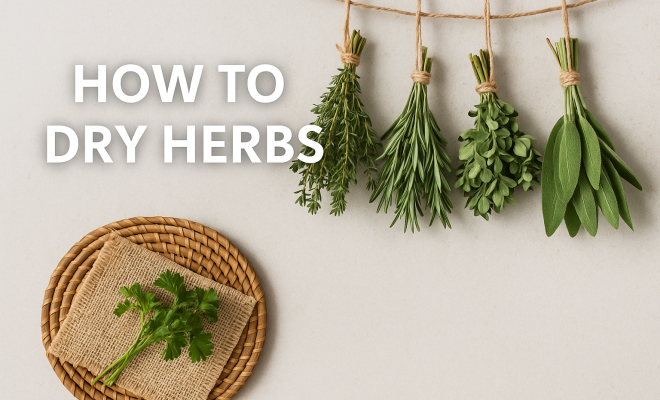
- Air Drying: This is the simplest method. Gather herbs into small bunches and hang them upside down in a cool, dark, and dry area with good air circulation. This method can take anywhere from a few days to two weeks, depending on the humidity and the type of herb.
- Oven Drying: For a quicker method, you can use your oven. Set it to the lowest temperature (usually around 170°F or 77°C) and spread the herbs on a baking sheet. Keep the oven door slightly ajar to allow moisture to escape. Check the herbs every 30 minutes, and remove them once they are crispy.
- Microwave Drying: If you’re short on time, the microwave can be a useful tool. Place herbs between two paper towels and microwave on high for 30 seconds, then check for dryness. If necessary, continue in 15-second increments until the herbs are fully dried.
- Dehydrator: Using a dehydrator offers the most control over the drying process. Place herbs on the trays, set the temperature (usually around 95°F or 35°C), and let the machine do the work. This method typically takes 1 to 4 hours, depending on the herb.
4. Preparing Herbs for Drying
Before drying, it’s crucial to prepare your herbs properly. Start by washing them gently to remove any dirt or insects. After washing, pat them dry carefully with a clean towel to remove excess moisture, as this can lead to mold during the drying process. Remove any damaged or discolored leaves, as these can affect the overall quality of your dried herbs.
Once prepared, you may want to chop or bruise the herbs slightly. This can help release their essential oils, enhancing the flavor. However, for some herbs, like basil and thyme, you may choose to leave them whole. Whole leaves often retain more flavor during the drying process.
5. Storage Tips for Dried Herbs
Storing dried herbs correctly is just as important as the drying process itself. After drying, wait until the herbs have cooled before placing them in storage jars. Glass jars with airtight seals are ideal, as they minimize exposure to air and moisture. Label each jar with the herb name and the date of drying.
Keep your dried herbs in a cool, dark place—light and heat can degrade their flavor over time. A pantry or a cupboard away from the stove is typically the best spot. Properly stored, dried herbs can last for up to a year, though their best flavor will be within the first six months.
6. How to Use Dried Herbs in Cooking
Once you have your dried herbs ready, you might wonder how best to use them in your cooking. A good rule of thumb is that dried herbs are more potent than fresh, so use about one-third of the amount you would typically use of fresh herbs. For example, if a recipe calls for 3 teaspoons of fresh basil, you’d use about 1 teaspoon of dried basil. (See: Benefits of drying herbs.)
Dried herbs should ideally be added early in the cooking process so that they have time to rehydrate and release their flavors. This makes them a great addition to soups, stews, and sauces. However, for delicate dishes like salads or light pasta, you might want to add the dried herbs closer to the end to preserve their flavor intensity.
7. Common Mistakes to Avoid When Drying Herbs
Even seasoned cooks can run into problems when drying herbs. One common mistake is not ensuring that herbs are adequately dried before storing them. Moisture can lead to mold and spoilage, ruining your hard work. Always perform a snap test—if the leaves crumble easily, they’re ready for storage.
Another pitfall is using herbs that aren’t fresh. Herbs that are past their prime may not have the same flavor, even when dried. Additionally, be cautious with the drying method you choose; using too high a temperature can scorch the herbs and diminish their flavor.
8. Herb Blends and Flavor Combinations
Creating your own dried herb blends can be a fun and rewarding process. By combining different herbs, you can create unique flavors tailored to your taste. Popular combinations include Italian seasoning (a blend of basil, oregano, thyme, and rosemary) or a Mediterranean mix that might include dill and parsley.
When mixing herbs, think about the flavor profiles and how they complement each other. For instance, robust herbs like sage and rosemary can pair beautifully with milder herbs like thyme and basil. Experimenting with different combinations can lead to delightful culinary discoveries!
9. The Environmental Impact of Drying Herbs
In an era where sustainability is increasingly important, drying herbs can be a great way to minimize food waste. By preserving herbs from your garden or those purchased from farmers’ markets, you’re not only saving money but also reducing your carbon footprint. Less reliance on store-bought dried herbs means fewer resources used in production and shipping.
Moreover, growing your own herbs can foster a connection to your food and its sources. Many herbs are easy to cultivate in home gardens or even in pots on your balcony, making them accessible to anyone interested in sustainable living. This practice promotes self-sufficiency and a deeper appreciation for the ingredients you use.
10. Frequently Asked Questions about Drying Herbs
1. How do I know when my herbs are fully dried?
The best way to check for dryness is through the “snap test.” If the leaves break easily and crumble when you handle them, they’re properly dried. If they bend without breaking, they may need more time to dry.
2. Can I dry herbs in direct sunlight?
It’s not recommended to dry herbs in direct sunlight as this can cause the essential oils to degrade quickly, leading to a loss of flavor and aroma. Instead, opt for a shaded, well-ventilated area.
3. What’s the best way to store dried herbs?
The ideal storage for dried herbs is in airtight glass jars, kept in a cool, dark place. Avoid plastic containers as they may allow moisture in, potentially leading to spoilage.
4. Can I dry herbs in the freezer?
Yes, freezing herbs is an excellent option, especially for those that you don’t use frequently. However, freezing won’t preserve the texture and flavor in the same way that drying does. If you choose to freeze herbs, wash and chop them, then place them in an ice cube tray with water or oil for easy use later.
5. How long do dried herbs last?
When stored correctly, dried herbs can last for up to a year. However, their flavor is typically best within the first six months after drying. Always check for any signs of moisture or mold before using. (See: Herb drying techniques.)
6. Can I dry culinary herbs and medicinal herbs in the same way?
Yes, many culinary and medicinal herbs can be dried using the same methods. However, ensure that any herbs meant for consumption are free from pesticides or other chemicals, especially if they are not grown in your garden.
7. Is it better to dry herbs whole or chopped?
It depends on the herb, but generally, drying whole leaves can help preserve more flavor. You can always chop the herbs after drying for easier use in dishes.
11. Comparing Drying Methods: Which is Best for You?
Each method of drying herbs has its advantages and disadvantages, and the best choice depends on your needs, available resources, and how much time you have. Here’s a closer look at each:
- Air Drying: Ideal for those with patience and optimal conditions. It requires no special equipment but can be time-consuming and may not work well in high-humidity areas.
- Oven Drying: Fast and efficient, but you need to monitor it closely to prevent burning. This method can also consume more energy compared to others.
- Microwave Drying: Extremely quick, making it an excellent choice for those in a hurry. However, it may not be suitable for larger quantities and can lead to uneven drying if not monitored carefully.
- Dehydrator: Provides the most control and efficiency, especially for larger quantities. It’s a solid investment if you plan to dry herbs regularly, but it does require purchasing additional equipment.
12. Modern Trends in Herb Drying
With the rise of home cooking and an increasing interest in sustainable practices, many are turning to drying herbs as a way to preserve not just their flavors but also biodiversity in the culinary landscape. There’s been a notable trend toward using dehydrators that allow for precise temperature controls, which can make the drying process more efficient.
Additionally, as people become more aware of health and wellness, there’s a growing demand for organic dried herbs free from additives and preservatives. This has led to a resurgence in home herb gardens, as individuals seek to grow and dry their own herbs, ensuring quality and control over their food sources.
13. Herbal Medicine and Drying
Beyond cooking, drying herbs is also essential in the field of herbal medicine. Many practitioners of herbalism dry plants to create tinctures, teas, and other remedies. The principles of drying for medicinal purposes closely resemble culinary drying, emphasizing the importance of freshness and correct drying methods to keep the therapeutic properties intact.
Some popular medicinal herbs that are often dried include echinacea, chamomile, and peppermint. Each has specific preparation methods that can enhance their healing properties, making the art of drying herbs significant in both culinary and health contexts.
14. Future of Drying Herbs
The future of drying herbs seems promising as culinary trends continue to revolve around fresh, natural ingredients. Innovations in dehydration techniques may emerge, potentially integrating technologies like vacuum drying or advanced freeze-drying, which might retain more essential oils and flavors than traditional methods.
As the farm-to-table movement grows, so will interest in preserving herbs in ways that allow chefs and home cooks to enjoy fresh flavors year-round. Ultimately, drying herbs will remain a vital skill for those looking to enhance their cooking while embracing sustainability.
15. Final Thoughts: Your Herb Drying Journey
Whether you’re just starting or looking to refine your herb drying techniques, remember that it all comes down to practice and experimentation. Every herb has its characteristics, and understanding how they respond to drying will help you master the art. Enjoy the process, embrace your creativity, and savor the incredible flavors you can bring to your kitchen with your own dried herbs. Happy drying! (See: The science of drying food.)
16. Additional Herbs to Explore for Drying
While many cooks are familiar with the typical herbs like basil and oregano, don’t hesitate to explore less common varieties that can also contribute unique flavors to your dishes. Here are some great options to consider:
- Marjoram: This herb has a sweet, citrusy flavor, making it a fantastic addition to meat dishes and sauces.
- Tarragon: Often used in French cuisine, dried tarragon offers a distinct anise flavor that pairs well with poultry and fish.
- Fennel Fronds: These can be dried and used as a substitute for dill, adding a mild, sweet flavor to your dishes.
- Chervil: Sometimes referred to as “French parsley,” chervil has a subtle anise flavor and is excellent in fine sauces and soups.
17. Herb Drying Workshops and Resources
If you’re looking to deepen your knowledge about drying herbs and herbs in general, consider attending workshops or classes in your local community. Many botanical gardens and community centers offer sessions on drying herbs, foraging, and using them in cooking and medicine.
Books and online resources can also be incredibly helpful. Some excellent reads include “The Herbal Medicine-Maker’s Handbook” by James Green and “Herbal Recipes for Vibrant Health” by Rosemary Gladstar. Websites like the Herbal Academy or local extension services often provide valuable information on herb cultivation and drying methods.
18. Herb Drying: A Cultural Perspective
Drying herbs is not only a culinary practice but also a cultural one. Throughout history, different cultures have developed unique techniques for preserving herbs. For example, in Mediterranean regions, drying herbs has been a staple for centuries, often associated with traditional cooking methods.
In many Indigenous cultures, certain herbs are dried for medicinal or spiritual purposes. Understanding these cultural contexts can enrich your appreciation for the herbs you work with and the drying processes you choose. It can also inspire you to create your own unique recipes that reflect your cultural heritage or personal influences.
19. Herb Drying in the Culinary World
In professional kitchens, the drying of herbs is often seen as a vital step in ingredient preparation. Chefs recognize that the right dried herbs can transform a dish, providing depth and complexity that fresh herbs may not always deliver. For instance, the robust flavor of dried thyme can enhance sauces and marinades in ways that fresh thyme cannot.
Additionally, dried herbs are commonly used in spice blends, allowing chefs to create signature flavors that define a restaurant’s cuisine. Exploring this culinary landscape can inspire home cooks to experiment with herb drying, leading to unique and personalized flavor profiles in their cooking.
“`
Trending Now
Frequently Asked Questions
What are the benefits of drying herbs?
Drying herbs extends their shelf life and enhances their flavor by concentrating essential oils. This method allows you to enjoy your herbs year-round, reduces waste, and provides convenient storage compared to fresh herbs, which can wilt quickly.
Which herbs are best for drying?
Ideal herbs for drying include thyme, oregano, rosemary, sage, and basil. These herbs maintain their robust flavors well after drying, while herbs like parsley and chives tend to lose their flavor.
When is the best time to harvest herbs for drying?
The best time to harvest herbs for drying is late morning, just after the dew has dried but before the sun becomes too harsh. This timing helps ensure that the essential oils are at their peak freshness.
What methods can be used to dry herbs?
Common methods for drying herbs include air drying, using a dehydrator, or employing an oven on low heat. Each method has its advantages, but all effectively remove moisture to preserve flavor and aroma.
How should dried herbs be stored?
Dried herbs should be stored in airtight containers in a cool, dark place to maintain their flavor and potency. Proper storage can significantly extend their shelf life, allowing you to enjoy them for months.
What did we miss? Let us know in the comments and join the conversation.