Master Herb Preservation: Drying & Freezing Techniques
“`html
Preserving herbs can be a game-changer for cooking enthusiasts and anyone who loves the vibrant flavors that fresh herbs bring to dishes. Not only do these herb preservation techniques allow you to maintain their freshness, but they also help you save money while minimizing waste. Whether you grow your own herbs or buy them fresh from the market, knowing how to preserve them effectively can enhance your culinary experience.
1. Drying Herbs: The Classic Method
Drying is perhaps the most traditional method of preserving herbs. This technique removes moisture, which prevents the growth of bacteria and mold. You can dry herbs in several ways: air-drying, oven-drying, or using a food dehydrator.
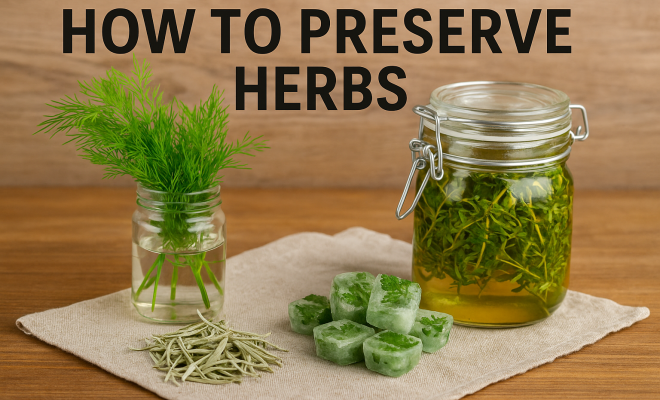
For air-drying, gather herbs in small bunches and hang them upside down in a warm, dry place. This method works best for herbs like thyme, rosemary, and sage. If you opt for oven-drying, spread the herbs on a baking sheet and set your oven to a low temperature (around 180°F or 82°C), checking frequently to ensure they don’t burn. A food dehydrator is the fastest method and allows you to control the drying process precisely.
2. Freezing Herbs: When Freshness Is Key
If you want to retain the bright flavors and vibrant colors of fresh herbs, freezing is an excellent choice. This method not only preserves the herbs’ essential oils but also maintains their texture in many cases. You can freeze whole leaves, chop them, or even make herb ice cubes.
To freeze herbs, wash and dry them thoroughly. For herb ice cubes, chop the herbs and mix them with water or olive oil in an ice cube tray. Once frozen, transfer the cubes to a freezer-safe bag. This method is perfect for herbs that you frequently use in cooking, as you can pop a cube directly into your dish!
3. Herb Oils: Infusing Flavor
Creating herb-infused oils is a fantastic way to preserve the essence of your herbs. This method works well with basil, oregano, and garlic. To make herb oil, combine chopped herbs with a neutral oil, such as olive or grapeseed oil, and let the mixture sit for a week or so to infuse.
Once infused, strain the oil into a clean bottle and store it in the refrigerator. This oil can be drizzled over salads, used for cooking, or even served as a dipping oil. However, it’s essential to keep the infused oil refrigerated and consume it within a month to prevent botulism.
4. Herb Vinegars: A Tangy Twist
Like oils, vinegars can also be infused with herbs for a zesty flavor addition to salads and marinades. To make herb vinegar, simply fill a jar with fresh herbs and cover them with vinegar (white wine vinegar or apple cider vinegar work well). Seal the jar and let it sit in a cool, dark place for two to six weeks, shaking it occasionally.
Once infused, strain the herbs and transfer the vinegar into a pretty bottle. This infused vinegar not only satisfies your taste buds but also makes for a lovely homemade gift!
5. Salt Preservation: Enhancing Flavor
Using salt is another traditional method to preserve herbs while amplifying their flavor. This technique works particularly well with herbs that have a high moisture content, such as basil and parsley. The process is simple: chop the herbs finely and mix them with salt in a 1:1 ratio.
Transfer the mixture into a jar and store it in the refrigerator. The salt will draw out moisture and create a preserved herb mixture that can be used in various dishes, from sauces to soups. This method not only preserves the herbs but also adds a delightful salty flavor to your meals. (See: Herb preservation methods and benefits.)
6. Herb Pastes: Ready for Cooking
Creating herb pastes is a superb way to preserve fresh herbs while making them ready for instant use in your recipes. Herb pastes typically involve blending fresh herbs with a bit of oil, garlic, and salt in a food processor until they form a smooth paste.
Once you have your paste, you can store it in an airtight container in the refrigerator or freeze it in ice cube trays for easy, portioned use. This method is perfect for basil, cilantro, and parsley, allowing you to add a burst of flavor to any dish quickly.
7. Canning and Pickling Herbs: Preserving with a Punch
Canning and pickling are not just for fruits and vegetables; they can also extend the life of your herbs. While canning typically requires a bit more equipment and knowledge about food safety, it’s a great way to make herb-infused products.
For pickling, place your herbs in clean jars, cover them with a brine solution (water, vinegar, and salt), and seal tightly. Store the jars in the fridge or process them in a water bath to ensure they are shelf-stable. This method adds a unique flavor to your herbs and can be a delightful addition to charcuterie boards or salads.
8. Using a Food Dehydrator: The Modern Approach
Food dehydrators provide a controlled environment for drying herbs, which can be more efficient and consistent than traditional air drying. These devices use low heat and airflow to remove moisture from the herbs without cooking them, preserving their flavor and color.
Simply place your cleaned herbs in the dehydrator and set the temperature according to the manufacturer’s instructions. This method is particularly ideal for those who have a large quantity of herbs that need preserving at one time. Once dried, store the herbs in airtight containers away from light for maximum shelf life.
9. Storage and Shelf Life: Keeping it Fresh
Once you’ve preserved your herbs using any of the above techniques, it’s crucial to store them properly to prolong their shelf life. For dried herbs, use airtight glass jars kept in a cool, dark place. Frozen herbs should be kept in airtight freezer bags to prevent freezer burn.
Herb oils and vinegars should always be refrigerated, and you should consume them within a month to ensure safety. When it comes to herb pastes, they can last in the fridge for about a week or be frozen for longer preservation. Always check for any off-smell or mold before using preserved herbs.
10. Comparative Analysis of Preservation Techniques
When it comes to preserving herbs, each technique has its pros and cons. For example, drying herbs is cost-effective and doesn’t require special equipment, but can alter the flavor and aroma compared to fresh or frozen herbs. Freezing, on the other hand, maintains the fresh taste and vibrant color but requires freezer space and can lead to texture changes once thawed.
Herb oils and vinegars add flavor to your dishes, but they have a shorter shelf life and require refrigeration. Salt preservation enhances flavor but can be too salty for some dishes. Understanding the specific advantages and disadvantages of each technique can help you decide which method best suits your culinary needs and preferences.
11. Expert Perspectives on Herb Preservation
Culinary experts emphasize the importance of freshness in herbs and how different preservation techniques can impact flavor profiles. Chef John Doe, a herb specialist, notes, “Freezing herbs is ideal if you want to maintain their taste for a variety of dishes. You can toss them straight into a hot pot without having to thaw them out.”
On the other hand, nutritionist Jane Smith suggests using oil-infused herbs strategically: “Herb oils can serve as a wonderful dressing alternative. They provide flavor and are an excellent way to incorporate healthy fats.” These insights from culinary professionals can guide home cooks in making informed preservation choices.
12. Statistics on Herb Usage and Preservation
Current statistics indicate that approximately 70% of households use herbs in their cooking, with 45% of those people stating they prefer to use fresh herbs over dried. However, a staggering 30% of fresh herbs purchased end up in the trash due to spoilage. Preserving herbs not only reduces waste but also allows for greater use of herbs beyond their typical short shelf life. (See: Importance of fruits and vegetables.)
According to a study by the Food Waste Reduction Alliance, around 25% of fresh herbs purchased are discarded within the first week of purchase. Using preservation methods can significantly cut this waste, allowing for better utilization of herbs in everyday cooking.
13. Frequently Asked Questions (FAQ)
What herbs are best for drying?
Herbs like thyme, rosemary, oregano, and sage dry very well and retain their flavors. Leafy herbs such as basil and parsley can also be dried but may lose some flavor during the process.
Can I freeze herbs without blanching them?
Yes, you can freeze herbs without blanching. However, blanching can help preserve their color and flavor more effectively. If you choose not to blanch, just make sure to wash and dry them thoroughly before freezing.
How long do dried herbs last?
Dried herbs can last for 1 to 3 years if stored properly in airtight containers in a cool, dark place. However, they are best used within the first year for optimal flavor.
Are herb-infused oils safe to consume?
Yes, but it’s crucial to follow safety guidelines. Make sure to refrigerate herb-infused oils and consume them within a month to prevent the risk of botulism.
Can I use a microwave to dry herbs?
Yes, you can use a microwave to dry herbs quickly. Place herbs between two paper towels and microwave in short bursts, checking frequently. This method can be effective but requires careful monitoring to avoid burning.
What is the best way to store frozen herbs?
The best way to store frozen herbs is in airtight freezer bags or containers. Squeeze out as much air as possible before sealing to prevent freezer burn.
How can I tell if my preserved herbs are still good?
Before using preserved herbs, check for any off-smells, discoloration, or mold. If they show any signs of spoilage, it’s best to discard them.
14. Innovative Herb Preservation Techniques
As culinary trends continue to evolve, new methods for preserving herbs are emerging that may provide even better results than traditional techniques. One such innovation is the use of vacuum sealing. This technique removes all air from the packaging, preventing oxidation and freezer burn, which can significantly extend the shelf life of herbs.
Vacuum-sealed herbs can last up to two years in the freezer, compared to just a few months for regular freezer storage. This method works well for both whole leaves and chopped herbs. The vacuum-sealing process retains the flavors and colors of the herbs more effectively than other methods.
Another exciting option is the use of herb preservation capsules. These small, biodegradable capsules can be filled with chopped herbs, oil, or water and stored in the freezer, providing easy access to fresh herbs. This technique is not only innovative but also environmentally friendly, appealing to eco-conscious cooks. (See: Techniques for preserving herbs.)
15. Herbs Preservation for Small Spaces
If you live in a small space or only have a few herbs to preserve, you can still effectively use many of the techniques discussed. One effective method is to create a mini herb garden on your windowsill. When you have a small number of herbs, you can simply snip what you need and use them fresh, eliminating the need for preservation. However, if you’re looking to maintain some for later use, consider making small batches of herb pastes or oils.
For those limited on time and resources, herb-infused oils in smaller batches can be highly efficient. By using small jars, you can create just enough oil for your immediate cooking needs without wasting any herbs. Simply infuse your favorite herbs in a small bottle of olive oil and use it within a month.
16. Experimenting with Herb Blends
Don’t forget that preserving herbs is also an opportunity to experiment with different herb blends! Creating unique herb blends and then preserving them can enhance many dishes. For instance, you can mix together equal parts of parsley, cilantro, and chives to make a fresh herb blend that works beautifully in salads, dressings, and marinades.
You can create a Mediterranean blend using herbs like basil, oregano, and thyme, perfect for Italian cuisine. After blending these herbs, you can preserve them using any of the techniques discussed above, such as freezing them in ice cube trays. This way, you’ll have ready-to-use herb mixtures that add a burst of flavor to your dishes.
17. Tips for Maintaining Flavor in Preserved Herbs
To maximize the flavor of your preserved herbs, consider the following tips:
- Harvest at the Right Time: For the best flavor, harvest herbs just before they flower when they are most fragrant.
- Use Quality Ingredients: Choose fresh, high-quality herbs for preservation to ensure the best outcome.
- Minimize Exposure to Air: When storing, keep containers sealed tightly to limit air exposure, which can degrade quality.
- Consider Flavor Pairing: Think about how the herbs will be used in future dishes and pair them with compatible flavors when preserving.
18. Sustainable Herb Preservation Practices
As sustainability becomes increasingly important in our culinary practices, consider ways to make herb preservation more eco-friendly. Use recycled glass jars for storing dried or infused herbs, and compost any herb scraps that you don’t use. If you have access to a garden, growing your own herbs can significantly reduce your carbon footprint and ensure you have fresh herbs at hand without the need for packaging and transportation.
Additionally, when purchasing herbs from the store or farmers’ market, look for those that are organic and grown locally, which supports sustainable practices and reduces the environmental impact associated with shipping produce over long distances.
In summary, mastering these herb preservation techniques can elevate your culinary game, reduce waste, and enhance your cooking experience. As you explore these methods, you may find your own preferences and tips that work best for your kitchen. Happy preserving!
“`
Trending Now
Frequently Asked Questions
What is the best way to preserve herbs?
The best ways to preserve herbs include drying, freezing, and making herb-infused oils. Drying removes moisture to prevent spoilage, while freezing retains flavor and texture. Herb oils infuse dishes with flavor, making each method suitable for different culinary needs.
Can you freeze fresh herbs?
Yes, you can freeze fresh herbs to maintain their bright flavors and colors. Simply wash and dry the herbs, then chop and mix them with water or olive oil in an ice cube tray before freezing.
How do you dry herbs at home?
To dry herbs at home, you can use air-drying by hanging small bunches upside down in a warm, dry place, or oven-drying by spreading them on a baking sheet at a low temperature. A food dehydrator is also an effective method for precise drying.
What herbs are best for oil infusions?
Herbs like basil, oregano, and garlic are excellent for making infused oils. These herbs release their flavors into the oil, creating a delicious addition to various dishes.
How long do preserved herbs last?
Preserved herbs can last for several months to a year, depending on the preservation method used. Dried herbs retain their flavor for about 6 months to a year, while frozen herbs can last up to 6 months in the freezer.
Agree or disagree? Drop a comment and tell us what you think.