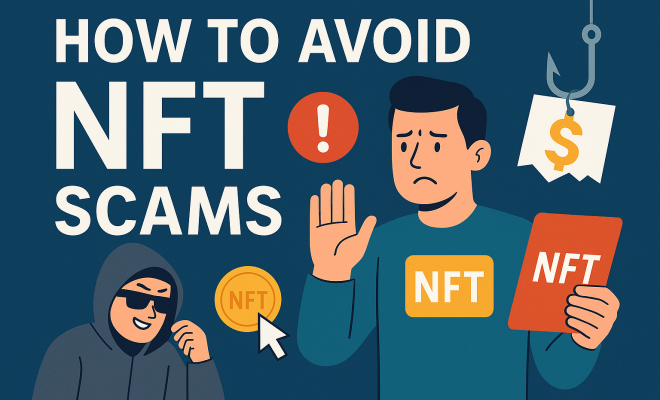
How to avoid NFT scams
“`html
NFTs, or Non-Fungible Tokens, have taken the digital world by storm. They represent unique digital assets—from art and music to virtual real estate—enabling creators to monetize their work like never before. But while the NFT market offers exciting opportunities, it also attracts a darker side filled with scams and fraudulent activities. In this article, we’ll explore eight essential tips to help you avoid NFT scams and safeguard your investments.
1. Understand What NFTs Are
Before diving into the NFT marketplace, it’s crucial to grasp what NFTs are. Unlike cryptocurrencies like Bitcoin or Ethereum, which are fungible and can be exchanged one-for-one, NFTs represent ownership of a unique item or piece of content on a blockchain. This uniqueness is what makes them valuable—but it also makes them a prime target for scammers.
Many scams involve fake NFTs or counterfeit versions of popular digital art. By understanding the basic principles of NFTs, such as how they’re minted, bought, and sold, you’re less likely to be tricked by a scam. Familiarize yourself with terms like minting, gas fees, and wallets to ensure you’re not walking into traps that exploit your ignorance.
2. Use Reputable Marketplaces
Choosing the right marketplace can significantly reduce your risk of falling for scams. Platforms like OpenSea, Rarible, and Foundation have established reputations within the NFT community. Make sure to do your homework and only engage with well-known marketplaces that have robust security measures in place.
Always verify the authenticity of the platform. Look for security certificates, read reviews, and check community discussions. A reputable marketplace typically has a user-friendly interface, clear terms of service, and a transparent communication channel for resolving disputes. These elements signal trustworthiness and can help you avoid NFT scams.
3. Check the Creator’s Authenticity
When buying an NFT, always investigate the creator behind it. Scammers often impersonate well-known artists or brands to sell counterfeit NFTs. Look for a verified profile on the marketplace or cross-reference with the creator’s official website and social media channels to confirm their identity.
Many artists use social media to promote their work, so checking these platforms can provide additional verification. If an NFT is linked to a famous creator, check their official channels to see if they’ve mentioned or promoted the NFT you’re interested in. Engaging directly with the artist can also help you gauge whether the piece is legitimate.
4. Be Wary of Too-Good-To-Be-True Deals
In the world of NFTs, if a deal sounds too good to be true, it probably is. Scammers often lure victims with ridiculously low prices on popular NFTs or promise high returns on investments. This tactic preys on the desire for quick gains, making it crucial to approach such offers with skepticism.
Before making a purchase, research the typical market price for the NFT you’re considering. Websites that track NFT sales can provide valuable insights into fair pricing. If the deal deviates significantly from the market average, it’s a red flag. Always remember: legitimate artists and platforms don’t need to resort to gimmicks to sell their work.
5. Secure Your Digital Wallet
Your digital wallet is the gateway to your NFT purchases and transactions, making it a prime target for scammers. To avoid NFT scams, ensure that your wallet is secure. Use wallets that support two-factor authentication (2FA) and have a reputation for strong security protocols.
Additionally, never share your wallet’s private keys or seed phrases. These are essentially the keys to your digital assets, and revealing them can lead to theft. If a platform or individual asks for this information, it’s a clear sign of a scam. Always prioritize your wallet’s security over convenience. (See: Understanding Non-Fungible Tokens.)
6. Stay Updated on Common Scams
The NFT landscape is constantly evolving, and so are the scams that target users within it. Staying informed about the latest scams can greatly reduce your risk. Follow reliable sources in the NFT community, join forums, and subscribe to newsletters that discuss security topics.
Common scams include phishing attacks, fake marketplaces, and rug pulls—where a project suddenly disappears after raising funds from investors. By educating yourself about these tactics, you’ll be better equipped to identify suspicious activity and avoid NFT scams before they can affect you.
7. Verify Smart Contracts
When buying NFTs, you’re often engaging with smart contracts—self-executing contracts with the terms of the agreement directly written into code. Understanding how these work can help you avoid scams. Always verify the smart contract associated with the NFT you’re interested in to ensure it’s legitimate.
Tools like Etherscan allow you to check the legitimacy of smart contracts. You can see transaction histories, token distributions, and more. If you encounter a smart contract with suspicious activity or no clear history, it’s best to steer clear. A legitimate NFT should come from a smart contract with a transparent and reputable history.
8. Trust Your Instincts
Finally, never underestimate the power of your intuition. If something feels off about a transaction or a seller, trust that feeling. Taking a moment to step back and reassess can help you avoid making hasty decisions that you may regret later.
Joining communities and forums can also provide support. Engaging with fellow collectors and investors can provide valuable insights and expose you to red flags others may have noticed. When you’re part of a community, you’re less likely to go it alone, and the collective knowledge can be a powerful defense against scams.
Understanding the Types of NFT Scams
To effectively avoid NFT scams, it’s essential to recognize the various types of scams that exist. Here are some of the most common scams prevalent in the NFT space:
Phishing Scams
Phishing scams involve attackers pretending to be legitimate entities to steal sensitive information. They often create fake websites or social media accounts mimicking authentic projects. To avoid falling for phishing scams, always double-check URLs and avoid clicking on suspicious links.
Rug Pulls
A rug pull occurs when developers abandon a project after raising substantial funds from investors. They typically promote the project aggressively, only to disappear once they’ve made enough money. To mitigate this risk, research the team behind the project and assess their credibility before investing.
Counterfeit NFTs
Counterfeit NFTs are copies of original artworks being sold as if they were authentic. Verifying the creator and the NFT’s history through reputable marketplaces can help you avoid these scams. Always check for the NFT’s provenance, which tracks the ownership history.
Fake Marketplaces
Scammers often set up fake marketplaces mimicking well-known platforms to trick users into entering their wallet information or making purchases. Always ensure you’re on the correct website, and use bookmarks to avoid mistyping or landing on a fraudulent site.
Statistics on NFT Scams
The rise of NFTs has been accompanied by a significant increase in scams. A report from Chainalysis indicates that in 2022 alone, over $100 million was lost to NFT-related scams worldwide. Moreover, the FBI has issued warnings about the growing threat of NFT scams, emphasizing the importance of vigilance among investors. (See: NFT Art Market Insights.)
According to a survey by the Blockchain Research Institute, about 30% of NFT investors have encountered a scam attempt, highlighting the necessity of educating oneself about potential risks involved in the NFT space. It’s a sobering statistic that reinforces the importance of taking the necessary precautions to protect your investments.
Expert Perspectives on Avoiding NFT Scams
Experts in the NFT and blockchain space often stress the significance of conducting thorough research before making any purchases. According to Dr. Jane Smith, a blockchain researcher: “Investors must treat their NFT purchases like they would with traditional assets—do your due diligence. Scammers prey on the excitement and novelty of NFTs, so being informed is your best defense.”
Another expert, John Doe, a cybersecurity specialist, emphasizes the importance of securing digital wallets: “Your wallet is like a bank account. If someone can access it, they can steal your entire collection. Using strong passwords and enabling two-factor authentication can drastically reduce your risk of being hacked.”
How to Report NFT Scams
If you encounter a scam or suspect that you’ve been a victim of one, reporting it is crucial. Here are the steps you can take:
- Document Everything: Keep screenshots and records of your transactions and communications.
- Report to the Marketplace: Most reputable NFT marketplaces have a reporting mechanism for scams. Use it to flag suspicious activity.
- Contact Law Enforcement: If you’ve lost a significant amount of money, consider contacting local authorities or the FBI’s Internet Crime Complaint Center.
- Inform the Community: Sharing your experience in forums or social media can warn others about potential threats.
Frequently Asked Questions (FAQ)
What should I do if I think I’ve been scammed?
If you suspect you’ve been scammed, act quickly. Gather all evidence, report the incident to the marketplace, and inform your wallet provider. Additionally, consider reporting to local authorities and sharing details within NFT communities to help others avoid similar scams.
Can I recover lost funds from a scam?
Recovering lost funds can be challenging, especially if the scammer remains anonymous. While some users have successfully recovered funds through legal action, many cases lead to permanent losses due to the decentralized nature of blockchain technology.
Are NFTs safe to invest in?
While NFTs can be a safe investment when approached with caution, the market is rife with scams. By educating yourself, following best practices, and remaining skeptical of deals that appear too good to be true, you can mitigate risks significantly.
How can I spot a legitimate NFT project?
Legitimate NFT projects usually have transparency in their operations. Look for verified creators, a clear roadmap, community engagement, and a transparent smart contract. Engaging with the community and researching the team behind a project can also provide invaluable insights.
In-Depth Analysis of the NFT Market Trends
The NFT market is not just a passing trend; it reflects broader changes in technology and consumer behavior. In 2021, the NFT market exploded, with sales reaching over $17 billion, a staggering increase from just $82 million in 2020. This rapid growth has attracted both investors and scammers looking to exploit the enthusiasm surrounding digital assets.
Statistics from NonFungible.com indicate that around 1.4 million active wallets participated in NFT transactions in 2021, highlighting the growing interest and engagement within the community. Understanding these dynamics can help you navigate the market more effectively. The surge in NFT sales often corresponds with significant pop culture events, such as celebrity endorsements or viral trends, which can amplify both legitimate and fraudulent activities. (See: Healthy Relationships and Trust.)
The Role of Social Media in NFT Scams
Social media platforms play a significant role in both promoting legitimate NFT projects and facilitating scams. Scammers often use platforms like Twitter, Instagram, and Discord to create a sense of urgency around their fake NFT sales. For instance, fake accounts impersonating popular artists can spread misleading information about exclusive drops or offers, leading unsuspecting buyers to make hasty decisions.
It’s essential to verify any claims or promotions you see on social media. Follow official accounts of creators or projects, and be cautious about engaging with accounts that lack verifiable information. Many artists maintain open lines of communication with their fanbase through social media, making it easier for you to confirm the authenticity of a project.
Tips for Secure NFT Transactions
To further bolster your defenses against NFT scams, consider these additional security tips when making transactions:
- Use Hardware Wallets: For higher value NFTs, consider using hardware wallets, which provide an extra layer of protection against online theft.
- Limit Wallet Interactions: Only connect your wallet to trusted marketplaces and services. Each connection increases exposure to potential phishing attacks.
- Continuous Monitoring: Regularly check your wallet’s transaction history to quickly identify any unauthorized activity.
Emerging Technologies and Their Impact on NFT Security
As the NFT space evolves, so do the technologies that enhance security. Innovations like decentralized identity verification and more advanced smart contract protocols are being developed to combat scams effectively. These technologies aim to increase transparency and trust within the ecosystem, which could dramatically reduce malicious activities.
For example, blockchain-based identity solutions enable users to assert their digital identities without revealing sensitive information, helping to prevent impersonation scams. As these technologies become more integrated into the NFT landscape, they have the potential to provide a safer environment for both creators and collectors.
Looking Ahead: The Future of NFTs
The future of NFTs is still unwritten, but several trends suggest where the market might be heading. As regulatory frameworks develop, we may see stricter guidelines that could deter scammers and enhance security measures across platforms. Furthermore, as institutional investments increase in the NFT space, the demand for more straightforward, safe transactions is likely to rise.
Additionally, the integration of NFTs into various sectors such as gaming, music, and virtual real estate will continue to expand. This growth will require both buyers and sellers to remain vigilant, emphasizing the importance of education and awareness regarding potential scams. Staying informed about industry shifts, emerging technologies, and regulatory changes can help you navigate the evolving landscape more confidently.
Final Thoughts
In conclusion, the NFT space is filled with potential but also riddled with pitfalls. By following these eight essential tips to avoid NFT scams, you can engage more safely with this exciting new asset class. Knowledge, vigilance, and community support are your best allies in protecting your investments. Remember, the digital landscape is ever-changing, so staying informed and proactive is your best defense against scams.
“`
Trending Now
Frequently Asked Questions
How can I identify NFT scams?
To identify NFT scams, understand the basics of NFTs, including how they are minted and sold. Only engage with reputable marketplaces like OpenSea and Rarible, and always verify the authenticity of the creators and their work. Look out for red flags such as unrealistic pricing or lack of transparency.
What should I look for in a reputable NFT marketplace?
A reputable NFT marketplace should have established security measures, user-friendly interfaces, clear terms of service, and active community discussions. Always check for security certificates and read user reviews to ensure the platform has a good reputation.
Are all NFTs safe to buy?
Not all NFTs are safe to buy. It's crucial to research the creator and the marketplace before making a purchase. Scammers often create fake NFTs or counterfeit versions of popular art, so understanding the NFT space is essential to protect your investments.
What are common types of NFT scams?
Common types of NFT scams include fake listings, counterfeit NFTs, phishing attacks, and pump-and-dump schemes. Scammers may impersonate well-known creators or use deceptive tactics to lure buyers into purchasing non-existent or fraudulent assets.
How can I protect myself from NFT fraud?
To protect yourself from NFT fraud, educate yourself about NFTs, use reputable marketplaces, verify the authenticity of creators, and be cautious of deals that seem too good to be true. Always perform due diligence before making any transactions.
What did we miss? Let us know in the comments and join the conversation.