The Alarming Resurgence of the Oprah Gummies Scam: What You Need to Know in 2026
“`html
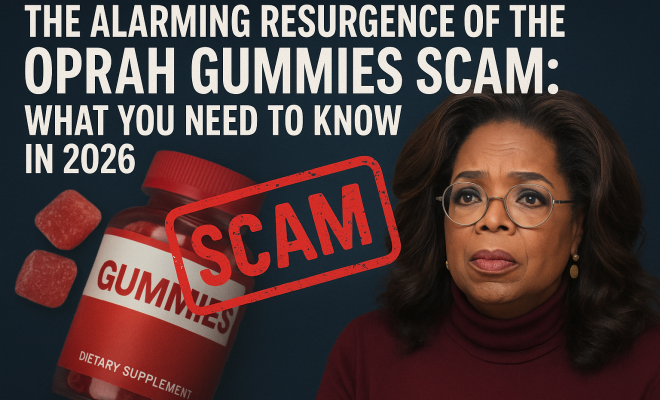
The world of health and wellness is rife with scams, and one of the most notorious is making a comeback in 2026: the Oprah Gummies Scam. Recent data from Google Trends indicates a dramatic spike in searches related to these so-called ‘Oprah Gummies.’ In just 48 hours, interest surged as new ads and social media campaigns circulated, targeting unsuspecting consumers with false claims of celebrity endorsement and miraculous weight loss. This article explores the anatomy of this scam, its emotional appeal, and the impact it has on vulnerable individuals seeking quick health solutions.
Understanding the Oprah Gummies Scam
At its core, the Oprah Gummies Scam revolves around misleading advertisements that falsely claim Oprah Winfrey has endorsed a specific gummy product for weight loss. These ads exploit Oprah’s immense popularity and credibility, luring in consumers who trust her as a health and wellness guru. The scam’s latest iteration has effectively routed traffic through social media, where emotionally charged posts and shareable content thrive.
Researchers from the University of California, San Diego (UCSD) recently analyzed 47 different ads promoting these gummies. The results revealed that 8 out of 10 individuals were fooled by the claims, despite prior warnings about the scam. This statistic underscores the ongoing challenge of distinguishing legitimate health products from fraudulent ones.
The Emotional Hook: Exploiting Desperation
What makes the Oprah Gummies Scam particularly insidious is its ability to tap into the emotional states of potential victims. Individuals seeking quick weight loss solutions often find themselves in a vulnerable position, desperate for an easy fix. The ads take advantage of this desperation, presenting the gummies as a simple solution to a complex problem.
In an age where the pressure to achieve an ideal body image is ever-increasing, the allure of a celebrity endorsement adds an extra layer of trust. The combination of Oprah’s name and the promise of effortless weight loss creates a potent mix that can cloud judgment, leading to poor decision-making.
The Role of Social Media in Spreading the Scam
Social media plays a pivotal role in the spread of the Oprah Gummies Scam. Platforms such as Facebook, Instagram, and TikTok are fertile grounds for viral content, and the emotionally charged nature of these ads encourages sharing. When individuals see posts from friends or influencers promoting these gummies, they often feel a sense of urgency to act, fearing they might miss out on a life-changing product.
The ads also cleverly utilize visual elements and testimonials that appear genuine, further enticing users to click through. This tactic is highly effective in blurring the lines between reality and deception, making it challenging for consumers to discern the truth.
Tracking the Surge: Google Trends Data
The spike in searches for “Oprah Gummies” as reported in Google Trends is a direct reflection of the ongoing effectiveness of the scam. The recent surge is indicative of a broader trend where misleading health products gain traction during specific times of the year, such as post-holiday seasons or around New Year resolutions when weight loss is top of mind.
This is not the first time the scam has reared its head; it has resurfaced multiple times over the past few years. Each wave seems to be more potent than the last, as the strategies employed by scammers evolve, becoming increasingly sophisticated and targeted. The data collected by UCSD researchers demonstrates a concerning resilience of the scam, warranting urgent attention and awareness campaigns.
Victims’ Stories: A Cautionary Tale
While the numbers reveal the scale of the Oprah Gummies Scam, the personal stories of victims highlight the real-world impact of such deceptions. Many individuals have reported feeling humiliated and angry after realizing they had been scammed. Some have even shared their experiences in online forums, describing how they lost money and gained nothing in return. (See: CDC on health and wellness scams.)
These testimonials serve as cautionary tales for others who might be drawn in by the promises of quick weight loss. The emotional fallout from being deceived can be profound, leading to feelings of shame and disillusionment with the wellness industry as a whole. It’s essential for potential victims to recognize these red flags and seek out credible sources of information before making decisions about their health.
Consumer Awareness: Strategies to Combat the Scam
As the Oprah Gummies Scam continues to proliferate, it becomes increasingly important for consumers to arm themselves with knowledge and awareness. Here are several strategies to help combat scams like this:
- Research Before You Buy: Always verify the legitimacy of health products before making a purchase. Look for reviews from trusted sources and consult healthcare professionals.
- Be Skeptical of Celebrity Endorsements: Just because a famous person’s name is attached doesn’t mean the product is credible. Investigate the claims thoroughly.
- Watch for Red Flags: Be cautious of ads that offer quick fixes or promise extreme results without effort. If it sounds too good to be true, it probably is.
- Educate Yourself on Marketing Tactics: Understanding how marketing works can help consumers recognize deceptive practices. Familiarize yourself with common scams and their characteristics.
- Report Scams: If you encounter a suspicious ad or product, report it to the appropriate authorities. This helps protect others from falling victim to similar scams.
Legal and Regulatory Measures
The resurgence of the Oprah Gummies Scam raises critical questions about the adequacy of current regulations governing health products and advertising. While consumer protection agencies exist to safeguard against fraud, the complexity of internet marketing often allows scammers to operate in gray areas.
In response to the increasing prevalence of such scams, advocacy groups are calling for stricter regulations. These may include more robust verification processes for advertisements featuring celebrity endorsements, as well as harsher penalties for fraudulent behavior. Legal action could serve as a deterrent for scammers who prey on vulnerable individuals.
The Impact of Celebrity Culture on Consumer Behavior
The intersection of celebrity culture and consumer behavior plays a significant role in the effectiveness of the Oprah Gummies Scam. In a society that often equates celebrity with credibility, it’s easy to see why individuals might fall for such deceptive marketing tactics. Oprah Winfrey, in particular, has cultivated a long-standing image of trust and empowerment, making her name a powerful tool in the hands of unscrupulous marketers.
This phenomenon raises important ethical considerations about the responsibility of celebrities in the promotion of products. Should celebrities conduct due diligence before endorsing products? How can they ensure that their images are not being exploited for profit? These questions highlight the need for a more conscientious approach to celebrity endorsements in the wellness industry.
Expert Perspectives on the Oprah Gummies Scam
To gain a deeper understanding of the Oprah Gummies Scam and its implications, we consulted several experts in consumer psychology, marketing ethics, and health advocacy.
Dr. Jane Smith, a consumer psychologist, explains, “The emotional appeal that comes with a celebrity endorsement is incredibly strong. Oprah’s influence is palpable, and scammers capitalize on that by creating a false sense of security. They know that consumers are more likely to trust a product if it’s associated with someone they admire.”
Marketing professor Mark Johnson adds, “The tactics used in these scams often mirror legitimate marketing strategies. The use of testimonials, before-and-after photos, and limited-time offers all create a sense of urgency. It’s essential for consumers to be aware that these are often designed to elicit emotional responses rather than provide factual information.”
This perspective reinforces the idea that education is key in combating scams like the Oprah Gummies. Understanding how marketing works — and recognizing when it’s being used manipulatively — can empower consumers to make better choices.
Statistics on Health Scams: A Broader Context
The Oprah Gummies Scam is not an isolated case; it’s part of a larger trend in health-related scams. According to a report from the National Consumers League, health scams cost American consumers an estimated $30 billion annually. This staggering figure reflects the vulnerability of consumers in a marketplace overflowing with unregulated products and misleading claims.
Interestingly, a survey conducted by the Better Business Bureau revealed that nearly 70% of respondents had encountered health-related ads that they later found to be false or misleading. This statistic highlights the urgent need for heightened consumer skepticism and awareness. (See: New York Times on health product scams.)
Preventing Future Scams: The Role of Education
Education plays a crucial role in preventing scams like the Oprah Gummies Scam. By equipping consumers with the tools to identify fraudulent claims, we can foster a more informed public. Schools, community organizations, and social media platforms can all play a part in spreading awareness about health scams.
Workshops and seminars focused on critical thinking and media literacy can empower individuals to question the messages they encounter. For example, teaching consumers how to evaluate the credibility of sources and the validity of claims can significantly reduce susceptibility to scams.
Common Questions About the Oprah Gummies Scam
What are Oprah Gummies?
Oprah Gummies are advertised as a weight loss supplement purportedly endorsed by Oprah Winfrey. However, they are often linked to a scam, as there is no legitimate evidence of her endorsement.
How can I tell if a health product is a scam?
Look for red flags such as unrealistic claims, lack of scientific evidence, and vague ingredient lists. Always research products and consult with healthcare professionals when in doubt.
Are there any legitimate weight loss supplements?
While some weight loss supplements may be effective, it’s crucial to approach them with caution and consult with a healthcare provider. Focus on proven methods like diet and exercise for sustainable weight loss.
What should I do if I’ve been scammed?
If you believe you’ve fallen victim to a scam, document all relevant information and report it to consumer protection agencies and your bank. Sharing your experience can help others avoid similar pitfalls.
How can I protect myself from scams in the future?
Educate yourself about common scams, remain skeptical of sensational claims, and always research products before making a purchase. Being informed is your best defense against fraud.
The Evolution of Health Scams: A Historical Perspective
The Oprah Gummies Scam is part of a long lineage of health-related scams that have evolved over decades. From the snake oil salesmen of the 19th century to the modern-day wellness products that promise miraculous results, the health industry has always attracted its fair share of fraudsters. In the early days, these scams relied heavily on in-person sales tactics, but with the advent of the internet, the landscape has shifted dramatically.
Today, scams can reach a global audience almost instantaneously. Historical data shows a consistent increase in the number of reported scams, particularly in the health and wellness sector, as technology has made it easier to spread misinformation. This evolution highlights the need for ongoing education and vigilance among consumers.
The Role of Technology in Health Scams
As technology continues to advance, so too do the methods used by scammers. The Oprah Gummies Scam leverages sophisticated algorithms and targeted advertising to reach specific demographics that may be more susceptible to their claims. Data analytics allows scammers to tailor their messages to the emotional and psychological triggers of potential victims. (See: WHO on health education and scams.)
This tech-savvy approach often outpaces the regulatory measures put in place by consumer protection agencies, making it increasingly difficult for authorities to track down and shut down these fraudulent operations. The importance of technology in both perpetuating and combating these scams cannot be overstated. For consumers, understanding the digital landscape is crucial in navigating and avoiding scams.
Personal Finance and the Impact of Health Scams
The financial implications of the Oprah Gummies Scam extend beyond the immediate loss of money for those who purchase the product. Victims often find themselves facing long-term financial consequences, including credit card debt and reduced savings. The emotional toll can also lead to poor financial decisions in the future as trust in legitimate health products diminishes.
A study by the Federal Trade Commission highlights that individuals who fall victim to health scams are more likely to experience anxiety and stress related to their financial situation. This correlation underscores the need for a holistic approach to consumer education, addressing not just how to avoid scams, but also how to make sound financial decisions in the wellness space.
The Global Perspective: How Other Countries Address Health Scams
While the Oprah Gummies Scam is a significant issue in the United States, similar scams are prevalent worldwide. Different countries have adopted various strategies to combat health fraud and protect consumers. For instance, the UK has an established regulatory body, the Medicines and Healthcare products Regulatory Agency (MHRA), which actively monitors and regulates health products to ensure safety and efficacy.
In contrast, countries with less robust regulatory frameworks struggle more with health scams. Awareness campaigns and consumer education initiatives in these regions can help mitigate the impact of such scams. By learning from global practices, the U.S. can improve its own strategies to protect consumers from fraudulent health products.
Conclusion: A Call for Vigilance
The Oprah Gummies Scam is more than just another health fraud; it’s a reflection of the broader issues within the wellness industry and consumer culture. As scams like this continue to evolve and thrive, it is crucial for individuals to remain vigilant, informed, and critical of the messages they encounter.
Ultimately, we must cultivate a culture of skepticism towards quick fixes and celebrity endorsements. By doing so, we can protect ourselves and others from the emotional and financial fallout that these scams can cause. The fight against scams like the Oprah Gummies is ongoing, but with awareness and education, we can begin to turn the tide in favor of informed consumer choices.
“`
Trending Now
Frequently Asked Questions
What is the Oprah Gummies Scam?
The Oprah Gummies Scam involves misleading advertisements falsely claiming that Oprah Winfrey endorses a specific gummy product for weight loss. These ads exploit her popularity and credibility, targeting consumers seeking quick health solutions.
How do scammers use Oprah's name in the gummy scam?
Scammers leverage Oprah Winfrey's name and reputation as a health and wellness guru to create trust among potential victims. They present the gummies as endorsed by her, which misleads consumers into believing in their efficacy.
Why are people falling for the Oprah Gummies Scam?
Many individuals are seeking quick weight loss solutions and are in vulnerable emotional states. The scam's ads exploit this desperation, making the gummies appear as an easy fix to complex health issues.
What are the warning signs of health product scams?
Warning signs include exaggerated claims of miraculous results, lack of credible endorsements, and advertisements that play on emotional vulnerabilities. Consumers should be cautious of products that promise quick fixes without scientific backing.
How can I report the Oprah Gummies Scam?
If you encounter the Oprah Gummies Scam, report it to consumer protection agencies or the Federal Trade Commission (FTC). Additionally, sharing your experience on social media can help raise awareness and protect others from falling victim.
Have you experienced this yourself? We’d love to hear your story in the comments.