Tesla’s China Megapack Factory Halts Production Amid Supply Chain Crisis
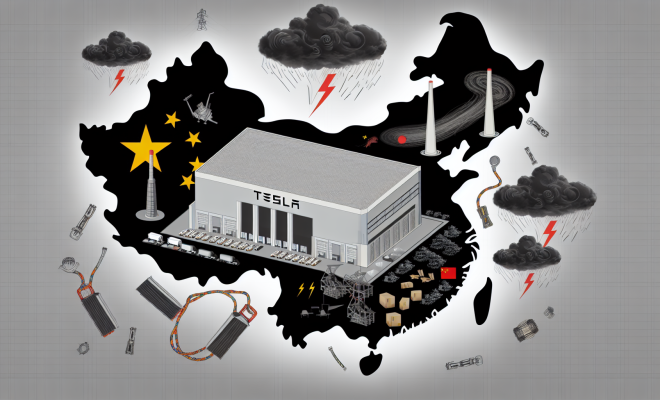
Tesla is facing significant challenges at its new Megapack battery factory in Shanghai, where partial operations have been halted due to shortages of rare earth minerals. This disruption comes as a result of recent export restrictions imposed by the United States, which have impacted the availability of critical materials needed for battery production.
Overview of the Megapack Facility
Located in the bustling metropolis of Shanghai, Tesla’s Megapack factory is designed to produce an impressive 40 GWh of energy storage solutions annually. This facility represents a collaborative effort between Tesla’s CEO Elon Musk and its Chinese partner, CATL (Contemporary Amperex Technology Co., Limited), a leading battery manufacturer.
Impact of Supply Chain Disruptions
The recent supply chain issues have raised concerns about the factory’s ability to meet production targets. Prior to the disruption, reports indicated that approximately 500 Megapack units were ready for deployment. However, the ongoing geopolitical tensions between the United States and China could potentially delay the release of these units to the market.
- Production Capacity: 40 GWh annually
- Units Ready Before Disruption: 500 Megapacks
- Projected Revenue Loss: $2 billion in Q2
- Global Impact: Potential effects on 20% of worldwide grid storage deployments
Geopolitical Factors at Play
The current predicament stems from escalating trade tensions between the US and China. Recent export restrictions from the US have targeted several rare earth minerals, which are essential for the production of batteries. These minerals, crucial for energy storage solutions, have become increasingly difficult to procure, leading to significant supply chain disruptions for Tesla’s operations.
As one of the key players in the electric vehicle (EV) and energy storage market, Tesla’s ability to navigate these challenges will be closely monitored. Analysts have voiced concerns that the disruptions could have a lasting impact on the company’s financial performance, particularly in the second quarter of the fiscal year.
Financial Implications for Tesla
The anticipated revenue hit of $2 billion in Q2 represents a substantial portion of Tesla’s overall earnings. Such a decline could affect investor confidence and potentially impact stock prices. The company had already been navigating a challenging economic landscape, and these supply chain issues have only compounded the difficulties.
Analysts are particularly worried about the broader implications of these disruptions. With Tesla’s Megapack solutions playing a pivotal role in global grid storage deployments, delays in production could hinder advancements in renewable energy solutions worldwide. It is estimated that these disruptions could affect 20% of global grid storage deployments, raising alarms about energy storage capabilities in various markets.
Future Prospects Amid Challenges
Despite the challenges, Tesla’s commitment to expanding its battery production capabilities remains strong. The company has previously demonstrated resilience in overcoming supply chain challenges, and it is likely that Tesla will seek alternative sources for rare earth minerals or explore new partnerships to mitigate the impact of geopolitical tensions.
Furthermore, Tesla’s collaboration with CATL could provide a pathway for navigating these disruptions. CATL is not only a leader in battery manufacturing but also has significant experience in managing supply chains within the Chinese market. Such collaboration may enable faster recovery and adaptation to the evolving landscape.
Long-Term Implications for the Energy Sector
The current situation underscores the vulnerabilities and complexities of the energy storage market, especially as it is increasingly intertwined with global trade dynamics. As countries seek to transition to renewable energy solutions, the demand for reliable energy storage systems will only continue to grow.
In light of these developments, it is critical for companies, policymakers, and stakeholders in the energy sector to consider the implications of trade policies on the availability of essential materials. Developing a more resilient supply chain that can withstand geopolitical tensions will be crucial for the sustainability of the energy storage industry.
Conclusion
Tesla’s Megapack factory in Shanghai is currently facing significant operational challenges due to supply chain disruptions linked to US export restrictions. As the company navigates these issues, the impact on production, revenue, and global energy storage deployments remains to be seen. The situation highlights the importance of strategic resource management in the rapidly evolving energy sector and the need for companies to adapt to an increasingly complex geopolitical landscape.