Empowering Farmers: Rural Minds Launches Mental Health Resilience Program
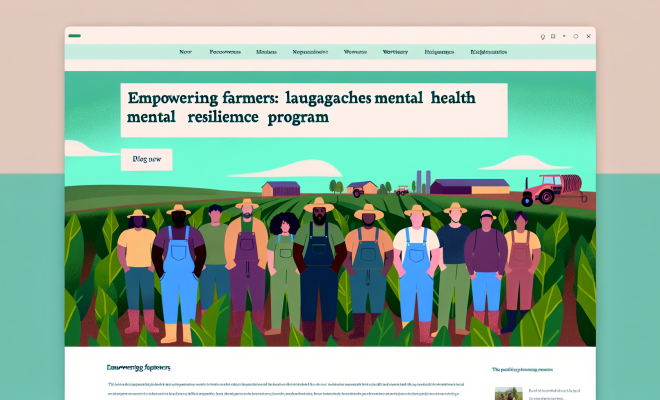
In a groundbreaking move to support the mental health of agricultural communities, Rural Minds, a nonprofit organization dedicated to enhancing mental well-being in rural areas, has launched the Farmer Mental Health Resilience Program. This initiative seeks to connect farmers and their families with essential mental health resources, emphasizing the significance of wellness and providing tools to foster open discussions about mental health.
The Unique Mental Health Challenges Faced by Farmers
Farming is often romanticized in media and culture, but the reality is starkly different. Farmers encounter a unique set of pressures that can lead to significant mental health challenges. According to recent statistics, individuals in the agricultural sector are 3.5 times more likely to die by suicide than those in other professions. These alarming figures are attributed to a combination of factors, including:
- Self-Sufficiency Culture: Many farmers pride themselves on their ability to manage their own affairs, which can create a stigma around seeking help.
- Genetic Links: There is evidence suggesting that certain mental health conditions may have a genetic component, further complicating the issue.
- Isolation: Many farmers work in remote locations, leading to feelings of loneliness and disconnection from community support systems.
Normalizing Conversations About Mental Health
The Farmer Mental Health Resilience Program aims to tackle these issues head-on by normalizing conversations surrounding mental health. Carol Anderson, a key figure in the Rural Minds initiative, emphasizes that opening the dialogue is crucial for reducing stigma. “We want to create an environment where farmers can talk about their mental health without fear of judgment,” she states.
To achieve this, the program offers various resources, including:
- Wellness Importance: Educating farmers about the significance of mental health in their overall well-being.
- Understanding Illness Types: Providing information on different mental health conditions and symptoms that may affect farmers.
- Conversation Starters: Equipping individuals with tools to initiate discussions about mental health with peers, family members, and support networks.
Building Community Support Systems
One of the program’s core objectives is to reduce isolation among farmers. By fostering community support systems, Rural Minds aims to create a safety net for individuals facing mental health challenges. The program encourages the formation of local support groups where farmers can share their experiences and coping strategies.
In addition to peer support, the program offers access to mental health professionals who specialize in agricultural issues. This connection is vital for ensuring that farmers receive the appropriate care tailored to their unique circumstances.
Impact on Rural Mental Health Outcomes
The Farmer Mental Health Resilience Program represents a significant step forward in addressing the mental health needs of farmers. By focusing on the specific challenges they face, the initiative aims to improve overall mental health outcomes in rural areas. The hope is that as more farmers engage in conversations about mental health, the stigma surrounding these issues will diminish, leading to a healthier, more resilient agricultural community.
As Rural Minds continues to advocate for the mental well-being of farmers, the organization invites community members to participate in the program and share their stories. By coming together, rural communities can create an environment where mental health is prioritized, and individuals feel empowered to seek help when needed.
Conclusion
The launch of the Farmer Mental Health Resilience Program marks a pivotal moment in the fight against mental health stigma in the agricultural sector. By providing resources, fostering community support, and encouraging open dialogue, Rural Minds is taking essential steps to ensure that farmers and their families receive the mental health support they deserve. As the initiative gains traction, it has the potential to transform mental health outcomes in rural communities, paving the way for a more supportive and understanding environment for all those involved in agriculture.