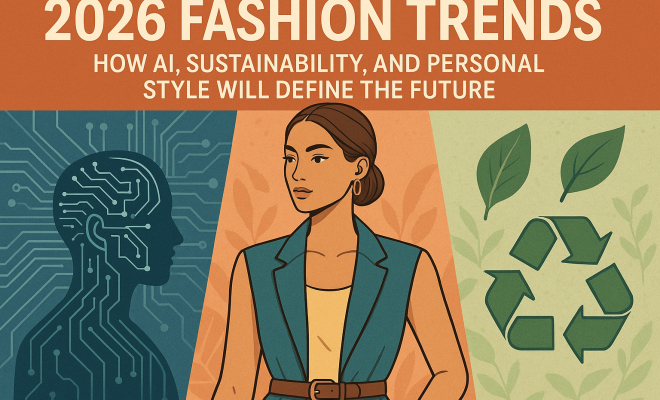
2026 Fashion Trends: AI, Sustainability & Personal Style
“`html
The fashion landscape is continuously evolving, and as we look towards 2026, the emerging trends reveal a fascinating interplay of technology, sustainability, and individual expression. The 2026 fashion trends are set to redefine how we perceive style, with a significant focus on personal style, mindful curation, and longevity in clothing. This article delves deep into the future of fashion, exploring how these elements shape our wardrobes and influence our purchasing decisions.
The Rise of Individualism in Fashion
As we navigate through the complexities of modern life, individuality has become one of the top priorities for consumers. In 2026, fashion will reflect this shift towards personal expression more than ever. Shoppers are increasingly seeking to curate wardrobes that resonate with their unique identities rather than conforming to mainstream trends.
Fashion is not just about clothing; it’s a statement of who we are. This is evident in the rise of personalized styling services that leverage technology to help consumers find pieces that match their individuality. By 2026, we can expect a greater emphasis on bespoke clothing and customizable accessories that allow individuals to showcase their distinctive styles.
One poignant example is the growing trend of DIY fashion. Consumers are increasingly turning to platforms that allow them to create their own garments, often incorporating sustainable practices by upcycling existing textiles. This not only fosters creativity but also reinforces the idea of individuality, as each piece becomes a unique representation of the creator’s personal taste and style.
Mindful Curation: The New Approach to Shopping
With the increasing awareness of the impacts of fast fashion on the environment, consumers are shifting towards mindful curation when it comes to their wardrobes. In 2026, a more intentional approach to shopping will be prevalent, emphasizing quality over quantity.
This mindset encourages consumers to invest in pieces that are versatile and durable. Fashion enthusiasts will prioritize timelessness and functionality, resulting in a wardrobe that is both stylish and sustainable. The concept of a capsule wardrobe—a collection of essential items that can be mixed and matched—will gain further traction as a practical solution to conscious consumption.
Moreover, fashion rental services will gain increasing popularity as they offer a sustainable alternative to traditional shopping methods. By renting high-quality, designer pieces for special occasions, consumers can enjoy luxury without contributing to the waste typically associated with fast fashion. This trend not only allows for greater variety in one’s wardrobe but also aligns with a growing desire for sustainable choices.
The Impact of Sustainability on Fashion Choices
Environmental consciousness is no longer an afterthought in the world of fashion. As we approach 2026, sustainability will be at the forefront of consumers’ minds when making purchasing decisions. Brands that adopt eco-friendly materials, ethical manufacturing practices, and transparent supply chains will resonate more with consumers.
According to recent studies, approximately 66% of global consumers are willing to pay more for sustainable brands. This statistic underscores the growing demand for products that align with personal values, particularly in light of climate change discussions. Fashion brands that prioritize sustainability will not only attract environmentally-conscious consumers but also build long-term loyalty.
Additionally, innovative materials such as lab-grown leather and recycled polyester will become more commonplace. These advancements not only reduce the environmental impact of fashion production but also appeal to a consumer base that seeks both style and ethics in their clothing choices. As brands adopt these materials, they will also increasingly communicate their sustainability narratives, helping consumers make more informed decisions.
AI-Driven Commerce: The Future of Fashion Shopping
The integration of artificial intelligence (AI) in the fashion industry is set to transform how consumers shop and interact with brands. By 2026, AI will play a crucial role in personalizing the shopping experience, providing tailored recommendations based on individual preferences and past purchases.
AI algorithms will analyze consumer behavior, suggesting styles and cuts that fit personal aesthetics. Virtual fitting rooms and augmented reality applications will further enhance the shopping experience, allowing consumers to visualize how garments will look without the hassle of trying them on physically. This technology-driven approach not only improves convenience but also significantly reduces return rates. (See: sustainability in health and fashion.)
Moreover, AI will allow for more efficient inventory management, reducing waste associated with overproduction. By predicting trends and consumer demand with greater accuracy, brands can minimize unsold stock, aligning with the sustainability goals discussed earlier. This synergy between technology and environmental responsibility will mark a significant shift in fashion commerce.
Major Sporting Events and Their Influence on Fashion
Global sporting events, such as the Olympics and the World Cup, have long influenced fashion trends. As we move towards 2026, these events will continue to shape styles and consumer behaviors. Athleisure, a blend of athletic and leisurewear, will remain a dominant trend as individuals seek comfort alongside style.
The fashion industry will see collaborations between high-fashion brands and sportswear companies, creating pieces that merge performance with aesthetic appeal. This trend aligns with the increasing popularity of fitness and wellness, further driving the demand for versatile activewear that transitions seamlessly from the gym to everyday life.
Moreover, the cultural significance of these events often transcends sports. For instance, the attire worn during the Olympics often sets global fashion trends, influencing everything from casual wear to haute couture. The visibility of athletes and their personal styles will continue to inspire and drive consumer behavior, making sporting events an essential part of fashion forecasting for 2026.
The Shift Away from Fast Fashion
As consciousness around sustainable practices grows, the fast fashion model is under scrutiny. By 2026, more consumers will gravitate towards brands that offer quality and ethical production over the instant gratification of cheap trends. This shift is indicative of a broader cultural change, moving away from disposable fashion towards a more thoughtful wardrobe.
Brands that refuse to adapt to this shift could find themselves struggling for relevance. The future will favor those who prioritize craftsmanship, durability, and ethical standards in their production processes. The impact of this shift is already evident as major retailers respond by integrating sustainable practices into their business models.
Consumers will also demand more accountability from brands regarding their practices. The rise of social media has empowered customers to voice their opinions and experiences, making transparency non-negotiable. Brands that can demonstrate a commitment to ethical labor practices and environmental stewardship will distinguish themselves in the crowded market.
Exploring Fashion Tech: Innovations on the Horizon
Technology is set to revolutionize the fashion industry as we approach 2026. Innovations in materials, such as biodegradable fabrics and digitally printed textiles, will promote sustainability while offering unique aesthetic possibilities. These advancements will allow designers to push the boundaries of creativity while also addressing pressing environmental issues.
Additionally, the use of blockchain technology for supply chain transparency will become more common, enabling consumers to trace the origins of their clothing. This level of transparency will empower shoppers to make informed choices about the brands they support, further enhancing the push for ethical fashion.
These technological advancements will also extend to the design process itself. The use of 3D printing can streamline production, reduce waste, and allow for more complex designs that were previously unachievable. This fusion of technology and fashion will create a new era of innovation, one that encourages experimentation and fresh ideas in style.
Fashion Forecasting: What Lies Ahead
Fashion forecasting will continue to play a significant role in shaping the 2026 fashion trends. Analysts and trend forecasters will draw on a multitude of data sources, including social media analytics, consumer behavior studies, and cultural movements, to predict future styles. This data-driven approach will help brands stay ahead of the curve, adapting their offerings to meet evolving consumer desires.
As trends emerge, the industry will witness the fusion of global influences—where streetwear meets luxury, and traditional craftsmanship is reimagined through modern techniques. The boundaries of fashion will blur, leading to a rich tapestry of influences that celebrate diversity and inclusivity.
Furthermore, cultural events and social movements will also play a pivotal role in shaping future trends. As society grapples with complex issues, fashion will respond by either reflecting or challenging these narratives, thereby becoming a powerful medium for expression and dialogue. (See: sustainability in the fashion industry.)
Recommendations for Adapting to 2026 Fashion Trends
As we prepare for the fashion landscape of 2026, consumers can adopt certain strategies to align their wardrobes with emerging trends. Here are some actionable tips:
- Invest in Key Pieces: Focus on acquiring timeless items that can be worn across seasons and occasions. Look for versatile basics that can be easily paired with statement accessories.
- Embrace Personalization: Utilize technologies that offer tailored shopping experiences. Consider apps that provide AI-driven recommendations based on your style preferences.
- Choose Sustainable Brands: Research brands committed to sustainability. Opt for those that use eco-friendly materials and ethical manufacturing practices.
- Stay Informed: Keep an eye on upcoming fashion shows, collections, and cultural events that may influence trends. Being aware of the shifting landscape allows you to make informed choices.
- Curate Thoughtfully: Take a minimalist approach to your wardrobe. Consider creating a capsule wardrobe that emphasizes quality and function over quantity.
- Participate in Online Communities: Join forums or social media groups focused on sustainable fashion. Sharing tips and insights can enhance your knowledge and help you make better choices.
- Experiment with Layering: As personal expression takes center stage, don’t be afraid to mix styles, colors, and textures. Layering not only adds depth to outfits but also allows for creativity in personal style.
- Support Local Artists: Look for local artisans or small businesses that offer unique, handmade pieces. Supporting local talent not only promotes sustainability but also adds distinctiveness to your wardrobe.
Frequently Asked Questions about 2026 Fashion Trends
What are the key themes expected to dominate the 2026 fashion scene?
The key themes include individualism, sustainability, technology integration, and the impact of cultural events on fashion. Consumers are expected to prioritize personal expression and ethical consumption more than ever.
Will sustainable fashion be more expensive in 2026?
While sustainable fashion has often been viewed as more expensive, advancements in technology and increased consumer demand may lead to more affordable options. Brands will likely innovate to provide cost-effective, eco-friendly choices that don’t compromise on style.
How can I stay updated on emerging fashion trends?
Follow fashion blogs, influencers, and social media channels that focus on sustainability and innovation. Additionally, subscribing to fashion magazines and participating in online communities can provide insights into upcoming trends.
What role does technology play in sustainable fashion?
Technology plays a critical role in sustainable fashion by enabling brands to create eco-friendly materials, optimize production processes, and enhance consumer transparency through blockchain. It allows for innovative solutions that align style with ethical practices.
How will the fashion industry respond to the shift away from fast fashion?
The fashion industry will likely adapt by focusing more on quality, sustainability, and ethical practices. Brands that thrive will be those that embrace transparent supply chains, invest in craftsmanship, and offer timeless pieces rather than fleeting trends.
Exploring Regional Trends in 2026 Fashion
As fashion continues to evolve globally, regional trends will play an essential role in shaping the overall landscape of the 2026 fashion trends. Different cultures and regions will influence styles, materials, and the types of clothing that gain popularity.
For example, in Asia, the blending of traditional garments with contemporary styles will likely gain traction, as designers seek to honor their cultural heritage while appealing to modern sensibilities. In Africa, vibrant prints and sustainable practices will dominate, as local artisans create garments that tell stories and support their communities.
In Europe, the revival of artisanal craftsmanship is set to challenge fast fashion, as consumers increasingly value handmade, unique pieces. These regional distinctions will not only enrich the fashion dialogue but also encourage global collaborations that celebrate diversity.
The Role of Influencers in Shaping Fashion Trends
As we approach 2026, the influence of social media and digital platforms on fashion trends cannot be overstated. Influencers, who often act as trendsetters, will continue to shape consumer behavior by showcasing unique styles, sustainable practices, and ethical brands.
Brands will increasingly collaborate with micro-influencers who appeal to niche markets, allowing for more authentic connections with audiences. These partnerships will not only help brands reach targeted demographics but also provide a platform for diverse voices in fashion. (See: Harvard University research on individualism.)
Moreover, influencer-led movements advocating for sustainability and ethical fashion can significantly impact public awareness and drive meaningful change across the industry, paving the way for more responsible consumption practices.
Gender Fluidity in Fashion
The increasing acknowledgement and acceptance of gender fluidity in society will translate into significant shifts in fashion trends by 2026. The “gender-neutral” label will grow, leading to the emergence of collections that cater to individuals regardless of gender.
Fashion houses will launch unisex lines that emphasize comfort, versatility, and inclusivity—elements that resonate with a broader audience. The traditional boundaries of menswear and womenswear will continue to blur, empowering consumers to express their identity through clothing without constraints.
Innovative designers will take this concept further, creating garments that can be styled in multiple ways, allowing consumers to adapt their looks based on mood, occasion, or current trends.
The Future of Fashion Events
As we look towards 2026, the traditional format of fashion weeks and industry events will experience a transformation. With the rise of digital platforms, virtual fashion shows will become more prevalent, allowing for a wider audience to engage with collections in real time.
Hybrid events combining physical and digital experiences will allow brands to showcase their work while also catering to the growing demand for accessibility and inclusivity in the fashion space. This shift will encourage sustainability by reducing the carbon footprint associated with travel and physical displays.
Moreover, fashion events will increasingly focus on sustainability and innovation, highlighting eco-friendly practices and cutting-edge technologies that align with the values of modern consumers.
As we approach 2026, the fashion industry stands on the brink of transformation. With the rise of individuality, sustainability, and innovative technology, the trends emerging in the coming years reflect a deeper cultural shift towards mindful consumption and personal expression. By embracing these changes, consumers can cultivate a wardrobe that not only looks good but also aligns with their values and lifestyle.
“`
Trending Now
Frequently Asked Questions
What are the fashion trends for 2026?
The fashion trends for 2026 will focus on individualism, sustainability, and technology. Consumers will prioritize personal expression with bespoke clothing and customizable accessories, while also embracing mindful shopping practices that emphasize quality over quantity.
How is AI influencing fashion in 2026?
AI is set to play a significant role in 2026 fashion by providing personalized styling services. These services help consumers discover pieces that align with their unique identities, enhancing the overall shopping experience and promoting individuality.
What does mindful curation mean in fashion?
Mindful curation in fashion refers to a deliberate approach to shopping where consumers focus on quality items rather than quantity. This trend encourages individuals to build wardrobes that reflect their personal style while being mindful of the environmental impacts of fast fashion.
Why is sustainability important in 2026 fashion?
Sustainability is crucial in 2026 fashion as consumers become more aware of the environmental effects of fast fashion. The trend emphasizes eco-friendly practices, such as upcycling and using sustainable materials, promoting longevity and reducing waste in wardrobes.
What role does individuality play in future fashion trends?
Individuality is central to future fashion trends, with a growing focus on personal expression. In 2026, consumers will seek unique garments that reflect their identities, leading to the rise of DIY fashion and personalized styling options that cater to diverse tastes.
What’s your take on this? Share your thoughts in the comments below — we read every one.