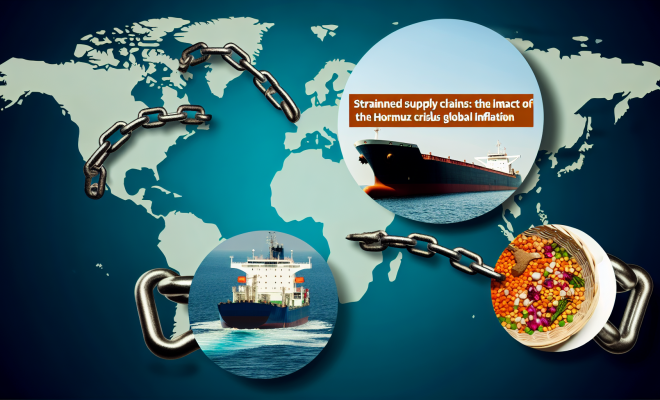
Strained Supply Chains: The Impact of the Hormuz Crisis on Global Food Inflation
The Hormuz Crisis and Its Global Implications
The ongoing conflict in the Middle East, particularly the escalating tensions surrounding the Strait of Hormuz, has ignited fears of a global economic downturn. The International Monetary Fund (IMF) and the Food and Agriculture Organization (FAO) have sounded alarms about the potential for a significant recession fueled by food inflation, which is projected to exceed 6% in the coming months.
Strait of Hormuz: A Critical Economic Junction
The Strait of Hormuz, a vital waterway through which a significant portion of the world’s oil supply passes, has become a flashpoint of geopolitical tensions. Recent US blockades on Iranian ports have exacerbated the situation, leading to fears of supply chain disruptions that could extend far beyond the Middle East.
Rising Fuel Prices and Consumer Sentiment
As fuel prices continue to soar, consumer confidence around the globe is taking a hit. Australia, for instance, has recorded a staggering 12.5% drop in consumer sentiment in April, marking the most significant monthly decline since the energy crisis of 2022. This downturn reflects broader concerns about rising costs and economic instability, which are likely to have ripple effects on consumer behavior and spending patterns.
Global Economic Growth Forecasts Slashed
In light of these developments, growth forecasts for the global economy have been drastically revised downward. The IMF has adjusted its growth projections to just 2% for both this year and the next, a stark contrast to earlier expectations. This decline is indicative of the interconnectedness of global markets, where instability in one region can trigger widespread repercussions.
Food and Beverage Sector Under Duress
The food and beverage sector is particularly vulnerable to these economic shocks. With rising inflation rates, consumers may find themselves paying significantly more for essential goods. The FAO’s warning about food inflation exceeding 6% signals tougher times ahead for households already grappling with increased living costs.
- Inflation Rate: Expected to surpass 6% globally.
- Consumer Confidence: Australia’s sentiment plunged by 12.5% in April.
- Global Growth Forecast: Slashed to 2% for the upcoming years.
The Chain Reaction: From Supply to Consumption
The impact of the Hormuz crisis extends beyond immediate fuel price hikes. With supply chains already strained by previous disruptions, the current geopolitical climate threatens to exacerbate existing vulnerabilities. Delays in shipping and increased transportation costs are anticipated, which could lead to shortages and further price increases in the food and beverage sector.
Effects on Food Prices and Availability
As supply chains become increasingly fragile, food price inflation may lead to more than just higher grocery bills for consumers. The potential for scarcity in essential items could trigger panic buying, further straining inventory levels and driving prices even higher. Industries that rely heavily on imported goods, including many food and beverage manufacturers, will likely face significant challenges.
Strategic Responses from Governments and Industries
In response to the crisis, governments and businesses are scrambling to devise strategies to mitigate the impact of rising prices and supply disruptions. Some countries may seek to diversify their supply sources, while others may implement temporary price controls to protect consumers. However, these measures may only offer short-term relief.
The Role of International Cooperation
International cooperation will be crucial in navigating the challenges posed by the Hormuz crisis. Collaborative efforts to ensure the stability of supply chains and the flow of goods can help to alleviate some of the pressures on the global economy. Additionally, financial support for affected industries may be necessary to prevent widespread job losses and company closures.
Looking Ahead: The Future of Global Food Security
The consequences of the Hormuz crisis are likely to be felt for the foreseeable future. As inflation rates rise and consumer confidence wanes, the food and beverage sector must adapt to a rapidly changing economic landscape. Ensuring food security will require innovative strategies and resilience from both producers and consumers.
In conclusion, the situation at the Strait of Hormuz is more than a regional conflict; it poses a significant threat to global economic stability and food security. With inflation on the rise and growth forecasts dimming, the world watches closely as the crisis unfolds, hoping for swift resolutions that can stabilize markets and restore confidence.