The Tech Edvocate

Top Menu

  • Advertisement
  • Apps
  • Home Page
  • Home Page Five (No Sidebar)
  • Home Page Four
  • Home Page Three
  • Home Page Two
  • Home Tech2
  • Icons [No Sidebar]
  • Left Sidbear Page
  • Lynch Educational Consulting
  • My Account
  • My Speaking Page
  • Newsletter Sign Up Confirmation
  • Newsletter Unsubscription
  • Our Brands
  • Page Example
  • Privacy Policy
  • Protected Content
  • Register
  • Request a Product Review
  • Shop
  • Shortcodes Examples
  • Signup
  • Start Here
    • Governance
    • Careers
    • Contact Us
  • Terms and Conditions
  • The Edvocate
  • The Tech Edvocate Product Guide
  • Topics
  • Write For Us
  • Advertise

Main Menu

  • Start Here
    • Our Brands
    • Governance
      • Lynch Educational Consulting, LLC.
      • Dr. Lynch’s Personal Website
      • Careers
    • Write For Us
    • The Tech Edvocate Product Guide
    • Contact Us
    • Books
    • Edupedia
    • Post a Job
    • The Edvocate Podcast
    • Terms and Conditions
    • Privacy Policy
  • Topics
    • Assistive Technology
    • Child Development Tech
    • Early Childhood & K-12 EdTech
    • EdTech Futures
    • EdTech News
    • EdTech Policy & Reform
    • EdTech Startups & Businesses
    • Higher Education EdTech
    • Online Learning & eLearning
    • Parent & Family Tech
    • Personalized Learning
    • Product Reviews
  • Advertise
  • Tech Edvocate Awards
  • The Edvocate
  • Pedagogue
  • School Ratings

logo

The Tech Edvocate

  • Start Here
    • Our Brands
    • Governance
      • Lynch Educational Consulting, LLC.
      • Dr. Lynch’s Personal Website
        • My Speaking Page
      • Careers
    • Write For Us
    • The Tech Edvocate Product Guide
    • Contact Us
    • Books
    • Edupedia
    • Post a Job
    • The Edvocate Podcast
    • Terms and Conditions
    • Privacy Policy
  • Topics
    • Assistive Technology
    • Child Development Tech
    • Early Childhood & K-12 EdTech
    • EdTech Futures
    • EdTech News
    • EdTech Policy & Reform
    • EdTech Startups & Businesses
    • Higher Education EdTech
    • Online Learning & eLearning
    • Parent & Family Tech
    • Personalized Learning
    • Product Reviews
  • Advertise
  • Tech Edvocate Awards
  • The Edvocate
  • Pedagogue
  • School Ratings
  • BOMBSHELL: Your ‘Natural’ Weight Loss Pills Are Hiding THIS Deadly Secret

  • Critical: Your Smart Home is a Goldmine for Data Thieves – And You’re Helping Them

  • Revealed: The $8 Billion Secret Behind Controversial Flock Traffic Cameras

  • This One Thing Is Killing PlayStation Plus in September 2026

  • This Crucial AI Debate Just Got an Unprecedented Endorsement

  • The Brutal Truth: Why Public Service Loan Forgiveness Fails Most Applicants

  • Catastrophic: Why English-Only Head Start Could Devastate Young Minds

  • This Crucial AI Cybersecurity Flaw Just Got Exposed by Its Own Kind

  • This One Tax Could Fundamentally Reshape Our Future with Self-Driving Cars

  • Unprecedented Showdown: Tesla’s Cybercab Faces Make-or-Break Deadline for NHTSA Approval

Tech News
Home›Tech News›Hormuz Crisis Fuels Global Food Inflation & Recession Fears

Hormuz Crisis Fuels Global Food Inflation & Recession Fears
By Matthew Lynch
April 15, 2026
0
Spread the love

The Hormuz Crisis and Its Global Implications

The ongoing conflict in the Middle East, particularly the escalating tensions surrounding the Strait of Hormuz, has ignited fears of a global economic downturn. The International Monetary Fund (IMF) and the Food and Agriculture Organization (FAO) have sounded alarms about the potential for a significant recession fueled by food inflation, which is projected to exceed 6% in the coming months.

Strait of Hormuz: A Critical Economic Junction

The Strait of Hormuz, a vital waterway through which a significant portion of the world’s oil supply passes, has become a flashpoint of geopolitical tensions. Recent US blockades on Iranian ports have exacerbated the situation, leading to fears of supply chain disruptions that could extend far beyond the Middle East.

Rising Fuel Prices and Consumer Sentiment

As fuel prices continue to soar, consumer confidence around the globe is taking a hit. Australia, for instance, has recorded a staggering 12.5% drop in consumer sentiment in April, marking the most significant monthly decline since the energy crisis of 2022. This downturn reflects broader concerns about rising costs and economic instability, which are likely to have ripple effects on consumer behavior and spending patterns.

Global Economic Growth Forecasts Slashed

In light of these developments, growth forecasts for the global economy have been drastically revised downward. The IMF has adjusted its growth projections to just 2% for both this year and the next, a stark contrast to earlier expectations. This decline is indicative of the interconnectedness of global markets, where instability in one region can trigger widespread repercussions.

Food and Beverage Sector Under Duress

The food and beverage sector is particularly vulnerable to these economic shocks. With rising inflation rates, consumers may find themselves paying significantly more for essential goods. The FAO’s warning about food inflation exceeding 6% signals tougher times ahead for households already grappling with increased living costs.

  • Inflation Rate: Expected to surpass 6% globally.
  • Consumer Confidence: Australia’s sentiment plunged by 12.5% in April.
  • Global Growth Forecast: Slashed to 2% for the upcoming years.

The Chain Reaction: From Supply to Consumption

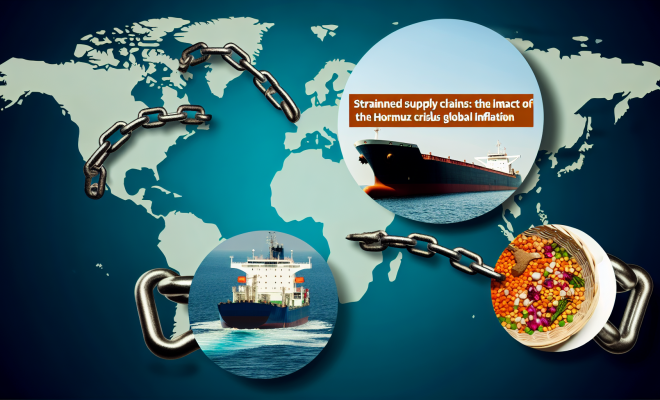
The impact of the Hormuz crisis extends beyond immediate fuel price hikes. With supply chains already strained by previous disruptions, the current geopolitical climate threatens to exacerbate existing vulnerabilities. Delays in shipping and increased transportation costs are anticipated, which could lead to shortages and further price increases in the food and beverage sector.

Effects on Food Prices and Availability

As supply chains become increasingly fragile, food price inflation may lead to more than just higher grocery bills for consumers. The potential for scarcity in essential items could trigger panic buying, further straining inventory levels and driving prices even higher. Industries that rely heavily on imported goods, including many food and beverage manufacturers, will likely face significant challenges.

Strategic Responses from Governments and Industries

In response to the crisis, governments and businesses are scrambling to devise strategies to mitigate the impact of rising prices and supply disruptions. Some countries may seek to diversify their supply sources, while others may implement temporary price controls to protect consumers. However, these measures may only offer short-term relief.

The Role of International Cooperation

International cooperation will be crucial in navigating the challenges posed by the Hormuz crisis. Collaborative efforts to ensure the stability of supply chains and the flow of goods can help to alleviate some of the pressures on the global economy. Additionally, financial support for affected industries may be necessary to prevent widespread job losses and company closures.

Looking Ahead: The Future of Global Food Security

The consequences of the Hormuz crisis are likely to be felt for the foreseeable future. As inflation rates rise and consumer confidence wanes, the food and beverage sector must adapt to a rapidly changing economic landscape. Ensuring food security will require innovative strategies and resilience from both producers and consumers.

In conclusion, the situation at the Strait of Hormuz is more than a regional conflict; it poses a significant threat to global economic stability and food security. With inflation on the rise and growth forecasts dimming, the world watches closely as the crisis unfolds, hoping for swift resolutions that can stabilize markets and restore confidence.


Previous Article

Tax Day 2026: File Before Midnight to ...

Next Article

Insurance Tech Trends 2026: Munich Re & ...

Matthew Lynch

Related articles More from author

  • Tech News

    Build Your Aerobic Base: 7 Steps to Boost Endurance

    July 2, 2026
    By Matthew Lynch
  • Tech News

    How to get Prime Video free trial

    July 17, 2026
    By Matthew Lynch
  • Tech News

    Dead SpaceX Rocket to Hit Moon in 2026: Why It Matters

    August 1, 2026
    By Matthew Lynch
  • Tech News

    Spring Break 2026: Geopolitical Strife & TSA Delays Disrupt Travel

    March 14, 2026
    By Matthew Lynch
  • Tech News

    서울데이터랩 인기 검색 종목: 주식 시장의 미스터리와 투자자들의 혼란

    July 20, 2026
    By Matthew Lynch
  • Tech News

    The Silent Threat: How Cyberattacks Could Poison Your Water Supply

    August 9, 2026
    By Matthew Lynch

Search

Login & Registration

  • Log in
  • Entries feed
  • Comments feed
  • WordPress.org

Newsletter

Signup for The Tech Edvocate Newsletter and have the latest in EdTech news and opinion delivered to your email address!

About Us

Since technology is not going anywhere and does more good than harm, adapting is the best course of action. That is where The Tech Edvocate comes in. We plan to cover the PreK-12 and Higher Education EdTech sectors and provide our readers with the latest news and opinion on the subject. From time to time, I will invite other voices to weigh in on important issues in EdTech. We hope to provide a well-rounded, multi-faceted look at the past, present, the future of EdTech in the US and internationally.

We started this journey back in June 2016, and we plan to continue it for many more years to come. I hope that you will join us in this discussion of the past, present and future of EdTech and lend your own insight to the issues that are discussed.

Newsletter

Signup for The Tech Edvocate Newsletter and have the latest in EdTech news and opinion delivered to your email address!

Contact Us

The Tech Edvocate
910 Goddin Street
Richmond, VA 23231
(601) 630-5238
[email protected]

Copyright © 2026 Matthew Lynch. All rights reserved.