The Walking Dead Game: Masterful Art Style & Visual Storytelling

The Walking Dead game series is renowned not only for its compelling narrative and choice-driven gameplay but also for its distinctive art style and visual storytelling. The game’s unique aesthetic plays a crucial role in creating its immersive post-apocalyptic world and enhancing its emotional impact.
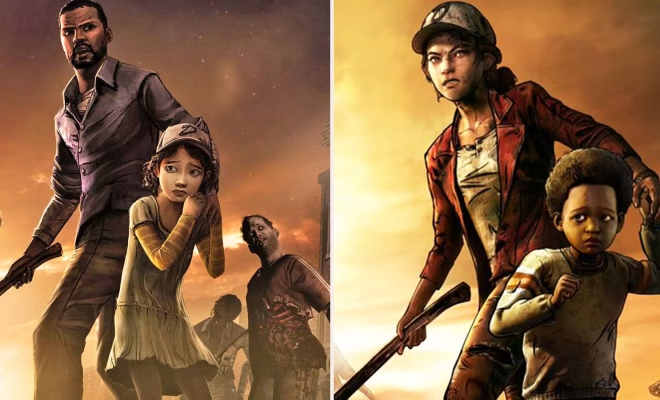
At first glance, The Walking Dead’s art style might seem at odds with its grim subject matter. The game employs a cel-shaded, comic book-inspired look that’s reminiscent of its source material, Robert Kirkman’s graphic novels. This style, characterized by bold outlines and somewhat exaggerated features, gives the game a unique visual identity that sets it apart from more photorealistic zombie games.
However, this stylized approach serves several important storytelling functions. Firstly, it allows for more expressive character animations, particularly in facial expressions. In a game where much of the drama comes from character interactions and dialogue, the ability to convey subtle emotions is crucial. The exaggerated features of the characters allow for clearer emotional cues, helping players read the mood of a scene or the intentions of a character.
The art style also helps to soften some of the game’s more graphic content. While The Walking Dead doesn’t shy away from depicting violence and gore, the stylized visuals prevent it from becoming gratuitous or overly realistic. This balance allows the game to maintain its mature themes and intense moments without alienating players who might be put off by more graphic representations.
Color plays a significant role in the game’s visual storytelling. The Walking Dead uses a muted color palette that reflects the bleak, post-apocalyptic world. However, it strategically employs brighter colors to draw attention to important elements or to set the mood of a scene. For example, the warm oranges and reds of a sunset might be used to create a false sense of peace before a tense encounter.
Environmental storytelling is another strong suit of The Walking Dead’s visual design. The detailed backgrounds are filled with small touches that hint at the world’s history and the struggles of its survivors. Abandoned cars, boarded-up windows, and makeshift barricades all tell stories without a single word of dialogue.
The game also uses visual cues to reinforce its choice-based gameplay. When players are presented with a decision, the camera often pans across the faces of affected characters, silently reminding players of the stakes involved. The aforementioned “X will remember that” notifications are also a visual reminder of the weight of player choices.
Another notable aspect of the game’s visual storytelling is its use of graphic novel-style panel transitions. These transitions not only pay homage to the game’s comic book roots but also serve to pace the story effectively, creating dramatic pauses or quickening the tempo as needed.
The Walking Dead’s approach to depicting zombies (or “walkers”) is also worth noting. While clearly threatening, the zombies are not the hyper-detailed, grotesque creatures seen in some other zombie media. Instead, they maintain the game’s overall art style, making them feel like a natural part of the world rather than external horror elements.
As the series progressed, the visual quality saw subtle improvements. Later seasons featured more detailed environments, smoother animations, and improved lighting effects. However, the core art style remained consistent, maintaining the series’ visual identity across all installments.
The game’s cutscenes deserve special mention. These sequences often blend gameplay and cinematic elements seamlessly, maintaining player engagement even during non-interactive moments. The dynamic camera work in these scenes, combined with the expressive character animations, creates moments of high drama that rival those of animated films.
In conclusion, the art style and visual storytelling of The Walking Dead game series are integral to its success. By adopting a stylized, comic book-inspired look, the game creates a unique aesthetic that enhances its narrative, supports its gameplay mechanics, and allows for powerful emotional storytelling. The thoughtful use of color, environmental details, and character animations all contribute to creating a visually rich world that pulls players into its post-apocalyptic drama.