The Art of SoulCalibur – Visual Design and Aesthetics

Introduction
SoulCalibur has long been celebrated not just for its gameplay, but for its stunning visual design and aesthetics. From its inception, the series has pushed the boundaries of graphical fidelity in fighting games, creating a visual spectacle that complements its intense weapon-based combat. This article explores the artistic journey of SoulCalibur, examining how its visual design has evolved and contributed to its enduring appeal.
The Early Days: Setting the Standard
When Soul Edge (the precursor to SoulCalibur) was released in 1995, it already showed signs of the visual flair that would come to define the series. The transition to SoulCalibur in 1998 marked a significant leap forward. The Dreamcast port, in particular, was hailed as a graphical showcase for the system, with detailed character models and dynamic backgrounds that were unprecedented for the time.
Character Design Philosophy
One of SoulCalibur’s greatest strengths lies in its character designs. Each fighter is visually distinct, with costumes that reflect their personality, fighting style, and cultural background. The designs strike a balance between historical accuracy and fantasy, creating a unique aesthetic that sets the series apart.
Take, for example, Mitsurugi, the samurai warrior. His design incorporates authentic samurai armor elements while adding fantastical touches that make him stand out. Similarly, Ivy’s provocative yet regal design has become iconic, perfectly encapsulating her complex character.
Weapon Design: Form Meets Function
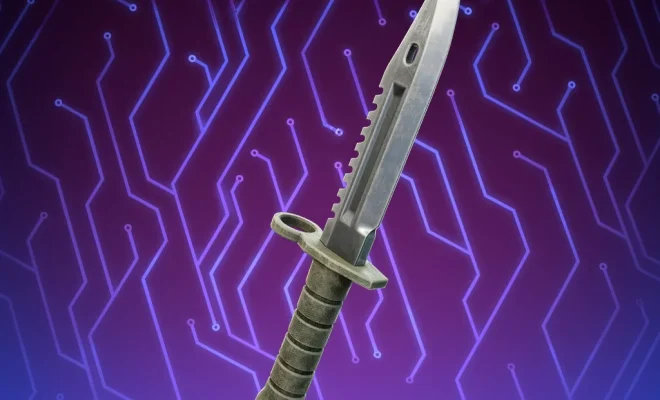
In a weapon-based fighting game, the design of the weapons themselves is crucial. SoulCalibur’s weapon designs are a perfect blend of form and function. Each weapon is visually striking while also conveying its combat properties. The ethereal glow of Soul Calibur and the menacing, organic look of Soul Edge are prime examples of how weapon design contributes to the game’s narrative and atmosphere.
Evolution of Character Models
With each new installment, SoulCalibur has pushed the boundaries of character modeling. From the relatively simple models of the early games to the highly detailed, almost photorealistic characters of the latest entries, the evolution is striking. Facial expressions, cloth physics, and subtle details like the way light plays off armor have all seen dramatic improvements.
Dynamic Stages: More Than Just Backdrops
SoulCalibur’s stages are not mere backgrounds but integral parts of the visual experience. From ancient temples to windswept cliffs, each stage is designed to enhance the atmosphere of the fights. Interactive elements, destructible objects, and dynamic lighting all contribute to making the stages feel alive.
The series has also used stages to tell stories. Changing environments that react to the fight’s progress or stages that evolve between games to show the passage of time add depth to the world of SoulCalibur.
Color Palette and Lighting
The use of color in SoulCalibur is deliberate and impactful. Bright, vibrant colors are often used to highlight important elements like special moves or critical hits. The overall color palette tends towards rich, saturated tones that give the game a slightly fantastical feel, setting it apart from more realistic fighting games.
Lighting plays a crucial role in creating atmosphere. From the warm glow of sunset stages to the cold blue of moonlit nights, lighting is used to set the mood and enhance the visual drama of the fights.
Special Effects and Particle Systems
As technology has advanced, so too has SoulCalibur’s use of special effects. Particle systems create dazzling displays for special moves, with trails of light following weapon swings and explosive bursts punctuating powerful hits. These effects not only look spectacular but also serve a gameplay purpose, providing visual feedback for players.
Cinematic Elements
SoulCalibur has always had a flair for the cinematic. This is evident in its use of dynamic camera angles during fights, especially for special moves and critical hits. The introduction of features like Critical Edge attacks in later games allowed for even more cinematic moments, with the camera zooming in and swooping around to showcase these powerful techniques.
User Interface Design
The UI in SoulCalibur is designed to be informative without being intrusive. Health bars, timer, and other necessary information are presented clearly, often with stylized elements that fit the game’s overall aesthetic. The menu systems, particularly in more recent entries, are sleek and easy to navigate, with artistic flourishes that reinforce the game’s visual themes.
Character Customization
Introduced in later entries, the character customization feature has become a beloved part of SoulCalibur’s visual identity. It allows players to create their own fighters or modify existing ones, choosing from a vast array of clothing, armor, and accessories. This feature not only adds replay value but also showcases the depth of the game’s visual assets.
Art Direction and Cultural Influences
SoulCalibur’s art direction draws from a wide range of cultural influences, reflecting its diverse cast of characters from around the world. From European medieval armor to East Asian martial arts attire, the game’s visual design team has done extensive research to create authentic-looking designs that still fit within the game’s fantastical world.
Technical Challenges and Solutions
Creating the visual spectacle of SoulCalibur has not been without its challenges. The development team has had to balance visual fidelity with performance, ensuring that the game runs smoothly even with all its graphical bells and whistles. This has led to innovations in areas like real-time rendering and optimization techniques.
Impact on the Fighting Game Genre
SoulCalibur’s visual design has had a significant impact on the fighting game genre as a whole. Its emphasis on detailed character models, dynamic stages, and flashy effects has raised the bar for what players expect from fighting game graphics.
The Future of SoulCalibur’s Visual Design
As we look to the future, the potential for SoulCalibur’s visual design is exciting. With advancements in gaming hardware and software, we can expect even more detailed character models, more dynamic and interactive stages, and perhaps even the integration of technologies like ray tracing for more realistic lighting and reflections.
Conclusion
The visual design and aesthetics of SoulCalibur are integral to its identity as a franchise. From its character designs to its stages, special effects, and UI, every visual element is crafted to create a cohesive and captivating experience. As the series continues to evolve, its commitment to visual excellence remains a key factor in its enduring appeal, ensuring that SoulCalibur will continue to be a feast for the eyes as well as a test of fighting skill.