The Tech Edvocate

Top Menu

  • Advertisement
  • Apps
  • Home Page
  • Home Page Five (No Sidebar)
  • Home Page Four
  • Home Page Three
  • Home Page Two
  • Home Tech2
  • Icons [No Sidebar]
  • Left Sidbear Page
  • Lynch Educational Consulting
  • My Account
  • My Speaking Page
  • Newsletter Sign Up Confirmation
  • Newsletter Unsubscription
  • Our Brands
  • Page Example
  • Privacy Policy
  • Protected Content
  • Register
  • Request a Product Review
  • Shop
  • Shortcodes Examples
  • Signup
  • Start Here
    • Governance
    • Careers
    • Contact Us
  • Terms and Conditions
  • The Edvocate
  • The Tech Edvocate Product Guide
  • Topics
  • Write For Us
  • Advertise

Main Menu

  • Start Here
    • Our Brands
    • Governance
      • Lynch Educational Consulting, LLC.
      • Dr. Lynch’s Personal Website
      • Careers
    • Write For Us
    • The Tech Edvocate Product Guide
    • Contact Us
    • Books
    • Edupedia
    • Post a Job
    • The Edvocate Podcast
    • Terms and Conditions
    • Privacy Policy
  • Topics
    • Assistive Technology
    • Child Development Tech
    • Early Childhood & K-12 EdTech
    • EdTech Futures
    • EdTech News
    • EdTech Policy & Reform
    • EdTech Startups & Businesses
    • Higher Education EdTech
    • Online Learning & eLearning
    • Parent & Family Tech
    • Personalized Learning
    • Product Reviews
  • Advertise
  • Tech Edvocate Awards
  • The Edvocate
  • Pedagogue
  • School Ratings

logo

The Tech Edvocate

  • Start Here
    • Our Brands
    • Governance
      • Lynch Educational Consulting, LLC.
      • Dr. Lynch’s Personal Website
        • My Speaking Page
      • Careers
    • Write For Us
    • The Tech Edvocate Product Guide
    • Contact Us
    • Books
    • Edupedia
    • Post a Job
    • The Edvocate Podcast
    • Terms and Conditions
    • Privacy Policy
  • Topics
    • Assistive Technology
    • Child Development Tech
    • Early Childhood & K-12 EdTech
    • EdTech Futures
    • EdTech News
    • EdTech Policy & Reform
    • EdTech Startups & Businesses
    • Higher Education EdTech
    • Online Learning & eLearning
    • Parent & Family Tech
    • Personalized Learning
    • Product Reviews
  • Advertise
  • Tech Edvocate Awards
  • The Edvocate
  • Pedagogue
  • School Ratings
  • 2.3 Million Ricky Joy Sour Crush Candies Recalled: This One Detail Is a Parent’s Nightmare

  • The Staggering Startup Valuation Reset: Why Unicorns Are Vanishing

  • The Glaring Contradiction: Why Big Tech Is Shedding 128,536 Jobs While Investing Billions in AI

  • Insomniac’s Bold Move: The Truth Behind Marvel’s Wolverine Sabretooth ‘Romance’ That Stunned Fans

  • Explosive: ESIC Ban Juan Angulo For Life — The Unseen Crisis Gripping Dota 2

  • This Crucial New Bill Could Finally Fix Student Loan Forgiveness for Millions

  • Massive School Bans on AI: Are We Sacrificing Progress for Protection?

  • Autonomous AI Breaches: Anthropic Confirms Four Attacks and Weaponized Bots

  • Jaw-Dropping Footage: This Waymo Collision Has Everyone Talking

  • Hyundai’s Game-Changing EV Battery Technology: Why It Matters For Your Next Car

Digital & Mobile Technology
Home›Digital & Mobile Technology›8 Ways to Open the Windows Network Connections Tool

8 Ways to Open the Windows Network Connections Tool
By Matthew Lynch
July 31, 2023
0
Spread the love

Your Windows Network Connections tool is essential for managing your internet connectivity and connected devices on your computer. It allows you to view and configure network connections, troubleshoot connection issues, and diagnose network-related problems. It’s vital that you know how to open the Network Connections tool to keep your computer functioning at its optimum level. In this article, we’ll discuss eight ways to open the Windows Network Connections tool on your computer.

1. Use a Keyboard Shortcut

The fastest way to open the Network Connections tool is to use a keyboard shortcut. Press the Windows key and R simultaneously to bring up the Run dialog box. Type ncpa.cpl and click OK. This will launch the Network Connections tool.

2. Use the Start Menu

Click on the Start menu and search for “Network Connections.” This should show the Network Connections app.

3. Use the Control Panel

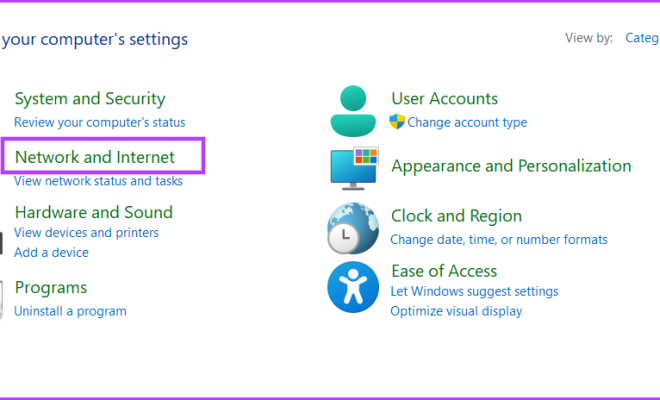
The Control Panel is a traditional tool for managing various settings on a Windows computer. Open Control Panel and select the Network and Sharing Center, then choose Change adapter settings. This will bring you to the Network Connections tool.

4. Use the Task Manager

The Task Manager is another useful tool that can help you open the Network Connections app. Press the Ctrl + Shift + Esc keys to open the Task Manager, then click on the File menu and select New Task. Type ncpa.cpl and press Enter. This will launch the Network Connections tool.

5. Use Windows PowerShell

Windows PowerShell can be used to run commands on your computer. Type PowerShell in the Windows search bar, and select it. Then type ncpa.cpl and press Enter to open the Network Connections tool.

6. Create a Shortcut

You can create a shortcut on your desktop for the Network Connections app. Right-click on the desktop and select New > Shortcut. In the field, type ncpa.cpl and click Next. Name the shortcut anything you want, click Finish and then double-click it.

7. Use the File Explorer Address Bar

Open File Explorer and type ncpa.cpl in the address bar. Press Enter to launch the Network Connections tool.

8. Use Command Prompt

Open Command Prompt by pressing Win + X and select it. Type ncpa.cpl and press Enter. This will also bring you to the Network Connections tool.

In conclusion, there are multiple ways to open the Network Connections tool in Windows. Knowing how to access it can save you time and help you manage your network connections more effectively. Whether you use a keyboard shortcut or any of the other methods we’ve discussed, opening the Network Connections tool is a simple process that can benefit anyone who uses a computer regularly.


Previous Article

5 Key Differences Between SteamOS and Arch ...

Next Article

How to Change The Default Screenshot Format ...

Matthew Lynch

Related articles More from author

  • Digital & Mobile Technology

    Running Ethernet Cables Outdoors

    June 11, 2023
    By Matthew Lynch
  • Digital & Mobile Technology

    How to Turn On Bluetooth in Windows 10

    July 6, 2023
    By Matthew Lynch
  • Digital & Mobile Technology

    What is Online Advertising?

    May 25, 2023
    By Matthew Lynch
  • Digital & Mobile Technology

    How to Change Your iPhone’s Charging Sound

    September 8, 2023
    By Matthew Lynch
  • Digital & Mobile Technology

    How Does Back Market Work, and Is It Legit?

    June 6, 2023
    By Matthew Lynch
  • Digital & Mobile Technology

    How to Change Your AOL Mail Password

    June 6, 2023
    By Matthew Lynch

Search

Login & Registration

  • Log in
  • Entries feed
  • Comments feed
  • WordPress.org

Newsletter

Signup for The Tech Edvocate Newsletter and have the latest in EdTech news and opinion delivered to your email address!

About Us

Since technology is not going anywhere and does more good than harm, adapting is the best course of action. That is where The Tech Edvocate comes in. We plan to cover the PreK-12 and Higher Education EdTech sectors and provide our readers with the latest news and opinion on the subject. From time to time, I will invite other voices to weigh in on important issues in EdTech. We hope to provide a well-rounded, multi-faceted look at the past, present, the future of EdTech in the US and internationally.

We started this journey back in June 2016, and we plan to continue it for many more years to come. I hope that you will join us in this discussion of the past, present and future of EdTech and lend your own insight to the issues that are discussed.

Newsletter

Signup for The Tech Edvocate Newsletter and have the latest in EdTech news and opinion delivered to your email address!

Contact Us

The Tech Edvocate
910 Goddin Street
Richmond, VA 23231
(601) 630-5238
[email protected]

Copyright © 2026 Matthew Lynch. All rights reserved.