World Health Day 2026: Boost Mental Health Accessibility
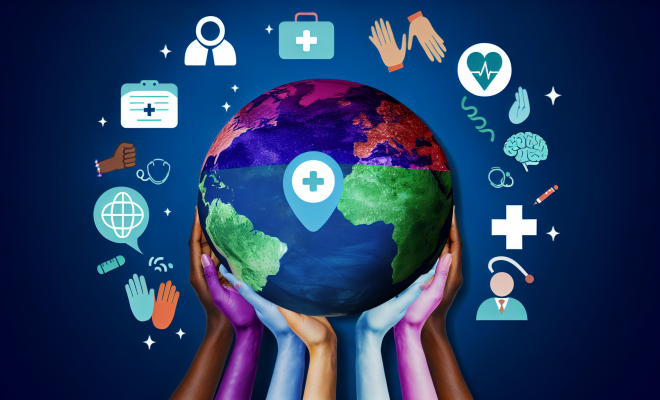
World Health Day, celebrated every year on April 7, serves as a vital reminder of the importance of global health initiatives and the need for concerted efforts to address pressing health issues. In 2026, the theme will focus on mental health accessibility, underscoring the necessity of universal access to mental health care and the promotion of mental resilience.
The Significance of World Health Day
World Health Day was established in 1948, marking the founding of the World Health Organization (WHO). Since its inception, this annual event has served to raise awareness about various health-related issues, encouraging governments and organizations to take action in improving health standards across the globe.
The significance of World Health Day extends beyond mere acknowledgment; it is a call to action that encourages individuals, communities, and nations to prioritize health and well-being. Each year, the WHO selects a specific theme to highlight a particular health concern, with 2026 centering on the accessibility of mental health services.
The 2026 Theme: Accessibility to Mental Health Care
The choice of mental health accessibility as the theme for 2026 reflects the growing recognition of mental health as a critical component of overall health. Mental health disorders affect millions worldwide, yet access to appropriate care remains a significant challenge.
According to the WHO, approximately 1 in 8 people globally suffer from mental disorders, and this figure is expected to rise. Despite the prevalence of these conditions, many individuals do not receive the help they need due to various barriers, including stigma, lack of resources, and insufficient mental health services.
- Stigma: Many individuals with mental health disorders face societal stigma, which can prevent them from seeking help.
- Lack of Resources: In many regions, particularly low-income and rural areas, mental health resources are scarce or nonexistent.
- Insufficient Services: Even where services are available, they may be underfunded or not adequately staffed, leading to long wait times and inadequate care.
The 2026 theme aims to bring these issues to the forefront, encouraging dialogue about mental health accessibility and pushing for systemic changes that will allow everyone to access the care they need.
Promoting Collaboration for Healthier Lifestyles
World Health Day is not just about raising awareness; it is also about fostering collaboration among various stakeholders to encourage healthier lifestyles. The 2026 event aims to unite governments, health organizations, and community groups to work together in addressing mental health disparities.
Through partnership and collaboration, various initiatives can be launched to promote mental well-being. These may include:
- Educational Campaigns: Informing the public about mental health issues and resources available can demystify these conditions and reduce stigma.
- Policy Advocacy: Advocating for policies that prioritize mental health funding and accessibility can lead to systemic changes that improve care.
- Community Programs: Local initiatives that provide mental health support and resources can create safe spaces for individuals to seek help.
By promoting collaboration, World Health Day aims to create a more inclusive approach to health that considers the unique challenges faced by those suffering from mental health disorders.
Improving Mental Resilience
In addition to accessibility, World Health Day 2026 will also emphasize the importance of mental resilience. Mental resilience refers to an individual’s ability to cope with stress, adversity, and life’s challenges. It is crucial for overall mental health and well-being.
Improving mental resilience can take many forms, including:
- Education: Equipping individuals with knowledge and skills to manage stress and emotional challenges is essential.
- Support Systems: Building strong support networks, whether through family, friends, or community organizations, can provide individuals with the necessary resources to navigate difficulties.
- Self-Care Practices: Encouraging self-care strategies, such as mindfulness, exercise, and healthy eating, can significantly enhance mental resilience.
By focusing on mental resilience, World Health Day will encourage individuals to take proactive steps to safeguard their mental health, ultimately leading to healthier communities.
Conclusion: A Global Call to Action
The theme of mental health accessibility for World Health Day 2026 represents a pivotal moment in global health discourse. It challenges us to confront the disparities that exist within mental health care and to advocate for systemic change. By promoting awareness, collaboration, and resilience, this event will not only honor the founding of the WHO but also serve as a catalyst for transformative action in mental health care worldwide.
As we look forward to World Health Day 2026, it is crucial for individuals, organizations, and governments to unite in their efforts to make mental health care accessible to all. Together, we can create a future where everyone has the support they need to maintain their mental well-being.