Pediatric Nutritionist Role: A Game-Changer for Child Health
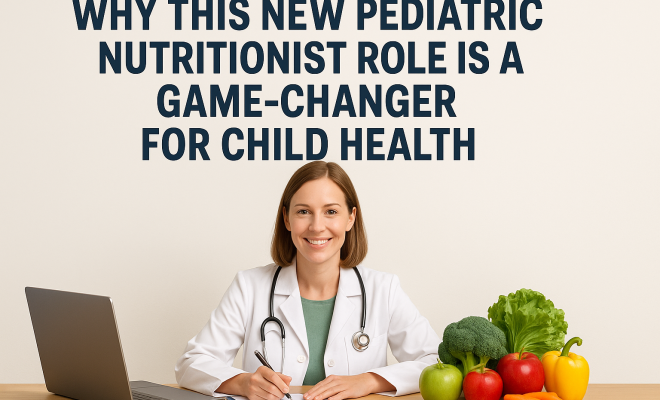
The importance of pediatric nutritionists has never been more pronounced than it is today. With rising concerns around childhood obesity, picky eating, food allergies, and the overall health of children, the demand for professionals specializing in child nutrition is surging. A newly posted position for a Registered Dietitian Nutritionist focusing on pediatric outpatient nutrition is a clear signal that healthcare is prioritizing child nutrition, food security, and evidence-based dietary care.
The Growing Demand for Pediatric Nutrition Experts
Healthcare hiring trends indicate a robust interest in roles that enhance the nutrition and well-being of children. This new position not only addresses individual nutritional needs but also encompasses broader societal issues that directly impact child health. As pediatric nutritionists, these professionals will play a critical role in consulting, educating, and advocating for their patients and special populations on food and health issues.
Key Responsibilities of Pediatric Nutritionists
- Consultation: Working directly with children and their families to assess dietary habits, identify nutritional needs, and create tailored meal plans.
- Education: Providing valuable nutritional education to families, empowering them to make informed dietary choices.
- Advocacy: Acting as a voice for children’s nutritional needs within the healthcare system and promoting policies that support food security and healthy eating.
These responsibilities are crucial, especially considering the alarming statistics surrounding child nutrition in America. According to the Centers for Disease Control and Prevention (CDC), childhood obesity affects approximately 14 million children and adolescents in the United States. Given this context, the role of a pediatric nutritionist becomes even more vital.
Benefits of the Position
One of the standout features of this job posting is the inclusion of a $5,000 joining bonus, which underscores the demand for qualified pediatric nutritionists. This financial incentive is particularly appealing to both new graduates entering the workforce and experienced dietitians looking for new opportunities in a high-demand field.
The role is also notable for its flexibility, as it welcomes applications from individuals at various stages in their careers. This open consideration reflects the growing recognition that expertise in pediatric nutrition is essential for improving child health outcomes.
Addressing Contemporary Issues in Child Nutrition
In addition to traditional dietary concerns, pediatric nutritionists today must navigate a myriad of contemporary issues affecting children’s health:
- Childhood Obesity: With rates continuing to rise, nutritionists are tasked with developing strategies to combat this epidemic through education and lifestyle changes.
- Picky Eating: Many children exhibit selective eating habits, which can lead to nutritional deficiencies. Pediatric nutritionists can provide parents with strategies to encourage healthier eating.
- Food Allergies: The rise in food allergies among children presents a unique challenge that requires specialized knowledge and dietary planning.
As a pediatric nutritionist, the ability to address these issues not only benefits individual families but also contributes to the overall health of the community. The focus on evidence-based strategies ensures that interventions are grounded in the latest scientific research, leading to better health outcomes.
The Role of Nutrition in Child Development
Nutrition is a foundational element of child development, influencing everything from cognitive function to physical health. Research indicates that well-nourished children are more likely to perform better academically and are less prone to behavioral issues. As such, pediatric nutritionists are in a unique position to make a lasting impact on the lives of children, guiding them toward healthier futures.
The rising interest in medically guided diet changes also aligns with public health initiatives that promote improved nutritional standards for children. As more families seek guidance on how to adapt their diets to meet health challenges, the role of the pediatric nutritionist becomes increasingly important.
Conclusion: A Bright Future for Pediatric Nutrition
The demand for pediatric nutritionists is not just a trend; it is a response to a pressing need in our society. With roles like the Registered Dietitian Nutritionist in pediatric outpatient nutrition becoming available, professionals in the field are presented with exciting opportunities to make a genuine difference in children’s health. As healthcare continues to evolve, the emphasis on nutrition as a critical component of health cannot be overstated. The future of our children depends on the dedicated work of pediatric nutritionists who ensure that every child has access to the nutritious foods they need to thrive.