Immigrant Children’s Health Coverage: A 2024 Guide for Families
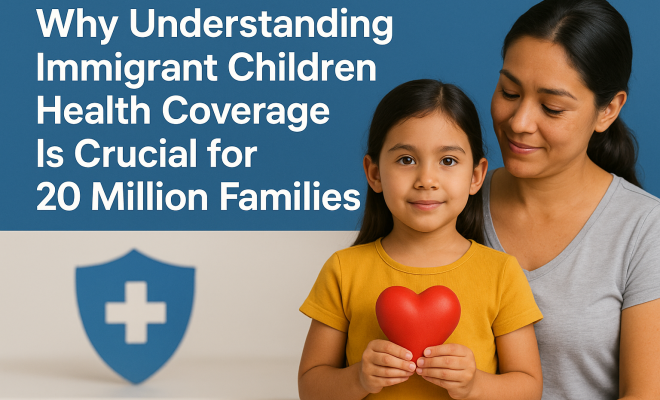
In the United States, the landscape of childhood is increasingly shaped by the experiences of families with immigrant parents. As of 2024, nearly 20 million children in the U.S.—or roughly one in four—have an immigrant parent. This statistic, while startling to some, highlights a burgeoning demographic that is both vital and vulnerable. With the majority of these children being U.S. citizens, it is essential to understand how immigrant children health coverage plays a pivotal role in their overall well-being.
The Reality of Immigrant Families
Approximately 26% of children in the U.S. live in immigrant families, a fact that underscores the changing face of American society. Many of these children, despite being citizens, face unique challenges when it comes to accessing health care and securing adequate health coverage. This intersection of citizenship and family background introduces a complex web of eligibility and benefits that can be difficult for parents to navigate.
Why Health Coverage Matters
The health of children is fundamentally linked to their developmental outcomes. For families in immigrant communities, health coverage is not just a matter of insurance; it’s a lifeline that can determine access to essential services such as preventive care, mental health support, and emergency treatment. When immigrant children have adequate health coverage, it helps promote:
- Family Stability: Consistent access to health care resources fosters a sense of security within the family unit.
- Improved Educational Outcomes: Healthy children are better equipped to learn and succeed in school.
- Community Well-being: Healthy children contribute positively to the fabric of their communities.
Barriers to Coverage
Despite the critical importance of health coverage, immigrant children often face systemic barriers that hinder their access. These barriers can include:
- Language Barriers: Many immigrant families may not speak English fluently, making it difficult to understand health care options.
- Fear of Public Charge: Changes in immigration policies can deter families from seeking necessary care due to fears of jeopardizing their immigration status.
- Complex Eligibility Requirements: The eligibility criteria for various health programs can be confusing and may vary by state, leading to gaps in coverage.
Understanding Eligibility for Immigrant Children Health Coverage
The Affordable Care Act (ACA) expanded health coverage options significantly, yet many immigrant families are still unaware of their eligibility for programs like Medicaid and the Children’s Health Insurance Program (CHIP). Here are key points parents should consider:
- U.S. Citizens: Children who are U.S. citizens, regardless of their parents’ immigration status, are typically eligible for Medicaid and CHIP.
- Lawful Permanent Residents: Children with lawful permanent resident status may also qualify for health coverage, although they may face a waiting period depending on when they arrived in the U.S.
- Undocumented Children: Many states provide access to health coverage for undocumented children regardless of federal policies, emphasizing the importance of state-level legislation.
Advocating for Change
As the conversation around immigrant children health coverage continues to evolve, advocacy plays a critical role. Parents and community members can take steps to ensure that their voices are heard:
- Educate Yourself: Understanding the nuances of health coverage options can empower families to advocate for their children’s health.
- Engage with Local Organizations: Many community-based organizations focus on supporting immigrant families. They can provide resources and guidance on accessing health care.
- Advocate for Inclusive Policies: Engaging with local lawmakers to promote policies that expand health coverage can help dismantle barriers for immigrant families.
Conclusion
The reality is that nearly 20 million children in the U.S. are impacted by the complexities of having immigrant parents. Understanding and advocating for immigrant children health coverage is not just a matter of personal interest; it’s a societal obligation. By raising awareness and working towards solutions, communities can ensure that every child has the opportunity to thrive, regardless of their family background. As parents and advocates, our efforts can help pave the way for a healthier future for all children in America.