7 Strategies to Address Rising Pediatric Mental Health ED Visits
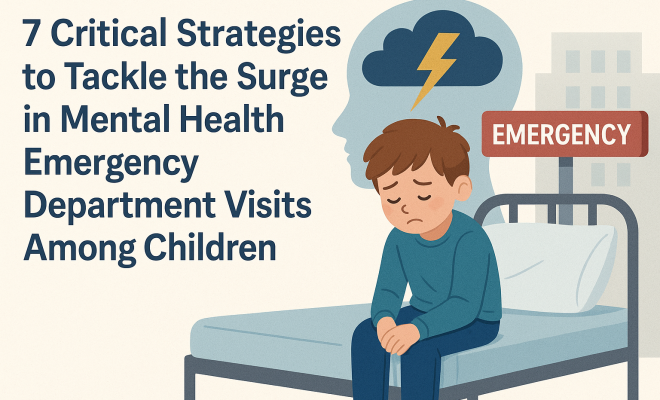
The recent surge in mental health emergency department visits among children is a growing concern for parents, educators, and healthcare professionals alike. A recent article published in Pediatrics highlights the alarming rise in pediatric emergency visits due to behavioral and mental health issues. This trend not only reflects the increasing stressors faced by today’s youth but also calls for urgent action to alleviate the pressure on our healthcare system.
The Growing Crisis of Pediatric Mental Health
Over the past decade, there has been a staggering increase in the number of young people seeking emergency care for mental health-related issues. According to the article, the data reveals that pediatric emergency department visits for behavioral concerns have escalated alarmingly. This trend raises critical questions about the well-being of our children and the efficacy of current mental health resources available to them.
Understanding the Factors Behind Increased Visits
Several factors contribute to the rise in mental health emergency department visits. Among them are heightened levels of anxiety and depression, which have been exacerbated by the COVID-19 pandemic. Children are facing unprecedented challenges, including social isolation, academic pressures, and family stressors. These factors have led to an increase in crises that require immediate intervention, resulting in more visits to emergency rooms.
The Impact of Emergency Visits on Healthcare Systems
The growing rate of emergency department visits poses significant challenges to healthcare systems. Many emergency departments are ill-equipped to handle the immediate mental health needs of children, leading to longer wait times and inadequate care. This not only affects the quality of care received by these young patients but also strains resources and personnel who are already overextended.
Population-Level Approaches to Reduce Emergency Visits
The article suggests that to effectively mitigate the surge in mental health emergency department visits, a population-level approach is essential. Here are seven critical strategies that can be implemented:
- Enhancing Community Mental Health Services: Expanding access to community-based mental health services can provide children and families with the support they need before crises escalate. This includes promoting local counseling services, mental health education, and outreach programs.
- Strengthening School-Based Mental Health Initiatives: Schools play a pivotal role in identifying and addressing mental health issues among students. Implementing comprehensive mental health programs in schools can help educators recognize early signs of distress and connect students with appropriate resources.
- Increasing Public Awareness: Raising awareness about mental health issues and available resources can empower parents and guardians to seek help before emergency situations arise. Public campaigns can educate families on coping strategies and when to seek professional help.
- Training Healthcare Professionals: Equipping healthcare workers with the skills to identify and manage mental health crises can improve the quality of care delivered in emergency departments. Ongoing training and support can prepare staff to handle these situations more effectively.
- Implementing Telehealth Solutions: Telehealth has emerged as a vital tool in providing accessible mental health care. By utilizing telehealth services, families can receive timely support without the need for an emergency visit, alleviating pressure on emergency rooms.
- Promoting Family Support Programs: Family-focused interventions can improve the overall well-being of children. Programs that provide counseling and support to families can address the root causes of mental health crises and foster healthier home environments.
- Advocating for Policy Changes: Policymakers must be urged to prioritize mental health funding and programs that support child mental health initiatives. This includes increasing resources for community services, school programs, and mental health education.
Collaborative Efforts are Key
Addressing the challenge of rising mental health emergency department visits will require collaborative efforts from various sectors, including healthcare, education, and community organizations. By working together, stakeholders can develop comprehensive strategies that not only reduce emergency visits but also foster a supportive environment for children’s mental health.
Conclusion: A Call to Action
The increasing demand for pediatric emergency care for mental health issues underscores a pressing need for effective solutions. As parents, educators, and healthcare providers, it is our collective responsibility to advocate for better resources and support systems for our children. By implementing population-level strategies and fostering collaboration across sectors, we can work towards reducing the strain on emergency departments and promoting healthier mental well-being for future generations.