Child-to-Parent Violence: When Parenting Fears Become Reality
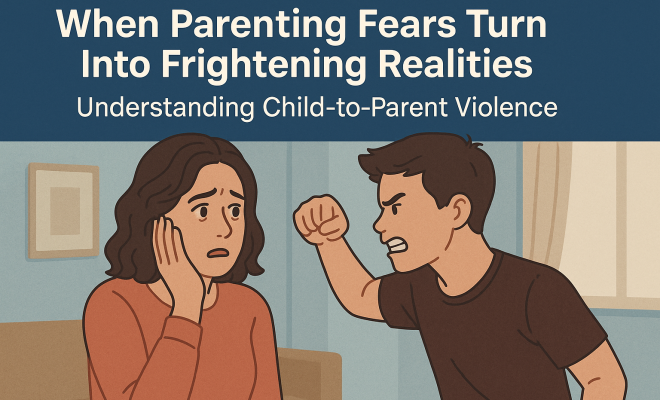
In the realm of family dynamics, parenting fears often revolve around concerns such as providing for children, ensuring their safety, and nurturing them into responsible adults. However, a less commonly discussed yet alarming issue is beginning to surface: child-to-parent violence. This unsettling reality is forcing many parents to confront a situation they never thought they would face—the fear of their own children.
The Rising Tide of Child-to-Parent Violence
Research has increasingly highlighted the prevalence of violence in the home, shifting the narrative that abuse is solely one-directional—from parent to child. Instead, many families are affected by a disturbing trend where children, particularly adolescents, exhibit aggressive behaviors towards their parents. This phenomenon is not only causing emotional turmoil within households but is also leading to a significant number of parents feeling unsafe in their own homes.
Understanding the Dynamics
So, why are parenting fears morphing into genuine apprehension? The reasons can be multifaceted:
- Stress and Mental Health: Many children today grapple with the pressures of academic performance, social media, and peer relationships. These stressors can manifest as aggression towards those closest to them, often their parents.
- Lack of Coping Mechanisms: Some children simply lack the necessary tools to manage their emotions. When frustration and anger build up, they may resort to violence as an outlet.
- Substance Abuse: In some cases, substance use can exacerbate behavioral issues, leading to volatile situations where parents feel threatened.
As these factors combine, a troubling environment can emerge, leaving parents questioning their ability to connect with their children and maintain a peaceful household.
The Silent Struggle
One of the most distressing aspects of child-to-parent violence is the silence that often accompanies it. Many parents suffer in isolation, fearing judgment and feeling ashamed to discuss their experiences. This secrecy can create an emotional chasm not only between parents and children but also within the broader family unit.
According to statistics, the number of parents reporting feeling afraid of their children is on the rise. This alarming trend indicates that the crisis may be more common than society realizes. Many parents are reluctant to seek help, worried that doing so could label their children as “bad.” However, acknowledging the issue is the first step towards finding a solution.
Breaking the Cycle of Silence
Confronting parenting fears related to child-to-parent violence requires courage. Here are several strategies that may help parents navigate this challenging landscape:
- Open Communication: Parents should strive to create an atmosphere where open dialogue about feelings and behaviors is encouraged. This can help alleviate tensions and foster a greater understanding.
- Seek Professional Help: Engaging with a therapist who specializes in family dynamics can be incredibly beneficial. They can provide tools and strategies tailored to the specific situation.
- Build a Support Network: Connecting with other parents facing similar challenges can offer valuable insights and emotional support. Online forums and local parenting groups can provide a safe space for sharing experiences.
- Establish Firm Boundaries: It is essential for parents to set clear expectations of acceptable behavior. Children need to understand the consequences of their actions, including potential disciplinary measures.
By taking these steps, parents can work towards transforming their fears into proactive measures that promote healing within the family.
The Role of Society
Addressing the issue of child-to-parent violence requires a societal shift in how we perceive family dynamics. It is crucial to dismantle the stigma surrounding this topic. By recognizing that parenting fears can manifest in complex and sometimes frightening ways, we can create a more inclusive dialogue about family struggles.
Schools, community centers, and local governments can play a vital role in this transformative process by offering resources and support programs aimed at educating families about healthy communication and conflict resolution strategies.
Conclusion
While the rise of child-to-parent violence is a troubling phenomenon, it also presents an opportunity for families to address underlying issues that contribute to this behavior. By fostering open communication, seeking professional help, and building a supportive community, parents can work towards alleviating their parenting fears and creating a safer and more nurturing environment for their children.
As we look toward the future, it is imperative that we continue to challenge the stigma surrounding this issue, encouraging families to seek help and support instead of suffering in silence. Only then can we hope to create homes filled with love, respect, and understanding.